
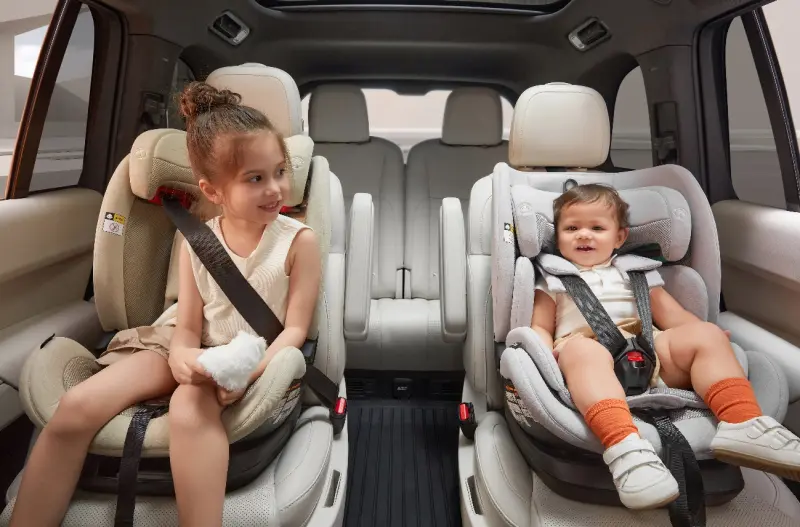
A normal school run can turn risky faster than a parent can reach across the back seat. Good child car safety tips are not about fear; they are about building small habits that protect kids on the days when traffic, weather, and tired minds all collide. In the U.S., parents juggle daycare drop-offs, weekend sports, grocery stops, and long interstate drives, so car protection has to work in real life, not only in a perfect manual. For families building stronger everyday safety routines, practical parent resources like family safety and travel guidance can help turn scattered advice into simple action.
The plain truth is this: the right restraint only works when it matches your child’s age, size, seat limits, and vehicle setup. CDC guidance says motor vehicle injuries remain a leading cause of death for children in the United States, while proper use of car seats, booster seats, and seat belts can reduce serious harm. That makes this less about buying the “best” seat and more about using the right seat correctly every single ride.
Build Safety Around the Child, Not the Calendar
Parents often use birthdays as the signal to change seats, but kids do not grow on a neat schedule. One 6-year-old may still need a harness, while another may be close to a booster. The smarter move is to treat height, weight, maturity, and seat limits as the real guide. That approach keeps safety grounded in your child’s body instead of a date on the calendar.
Why age alone can mislead careful parents
A child can look “big enough” long before their bones, posture, and attention span are ready for the next stage. This is where many good parents get pulled off course. A preschooler who complains about the harness may still need it because crash forces do not care about opinions from the back seat.
NHTSA advises keeping children rear-facing as long as possible, up to the top height or weight limit allowed by the specific seat. Once they outgrow that stage, they should move to a forward-facing car seat with a harness and tether. That one detail matters because the rear-facing car seat supports the head, neck, and spine in a way a forward-facing setup cannot match for smaller children.
The counterintuitive part is that “moving up” is not a reward. It is often a reduction in protection. In car seat safety, the safest stage is usually the one your child has not outgrown yet.
How to read seat limits without second-guessing yourself
Every car seat has a label and manual that lists height and weight limits. Those numbers matter more than advice from a neighbor, an old Facebook post, or what worked for your first child five years ago. A seat that fits one child perfectly may be wrong for a sibling with a longer torso or different weight pattern.
Parents should also check how the child sits in the seat, not only what the scale says. Harness straps should sit at the correct slot, the chest clip should rest at armpit level, and bulky coats should not sit under the harness. A thick winter jacket can make the straps feel tight while leaving dangerous space during a crash.
A family in Michigan may handle freezing school mornings by warming the car first, buckling the child in a thin fleece, then placing the coat over the harness like a blanket. That feels fussy the first week. After that, it becomes normal.
Install the Seat Like Your Child’s Life Depends on the Details
The best car seat in the store can fail its purpose if it is loose, angled wrong, or paired with the wrong belt path. Installation is where parents often feel confident and still make mistakes. That is not because they are careless. It is because car seats and vehicle seats are a strange little puzzle, and every piece has to fit.
What a tight installation should feel like
A properly installed seat should not slide more than one inch side-to-side or front-to-back when tested at the belt path. CDC safety resources repeat this one-inch rule and remind parents to follow both the car seat manual and the vehicle owner’s manual. That test should happen at the belt path, not at the top of the seat, because some movement near the headrest area can be normal.
Many parents make the seat tighter by pushing where it feels natural, usually near the front edge. Better pressure often comes from placing a knee or firm hand where the child’s bottom would sit while tightening the belt or LATCH strap. It is not graceful. It works.
A certified child passenger safety technician can also catch small problems fast. Fire stations, hospitals, police departments, and local safety events in many U.S. communities offer seat checks, though availability varies by city. The best parents are not the ones who never need help. They are the ones who get the setup checked before trouble tests it.
Why the top tether deserves more respect
The top tether is easy to ignore because it feels like an extra strap. For forward-facing seats, it is not extra. It helps control how far the child’s head moves forward in a crash, which can reduce the chance of serious head and neck injury.
Many SUVs, minivans, and sedans hide tether anchors behind the seat, on the rear shelf, on the floor, or on the seatback. A rushed parent may clip the tether to a cargo hook by mistake, which is not the same thing. The vehicle manual tells you the correct anchor location, and that page is worth finding before the next drive.
Here is the quiet lesson: child car safety tips often come down to boring details no one brags about. A correctly routed belt, a locked retractor, and a tight tether do not look dramatic. They simply do their job when a normal day turns sharp.
Treat Booster Seats as Protection, Not a Baby Stage
The booster phase causes more family arguments than many parents expect. Kids see older classmates using seat belts and want out. Parents get tired of the debate. Yet this stage is where discipline matters because adult seat belts are designed for adult bodies, not small frames.
How booster seat rules protect growing kids
A booster seat lifts the child so the vehicle belt crosses the strong parts of the body. The lap belt should sit low across the upper thighs, not the stomach. The shoulder belt should cross the middle of the shoulder and chest, not the neck or face.
CDC notes that booster seat use reduces the risk for serious injury by 45% compared with seat belt use alone. That number should end the “I’m too old” debate in most households. Comfort is negotiable. Organ safety is not.
Booster seat rules also depend on how a child behaves. A child who leans forward, tucks the shoulder belt behind the back, or slouches during the ride may not be ready for a seat belt alone. Maturity is part of the fit test, even when the child meets a size mark.
When the seat belt finally fits without help
Most children are ready for the adult seat belt only when they pass a full fit check. Their back should rest against the vehicle seat, knees should bend at the seat edge, feet should stay down, and the belt should sit correctly across the thighs and chest. They also need to stay that way for the entire ride.
This is where parents can use a simple parked-car test before making the switch. Have your child sit in the back seat without a booster and watch their natural posture. If they slide forward to bend their knees, the belt fit has already failed.
The unexpected part is that short trips expose poor fit faster than road trips. On a five-minute drive to school, kids often wiggle, twist, and reach for backpacks. If the belt does not stay positioned during that small chaos, it will not magically behave on the highway.
Make the Back Seat a Safety System, Not a Storage Zone
Once the car seat is installed and the child is buckled, parents still have work to do. Loose objects, distracted routines, unlocked doors, and front-seat exceptions can undo good choices. A safe back seat is not empty by accident. It is managed on purpose.
Why the back seat should stay the default
NHTSA reminds drivers that the back seat is the safest place for children under 13. That rule can frustrate older kids who want the front seat, especially when friends are allowed up front in other families’ cars. Still, the front seat carries airbag and crash-position risks that do not disappear because a child feels grown.
Parents should also avoid placing a rear-facing car seat in front of an active passenger airbag. CDC guidance warns against that setup and directs caregivers to follow the car seat and vehicle manuals. This is one of those rules that deserves zero negotiation.
A common real-world issue happens in pickup trucks with limited rear seating. Some families use these vehicles for farm work, job sites, or weekend hauling. In that case, the answer is not guesswork. The parent needs the vehicle manual, the car seat manual, and, when possible, a technician’s help to confirm what the vehicle can safely support.
How everyday clutter becomes crash danger
A tablet, metal water bottle, toy truck, or hard lunch box can become a projectile during sudden braking. Parents do not need to ban every comfort item, but they should think about weight, edges, and where objects sit. Soft toys and fabric books are safer choices for younger kids.
Safe family driving also means building routines that survive stress. Buckle first, then start the car. Check the chest clip before pulling away. Lock rear doors when toddlers learn handles. Keep backpacks on the floor, not beside a baby seat. These habits look small until one prevents a mistake.
Hot-car risk belongs in this conversation too. Place a needed item, such as a phone, work badge, or left shoe, in the back seat when driving with a young child. It sounds odd. That is why it works. A strange routine can break an automatic pattern on a distracted morning.
Frequently Asked Questions
What are the most useful child car safety tips for new parents?
Start with the right rear-facing seat, install it tightly, and use the harness correctly every ride. Keep the chest clip at armpit level, remove bulky coats, and check the seat manual before changing stages. A professional seat check can catch mistakes early.
How long should my child use a rear-facing car seat?
Keep your child rear-facing until they reach the top height or weight limit allowed by the car seat maker. Many kids can stay rear-facing beyond age 2. Do not rush the switch because rear-facing protection supports the head, neck, and spine better.
When can a child move from a harness to a booster seat?
Move to a booster only after your child outgrows the forward-facing harness limits and can sit correctly for the whole ride. The booster should position the lap belt low on the thighs and the shoulder belt across the chest.
How do I know if my child is ready for a seat belt alone?
Your child should sit with their back against the seat, knees bent at the edge, feet down, and the belt crossing the thighs and shoulder correctly. If they slouch, lean, or move the belt behind them, they still need a booster.
Is LATCH safer than using the seat belt for installation?
LATCH and seat belt installation can both be safe when used correctly. The stronger choice is the one that gives a tight install in your vehicle and follows both manuals. Never use both systems together unless the car seat maker clearly allows it.
Should my child wear a winter coat under the car seat harness?
Bulky coats should not go under the harness because they can create hidden slack. Use thin layers, buckle the harness snugly, then place the coat or blanket over the child. This keeps warmth without weakening the harness fit.
What should I do with a car seat after a crash?
Follow the car seat maker’s instructions and NHTSA guidance. Seats should be replaced after moderate or severe crashes, while some minor crashes may not require replacement. When in doubt, contact the manufacturer and your insurance company before using the seat again.
Why should children under 13 ride in the back seat?
The back seat keeps children farther from front airbags and common crash forces near the dashboard. Even bigger kids are safer there until they reach the right age and size. Treat the back seat as the normal place, not a punishment.