
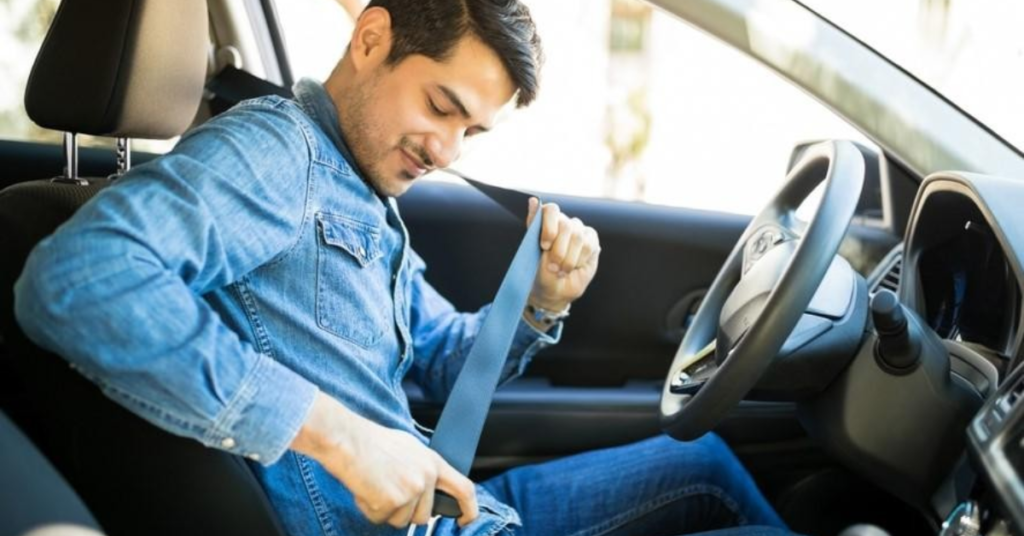
A crash does not wait for a long road trip, a stormy night, or a careless driver in the next lane. It can happen three blocks from home, in a school pickup line, or during a quick coffee run before work. That is why seatbelt safety rules belong in everyday life, not only in driver’s education classes or highway safety campaigns. A belt is small, familiar, and easy to ignore, which is exactly why people get lazy with it. The best protection in a car often comes from the habit you build before the engine settles into idle. For families, commuters, rideshare passengers, and teens learning the road, small routines around buckling up can decide whether a bad moment stays survivable. Trusted travel and road-awareness resources such as safe everyday driving guidance help keep that reminder close to real life instead of buried in a manual. Proper seatbelt use is not about fear. It is about respecting speed, glass, metal, and the simple fact that your body keeps moving when the vehicle stops.
Why Everyday Trips Create the Most Dangerous Seatbelt Mistakes
Most people do not skip the belt because they hate safety. They skip it because the trip feels too ordinary to deserve attention. A short drive to a grocery store in Ohio, a slow ride through a Texas suburb, or a familiar school route in Florida can feel harmless because nothing dramatic is happening. That comfort is the trap. Safe driving habits are built in boring moments, not emergency moments.
Short drives lower your guard before risk disappears
Familiar roads make people feel smarter than the situation. You know the stop signs, the potholes, the school zone, and the awkward left turn near the gas station. That knowledge helps, but it does not control the distracted pickup behind you or the driver who runs a stale yellow light.
Proper seatbelt use matters more on short trips than many people admit. A crash at neighborhood speed can still throw a person into a dashboard, side window, or another passenger. The belt does not need a freeway to prove its value. It only needs sudden force.
A parent leaving a driveway with kids in the back may think, “We are only going around the corner.” That sentence has caused more sloppy choices than bad weather ever has. Car passenger safety begins before the route feels serious.
Routine creates shortcuts that feel harmless
Daily patterns can train people into carelessness. You toss a bag onto the passenger seat, reverse out, answer a quick question, and start rolling before everyone is belted. The movement feels small, but the habit becomes normal.
The counterintuitive truth is that confident drivers often need stronger routines than nervous drivers. Nervous drivers check more. Confident drivers assume more. That assumption is where safety leaks out.
Safe driving habits should remove choice from the moment. Buckle first, check passengers second, shift into gear third. When the order never changes, the brain does not negotiate with mood, hurry, or false confidence.
Proper Seatbelt Use Starts Before the Car Moves
A seatbelt cannot do its job if it sits across the wrong part of the body, twists near the shoulder, or rides across the stomach. Many people think buckled means protected. That is not always true. The belt has to fit the body, the seat, and the passenger’s position before the vehicle moves.
The lap belt belongs low and flat
The lap belt should sit low across the hips, not high across the belly. Hips can handle crash force far better than soft tissue. When the belt rides too high, it can press into the abdomen during a sudden stop, which defeats part of the protection people expect.
Proper seatbelt use also means removing twists. A twisted belt narrows the area that spreads force across the body. That turns a wide safety strap into a tight line under pressure.
In a real family car, this often shows up with kids, winter coats, and hurried adults. A child climbs in wearing a puffy jacket, the belt catches near the zipper, and everyone is late. The better move is to pause, flatten the belt, and make sure it touches the body as cleanly as clothing allows.
The shoulder belt should protect, not annoy
The shoulder belt should cross the middle of the chest and shoulder. It should not sit under the arm, behind the back, or across the neck in a way that makes the passenger fight it. When people tuck the shoulder belt away because it feels annoying, they remove the part that controls upper-body movement.
Car passenger safety improves when the seat position supports the belt. Sitting upright helps the belt rest where it should. Reclining too far can let the body slide under the lap belt in a crash, which is one of those risks people rarely think about until they hear it explained plainly.
The belt may feel ordinary, but it works as a system. Your seat angle, posture, belt path, and clothing all affect the outcome. A quiet adjustment before the drive is cheaper than learning that lesson during impact.
Child Seatbelt Safety Requires More Than Saying “Buckle Up”
Children are not small adults in a car. Their bones, height, attention span, and patience all change how a belt fits and how rules need to be taught. Child seatbelt safety is less about repeating commands and more about building a routine they can follow even when you are distracted.
Booster seats solve a fit problem adults forget
A standard vehicle belt is designed around adult proportions. Many children need a booster because the belt does not naturally land across the right parts of their body. Without the boost, the lap belt may ride too high, and the shoulder belt may cut across the neck or face.
The easiest test is practical: the child should sit with their back against the seat, knees bending at the seat edge, lap belt low on the hips, and shoulder belt crossing the chest. If that does not happen, the belt is not doing its cleanest work.
Child seatbelt safety often fails when adults rush the transition out of boosters. Kids may feel grown, and parents may want less gear in the back seat. The uncomfortable truth is that pride does not change body geometry. Fit matters more than age alone.
Kids copy the rule they see, not the rule they hear
A child who watches an adult buckle halfway down the street learns that the rule has wiggle room. A child who sees every adult buckle before the car moves learns that the rule is boring, fixed, and non-negotiable. That is the goal.
Safe driving habits inside a family vehicle should sound almost dull. Everyone buckles. Bags stay off laps when they interfere with the belt. No one shares a belt. No one slips the shoulder strap behind their back because it feels better.
A school morning in a crowded driveway can test every good intention. Lunchbox missing, shoes untied, phone buzzing, dog barking. That is exactly when the routine matters. The belt check should be as automatic as closing the door.
Back-Seat Passengers Need the Same Serious Rules
The back seat can create false comfort because passengers feel removed from the windshield and steering wheel. Adults often treat it like a softer zone, especially in rideshares, taxis, or short city trips. That thinking is outdated and dangerous. The back seat is safer when the passenger uses the belt correctly, not because the location has magic built into it.
Unbelted back-seat riders can injure others
An unbelted rear passenger does not stay neatly in place during a crash. Their body can move forward into the front seats, side panels, or other passengers. That means one person’s choice can become someone else’s injury.
Car passenger safety is shared inside a vehicle. The driver may be belted, alert, and careful, yet still face added danger from someone behind them who decided the belt was optional. That is a hard truth, but it is fair.
Rideshare passengers in cities like Chicago, Atlanta, or Los Angeles should treat the back seat with the same respect as the front. The trip may feel casual because someone else is driving, but crash physics does not care who owns the car.
Adults need reminders without turning it into a lecture
Telling another adult to buckle up can feel awkward. Nobody wants to sound bossy before dinner, a meeting, or a quick airport ride. Still, the request is reasonable, and the tone can stay simple.
A driver can say, “I’ll pull out once everyone is buckled.” That sentence works because it is not dramatic. It sets a condition without starting a debate. Proper seatbelt use becomes part of the car’s normal start-up process.
The unexpected insight here is that calm rules work better than scary speeches. People resist being shamed. They respond better to a routine that feels settled before the conversation begins.
Everyday Belt Habits Work Best When They Feel Automatic
A good seatbelt habit should not depend on a perfect mood or a careful morning. It should happen even when you are tired, annoyed, distracted, or running behind. The goal is not to become obsessive. The goal is to make safety too normal to skip.
Build a start-up sequence you never change
The cleanest routine is simple: sit, buckle, check, drive. That order works for solo commuters, parents, teen drivers, and anyone carrying passengers. When the same sequence happens every time, the brain stops treating the belt as a separate task.
Safe driving habits often fail when people leave room for negotiation. “I’ll buckle after I back out.” “The kids can fix it at the stop sign.” “It’s a private road.” Every exception teaches the next exception.
A teen driver in Arizona or Michigan does not need a long lecture every morning. They need a repeated pattern that becomes muscle memory. Once the pattern sticks, it travels with them into friends’ cars, college parking lots, and late-night rides home.
Treat warning chimes as backups, not reminders
Vehicle warning chimes help, but they should not be the main trigger. If the car has to remind you, the habit is already late. The belt should click before the dashboard finishes waking up.
Technology can support good behavior, yet it can also make people lazy. Drivers may wait for alerts instead of thinking ahead. Passengers may silence alarms by shifting weight or clicking a belt behind them. That kind of workaround is not clever. It is a quiet agreement to be less protected.
The strongest routine is the one that does not need a sound. When the buckle clicks before the car moves, the system is working the way it should.
Clothing, Bags, and Posture Can Weaken Protection
Seatbelts are tested around bodies in seats, not messy real-life piles of jackets, backpacks, phones, blankets, and takeout bags. Everyday clutter can change how a belt sits. That does not mean you need a spotless car. It means you need to notice what sits between the belt and the person.
Bulky layers can change the belt path
Cold weather creates a common problem across much of the USA. Thick coats, padded hoodies, and snow gear can keep the belt from sitting close to the body. In a crash, that extra bulk can compress, leaving slack at the worst moment.
Parents see this most with children in winter. A child may look strapped in, but the belt or harness may be sitting over padding rather than close to the body. The fix is practical: warm the car when possible, remove bulky layers for the ride, or place a blanket over the child after the belt is secured.
Child seatbelt safety is full of these small details. None feel dramatic while you are parked. Under force, they matter.
Loose items should not compete with the belt
A laptop bag on the lap, a purse under the belt, or a dog squeezed between passengers can interfere with belt placement. People often do this for comfort or convenience, not because they are careless. The result can still be a weaker fit.
Car passenger safety improves when each person has a clear seating space. Bags go on the floor or in the cargo area. Pets ride with proper restraints. Drinks and phones stay where they do not tempt someone to twist out of position.
Posture also matters. Sitting sideways, leaning into the door, or curling one leg under the body can shift the belt away from its strongest path. Comfort counts, but protection should set the limits.
Seatbelt Rules Should Fit Real Family Life
Rules fail when they sound perfect on paper and impossible on Tuesday morning. A working household needs safety habits that survive noise, errands, sports gear, drive-thru dinners, and children who suddenly remember a permission slip. The best approach is firm without being theatrical.
Make the driver responsible for the first check
The driver controls the vehicle, so the driver should control the final belt check. That does not mean treating passengers like children. It means the person moving the car accepts the job of making sure everyone is ready.
A simple glance and one sentence can handle most situations. “Everybody buckled?” works for families, coworkers, and friends. It is short enough that it does not become a production.
Proper seatbelt use becomes easier when the driver is consistent. If you enforce the rule only with kids but ignore it with adults, children notice. If you enforce it on highways but not neighborhood streets, teens notice that too.
Give teens rules they can repeat under pressure
Teen passengers face a different kind of risk: social pressure. A new driver may not want to correct friends. A passenger may not want to be the one who asks everyone to buckle. That awkwardness is real, so the rule needs a script.
Parents can help by giving teens plain language before they need it. “My car does not move until everyone buckles” is strong because it sounds like a policy, not a personal attack. It gives the teen a way to hold the line without sounding scared.
Safe driving habits are not only mechanical. They are social. The person who can speak up in a car has a better chance of staying protected when the group gets loud, rushed, or careless.
Why the Best Safety Rule Is the One You Never Debate
The strongest safety habits are not fueled by panic. They are built through repetition until they feel uninteresting. That may sound dull, but dull is powerful. You want buckling up to feel like closing the door, turning the key, or checking the mirrors.
A road can change faster than a person can react. A deer steps out near a rural Pennsylvania road. A delivery van stops hard in a New Jersey suburb. A distracted driver drifts across a lane in California traffic. None of those moments gives you time to create a new rule.
That is why seatbelt safety rules should be decided before the trip begins. Not after the car starts rolling. Not once traffic gets busy. Not when the weather turns ugly. Before.
The belt is not a promise that nothing bad will happen. It is a practical agreement with reality. Make that agreement every time you sit in a vehicle, and ask the same from every person riding with you.
Frequently Asked Questions
What are the most important seatbelt habits for daily driving?
Buckle before the car moves, keep the lap belt low across the hips, place the shoulder belt across the chest, and check every passenger. The habit should stay the same for short errands, school runs, rideshares, and long highway trips.
How should a seatbelt fit an adult passenger correctly?
The lap belt should sit flat and low across the hips, while the shoulder belt crosses the center of the chest and shoulder. The passenger should sit upright with their back against the seat so the belt can control body movement properly.
Why should back-seat passengers wear seatbelts on short trips?
Back-seat passengers can still be thrown into seats, doors, windows, or other people during a crash. A short route does not remove crash force. Wearing a belt in the back seat protects both the passenger and everyone else in the vehicle.
When does a child need a booster seat instead of a seatbelt alone?
A child may need a booster until the vehicle belt fits correctly without help. The lap belt should stay low on the hips, the shoulder belt should cross the chest, and the child’s knees should bend comfortably at the seat edge.
Can a winter coat make seatbelt protection weaker?
A bulky coat can keep the belt from sitting close to the body. During a crash, padding may compress and leave extra slack. For children especially, it is safer to secure the belt close to the body, then add warmth over it.
Is it safe to put the shoulder belt behind your back?
Putting the shoulder belt behind your back removes upper-body restraint and increases injury risk during a sudden stop or crash. If the belt feels uncomfortable, adjust the seat, belt height, or seating position instead of moving the belt out of place.
How can parents teach kids better seatbelt behavior?
Parents teach best by making the rule consistent. Everyone buckles before the car moves, every time. Kids learn faster when adults model the same behavior they expect, rather than treating safety as a rule only children must follow.
What should a driver say when passengers refuse to buckle up?
A calm statement works best: “I’ll drive once everyone is buckled.” It avoids drama while making the rule clear. The driver controls when the vehicle moves, so setting that boundary is reasonable, respectful, and safer for everyone.