
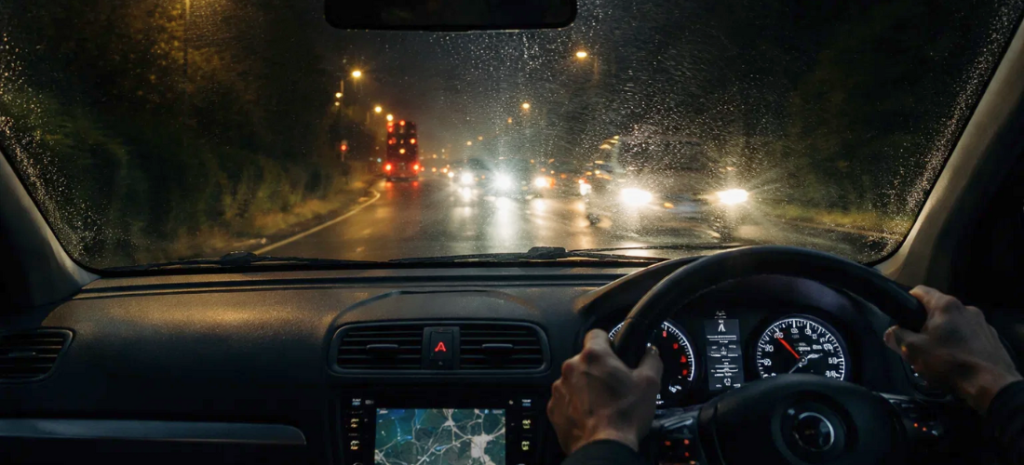
Dark roads change everything you thought you knew about driving. Even a familiar highway, the same one you take every week, can feel less forgiving when headlights replace daylight and every shadow asks for attention. Good night driving tips matter because nighttime does not only reduce visibility; it changes your reaction time, depth judgment, mood, and patience behind the wheel. In many U.S. towns, that can mean two-lane roads with weak lighting, deer near wooded shoulders, tired drivers leaving late shifts, or glare from oversized pickup headlights.
Safe night driving starts before the car even moves. It begins with clean glass, working lights, rested eyes, and a driver willing to slow down before trouble forces the issue. That sounds simple until you are running late, hungry, and trying to beat traffic after sunset. The smartest drivers do not act fearless at night. They act prepared. For anyone building better road habits through practical safety advice from trusted online resources like driver safety guidance, the goal is not perfection. It is making the next mile easier to read before it surprises you.
Build Better Visibility Before You Leave the Driveway
Night driving safety is not created on the road. It is created in the few quiet minutes before you pull out, when you still have full control over the condition of your windshield, mirrors, headlights, and cabin setup. Most drivers skip this part because the car starts, the GPS loads, and the road looks open enough. That confidence is exactly where problems begin.
A dirty windshield can turn one headlight into a starburst. A weak bulb can cut your view short on a rural road. A bright phone screen can make your eyes work harder than they should. Small things become large at night because darkness removes the margin that daylight gives you for free.
Clean Glass Changes More Than You Think
Windshield grime is sneaky because it often looks harmless during the day. At night, that thin film catches light from streetlamps, gas stations, brake lights, and oncoming vehicles. Suddenly the glass does not feel clear. It feels like you are driving through a faint fog that follows you everywhere.
Clean the inside of the windshield, not only the outside. Many drivers wash the exterior and wonder why glare still blooms across their view. Interior haze from dust, plastics, smoking residue, or air fresheners can scatter light badly. A microfiber cloth and glass cleaner can do more for safe night driving than another gadget clipped to the dashboard.
Mirrors deserve the same attention. Side mirrors with water spots or road dust make lane changes harder, especially when a fast vehicle appears from behind with bright LEDs. In a place like Phoenix, Dallas, or Atlanta, where wide roads mix with high speeds, a cloudy mirror can cost you the split second you needed.
The counterintuitive part is this: cleaner glass can make you drive calmer. When your eyes stop fighting glare, your brain stops working overtime. That lowers tension, and lower tension leads to better choices.
Headlights Need Aim, Not Only Brightness
Many drivers think brighter headlights automatically mean safer headlights. That is not always true. A headlight pointed too high can blind others, while one aimed too low can leave you outrunning your own beam. Both problems are common after bulb replacement, minor front-end bumps, or years of suspension wear.
Check your lights against a garage door or flat wall. If one beam sits much higher, lower, or farther to the side than the other, get it adjusted. This matters on dark suburban streets where pedestrians may step off a curb and on country roads where animals can appear at the edge of the beam.
Do not ignore dim or yellowed headlight lenses. Plastic housings fade slowly, so you may not notice the loss until you drive a dark road after rain. Restoring cloudy lenses can improve visibility without changing the bulbs. That is often the smarter move, especially if your current bulbs already meet road-use standards.
Good lighting is not about showing off. It is about seeing enough road to make decisions early, while giving other drivers the same chance.
Manage Speed, Space, and Reaction Time After Sunset
Visibility is only half the problem. The harder part is that your body reacts differently at night, even when you feel awake. Distance becomes harder to judge. Peripheral vision weakens. A black car, a cyclist, or a stalled vehicle can blend into the road until you are much closer than you expected. That is why speed discipline matters more after dark than most drivers want to admit.
Night Driving Tips deserve a place in every driver’s routine because nighttime risk often comes from ordinary habits carried into a different environment. The speed that felt easy at 3 p.m. may be too aggressive at 9 p.m. The following distance that worked in sunlight may feel thin when brake lights flare ahead.
Drive Within the Reach of Your Headlights
Your headlights create your usable road. If you cannot stop within the area they illuminate, you are driving faster than your eyes can support. That sounds strict, but it is one of the clearest rules for driving at night.
On rural U.S. roads, this matters even more. A deer can freeze near the shoulder. A tire tread can sit in your lane. A farm vehicle may move slower than expected. You may be legal at the posted speed limit and still be moving too fast for what you can actually see.
The smart move is to treat darkness as a condition, not a backdrop. Drivers slow down for rain, fog, or snow because the hazard feels obvious. Darkness deserves the same respect. It hides the problem until the last moment.
A useful test is simple: if you keep feeling surprised by curves, signs, brake lights, or roadside movement, your speed is wrong for the night. Do not wait for a near miss to prove it.
Add More Space Than Feels Necessary
Following distance at night should feel slightly generous. That extra gap gives your eyes time to read brake lights, road texture, turn signals, and driver behavior. It also keeps you out of the emotional trap of reacting to every tiny speed change from the car ahead.
On busy interstates, drivers often bunch together because everyone wants to move with the pack. At night, that pack can become a chain reaction. One hard brake tap near the front turns into panic five cars back, especially if drivers are tired or distracted.
Give yourself room to breathe. This helps in stop-and-go traffic outside cities like Chicago, Houston, or Los Angeles, where nighttime congestion can still feel intense. More space also makes glare easier to handle because you are not staring into the same pair of taillights from a few yards away.
The unexpected benefit is smoother driving. More distance means fewer sharp inputs, less fuel wasted on constant braking, and less stress in your shoulders by the time you arrive.
Protect Your Eyes From Glare, Fatigue, and Distraction
Night driving is an eye-management task as much as a vehicle-control task. Your eyes are constantly switching between darkness, bright lights, dashboard glow, reflective signs, and moving shadows. That constant adjustment wears you down. Many drivers blame the road when the real issue is visual fatigue.
This is where safer nighttime driving becomes personal. One driver can handle a short city trip with ease, while another struggles after ten minutes of glare. Age, sleep, screen use, prescription changes, dry eyes, and stress all affect how well you see at night. Ignoring that does not make you tougher. It makes the drive riskier.
Look Away From Oncoming Headlights Without Losing the Road
Staring directly into oncoming headlights is one of the most common mistakes drivers make at night. The eyes get pulled toward brightness. It is natural. But that quick stare can leave a lingering glare spot that reduces vision after the vehicle passes.
Train your eyes toward the right edge of your lane when bright lights approach. Use lane markings, the shoulder line, or the curb as your guide. You are not looking away from the road; you are choosing the part of the road that keeps your vision usable.
This habit helps when facing newer LED headlights, lifted trucks, or poorly aimed beams. It also helps during rain, when wet pavement reflects light from every angle. A driver on a two-lane road in Pennsylvania or Tennessee may face long stretches of oncoming glare with no divider. Eye placement becomes a real skill there.
Do not fight glare with anger. Fight it with technique. The road does not care how annoyed you are by someone else’s lights.
Keep the Cabin Dark Enough to Let Your Eyes Work
A bright dashboard, glowing infotainment screen, or phone mounted near eye level can weaken your night vision. Your pupils adjust to the brightest thing in your field of view, and that can make the road outside look darker than it should.
Dim your instrument panel before you start driving. Set navigation to night mode. Move the phone where it does not shine directly into your face. These changes feel minor, but they help your eyes stay tuned to the road instead of the cabin.
Passengers matter too. A child watching a bright tablet in the back seat can reflect light in mirrors or windows. A front passenger checking messages can create flashes that pull your attention. In a family SUV on a long drive, these little lights can become a steady drain on focus.
Eye fatigue often arrives quietly. You start blinking more, missing signs, or drifting mentally. That is the moment to take a break, not the moment to prove you can push through.
Make Smarter Choices Around Weather, Traffic, and Roadside Risk
Darkness rarely travels alone. It often comes with rain, fog, late-night construction, impaired drivers, animals, and tired commuters. That mix is why experienced drivers treat night trips differently from daytime errands. They do not assume the road is empty because it is late. Sometimes late roads are less crowded but more unpredictable.
The strongest night habits are not dramatic. They are small choices made early: picking a better route, leaving sooner, using high beams correctly, watching shoulders, and knowing when to stop. A calm driver with a basic plan is safer than a confident driver reacting too late.
Use High Beams With Courtesy and Timing
High beams are useful on dark, open roads, but they are not a permanent setting. They help you see farther when there is no nearby traffic. They also become dangerous when they blind oncoming drivers or reflect harshly through fog, rain, or snow.
Use high beams on rural stretches when the road ahead is empty. Switch to low beams when another vehicle approaches or when you follow someone closely. This courtesy is not only polite. It protects you because a blinded driver coming toward you is now part of your risk.
High beams can also hurt visibility in fog. The light reflects off moisture and creates a white wall in front of you. Low beams often work better because they aim light lower across the road surface. That feels backward to some drivers, but weather changes how light behaves.
Good high-beam use is about timing. Too many drivers think of it as a brightness choice. Skilled drivers treat it as a communication choice.
Watch the Edges, Not Only the Lane Ahead
The center of your lane is not where most nighttime surprises begin. They often start at the edges: a pedestrian near a crosswalk, a cyclist without enough reflectors, an animal at the shoulder, a disabled car partly in the lane, or debris waiting beyond the headlight beam.
Scan wide, then return to the lane ahead. Your eyes should move in a rhythm: far road, lane markings, mirrors, shoulders, nearby traffic, then back out again. Fixed staring is dangerous because it makes your world too narrow.
This matters in suburban areas where sidewalks disappear, rural roads where wildlife moves at dusk, and city streets where delivery drivers or rideshare passengers may step out unexpectedly. A quiet street is not an empty street.
The practical move is to expect the edge to change. Do not hug the shoulder on dark roads unless you need to. Give parked cars extra space. Slow down near gas stations, bars, schools, and poorly lit intersections. Night driving becomes safer when you stop treating the lane as the only story.
Conclusion
The best night drivers are not the boldest ones. They are the ones who accept that darkness changes the rules, then adjust before the road demands it. That means cleaning the windshield, checking lights, slowing down, adding space, protecting your eyes, and reading the shoulders with the same care you give the lane ahead.
Night driving tips work because they turn vague caution into repeatable habits. You do not need a luxury car, special equipment, or years of professional training to drive better after sunset. You need discipline before the trip, patience during the trip, and enough honesty to admit when fatigue or glare is winning.
The next time you drive after dark, make one change before you start the engine. Clean the glass, dim the screen, widen your following distance, or choose the better-lit route. Small choices stack fast at night, and the road rewards drivers who prepare before danger appears.
Frequently Asked Questions
What are the most important night driving safety habits for beginners?
Start with clean windows, properly working headlights, slower speeds, and wider following distance. Beginners should avoid staring into oncoming lights and should dim dashboard screens before driving. These habits reduce glare, improve reaction time, and make nighttime road conditions easier to judge.
How can I reduce headlight glare while driving at night?
Keep your windshield clean inside and outside, dim your dashboard, and look toward the right lane edge when bright headlights approach. Avoid looking directly at oncoming beams. If glare feels severe even with clean glass, schedule an eye exam to check night vision changes.
Why is driving at night more dangerous than driving during the day?
Night driving reduces visibility, weakens depth judgment, and gives drivers less time to react. Fatigue, glare, impaired drivers, poor lighting, and roadside hazards also become harder to spot. The same road can feel familiar in daylight and become far less forgiving after dark.
When should I use high beams on dark roads?
Use high beams on open roads when no nearby vehicles are ahead or approaching. Switch to low beams when you see oncoming traffic, follow another car, enter fog, or drive through heavy rain. High beams help only when they improve visibility without blinding others.
How do I know if my headlights are aimed correctly?
Park on level ground facing a wall or garage door and compare both beam patterns. If one beam sits much higher, lower, or farther sideways, the aim may be off. A repair shop can adjust the alignment so your lights show the road without blinding traffic.
What should I do if I feel sleepy while driving at night?
Pull over somewhere safe, take a break, switch drivers if possible, or stop for the night. Coffee and open windows may give a short lift, but they do not replace sleep. If your eyes keep closing or your lane position drifts, driving should stop.
Are yellow night driving glasses helpful for safer driving?
Some drivers feel they reduce glare, but tinted lenses can also reduce the amount of light reaching your eyes. That may make dark roads harder to see. Clean glass, correct headlight aim, screen dimming, and proper eye care are usually more reliable solutions.
How much following distance should I keep at night?
Leave more room than you would in daylight, especially at higher speeds or during rain. A three-second gap is a common minimum, but four or more seconds is smarter after dark. Extra space gives you time to read brake lights, road hazards, and sudden traffic changes.