
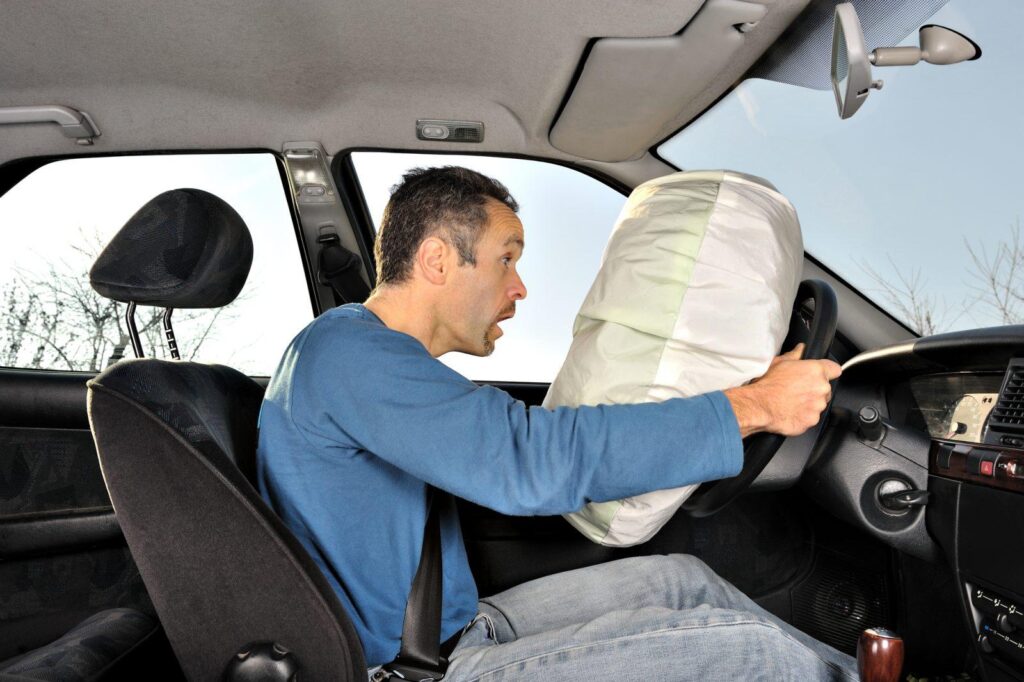
A family car can feel safe because it is familiar, but familiarity is not the same as protection. Most drivers know airbags matter, yet many miss the small habits that decide whether the system helps or hurts in a crash. These Airbag Safety choices start before the engine turns over: seat position, child placement, seat belt use, dashboard clutter, and whether a recalled part has been ignored for another month. For families in the U.S., where school runs, weekend errands, long highway trips, and rideshare-style carpooling all mix into daily life, airbags are not a luxury feature. They are part of a larger safety chain. A clear guide from trusted auto safety resources can help drivers think beyond basic ownership and treat protection as a routine. The hard truth is simple: airbags do their best work when the people inside the vehicle use the car the way engineers expected. That means adults sit back, kids ride in the right seat, belts stay buckled, and no one treats the airbag warning light like background noise.
Why Airbags Work Best as Part of a Full Safety System
Airbags are powerful, fast, and carefully timed, but they are not meant to work alone. The best family car safety comes from layers that support each other during the split second when a crash turns from possibility into impact. Seat belts hold the body in place, the seat structure manages movement, and airbags cushion the most dangerous forward motion.
Seat Belts Make the Airbag Do Its Job
A seat belt is not a backup plan for the airbag. It is the part that puts your body where the airbag can help instead of harm. In a frontal crash, an unbelted adult can move forward too early, too fast, and from the wrong angle. The airbag then meets a body that is already out of position.
This is where many family drivers get casual. A parent may buckle up on the highway but skip the belt during a short grocery run. A teen may tuck the shoulder belt behind the back because it feels annoying. Those small choices can turn passenger protection into a gamble.
The better habit is boring, and that is why it works. Everyone buckles up before the car moves, even at low speeds and close to home. Airbags are designed around that assumption, and the system rewards families who treat it as non-negotiable.
Seat Position Changes the Outcome
Distance matters more than most drivers think. Sitting too close to the steering wheel can place the chest and face near the deployment zone. When an airbag opens, it does not float out gently. It inflates with force because it has only a fraction of a second to create a cushion.
Adult drivers should keep a safe gap from the wheel while still reaching the pedals with control. The common advice is to keep at least 10 inches between the center of the steering wheel and the chest. Shorter drivers can adjust the seat, steering wheel tilt, and pedal reach before accepting a cramped position.
Passenger protection also depends on posture. Feet on the dashboard, a reclined seatback, or a twisted sitting position can defeat the timing of the system. It sounds harmless during a long road trip until a crash locks every loose habit into one violent moment.
Airbag Safety Rules for Children and Teens
Children need a different approach because their bodies are smaller, lighter, and still developing. The back seat is not a preference for young passengers. It is the safer zone because front airbags are built around adult body size and adult seating posture.
Why the Back Seat Is Still the Best Seat
The back seat gives children more distance from frontal airbags and the dashboard. That space matters in a crash because young passengers can be injured by forces that an adult body is better able to tolerate. This is why child passenger safety guidance keeps pointing families back to the rear seat.
A real family example makes it plain. A 9-year-old may argue that the front seat feels grown-up, especially when an older sibling gets to sit there. The safer answer is not about fairness. It is about body size, belt fit, and crash geometry.
Children under 13 should ride in the back seat whenever possible. That habit may feel strict during normal days, but it removes a major risk before a crash ever happens. Parents do not need to debate it each trip when the family rule is already set.
Car Seats and Airbags Cannot Be Treated Separately
Rear-facing car seats should never be placed in front of an active passenger airbag. The danger is direct and severe. If the airbag deploys, it can strike the back of the car seat with enough force to injure or kill a baby.
Booster seats also need attention. A booster is not there to make a child taller for comfort. It positions the lap and shoulder belt across stronger parts of the body so the entire restraint system works correctly. Without that fit, vehicle safety features cannot cover the mistake.
Parents should also check car seat installation more than once. A seat that was tight last month may shift after being moved, cleaned, or reinstalled in a hurry. Many U.S. communities offer car seat inspection events through police departments, hospitals, and safety groups, and those checks are worth the time.
Everyday Habits That Reduce Airbag Risk
The most overlooked airbag problems are not dramatic. They come from habits that feel normal: tossing items on the dash, ignoring a warning light, letting a passenger ride with poor posture, or buying used parts without checking their history. Safety often fails quietly before it fails loudly.
Keep the Dashboard and Steering Area Clear
Anything between a person and an airbag can become part of the crash. Phones, decorations, clip-on accessories, heavy keychains, and dashboard ornaments may look harmless while parked. During deployment, loose objects can move with frightening speed.
This is especially common in family vehicles because cars become rolling storage rooms. Sunglasses, toys, charging cables, fast-food bags, and school items spread across the cabin. The issue is not messiness. The issue is that a crash turns clutter into projectiles.
A cleaner front cabin supports family car safety without costing a dollar. Keep the dashboard clear, avoid steering wheel covers that interfere with deployment, and do not attach hard accessories near airbag panels. A plain cabin may look less personal, but it behaves better under pressure.
Warning Lights Deserve Fast Attention
An airbag warning light is not a suggestion. It usually means the supplemental restraint system has detected a fault. That fault may affect airbags, seat belt pretensioners, sensors, or wiring. The car may still drive fine, which is exactly why families delay repairs.
That delay is the trap. A vehicle can sound normal, brake normally, and handle normally while one of its key vehicle safety features is disabled. The driver gets no second warning at the moment of impact.
A good rule is simple: treat an airbag light like a brake warning light, not like a cosmetic issue. Schedule diagnostics soon, especially before long trips, teen driving practice, or holiday travel. The repair may be minor, but the answer should come from a qualified technician, not a dashboard guess.
Buying, Maintaining, and Recalling Airbag Systems
Airbag care does not end after you buy the car. Family vehicles change hands, get repaired, age through heat and cold, and sometimes carry open recalls for years. A smart driver does not obsess over every part. They check the few items that carry the highest consequence.
Used Cars Need a Safety History Check
A used vehicle can look clean and still hide serious airbag concerns. Prior crashes, poor repairs, salvage history, or counterfeit replacement parts can affect passenger protection in ways a quick test drive will not reveal. The seat fabric may look fresh while the deeper system tells another story.
Families shopping for a used minivan, SUV, or sedan should check the vehicle history report, inspect the airbag warning light at startup, and ask direct repair questions. A seller who avoids clear answers about crash repairs is giving you useful information, even if it is not the answer you wanted.
A pre-purchase inspection can also help. Ask the mechanic to check for restraint system codes and visible signs of prior deployment. Spending a little before purchase can prevent a family from trusting a system that was never restored correctly.
Recalls Are Not Junk Mail
Airbag recalls can sound like paperwork until the defect involves the car sitting in your driveway. Some recalls affect inflators, sensors, wiring, or deployment behavior. In the U.S., drivers can check open recalls through the National Highway Traffic Safety Administration using the vehicle identification number.
The counterintuitive part is that many recalled vehicles still feel safe in daily driving. Nothing rattles. Nothing smells wrong. The warning light may stay off. That comfort is false because recalls often concern failure during rare events, not normal operation.
Families should check recalls when buying a used car, after moving, and at least twice a year. It takes only a few minutes, and many recall repairs are free through the manufacturer. That is one of the easiest safety wins a driver can claim.
Conclusion
A safer family vehicle is not built by one feature, one rating, or one confident sales pitch. It is built by the way people use the car every day, especially when nothing feels dangerous. Airbag Safety works best when adults sit at the right distance, children ride in the back, seat belts fit correctly, and warning lights get handled before they become regrets.
The strongest move is to make safety boring. Check the VIN for recalls. Keep the dashboard clear. Stop letting kids graduate to the front seat before their bodies are ready. Fix the airbag light instead of explaining it away. These choices do not require fear, and they do not require perfect knowledge. They require attention.
Your next drive may be routine, and that is the point. Set the cabin up as if a crash could happen on an ordinary Tuesday, then enjoy the road knowing your family is better protected before the first mile begins.
Frequently Asked Questions
What are the most important airbag safety tips for family drivers?
Buckle every passenger, keep children under 13 in the back seat, sit at least 10 inches from the steering wheel, and keep the dashboard clear. Airbags work best when passengers are seated upright and the restraint system can respond as designed.
Can a child sit in the front seat if the airbag is turned off?
The back seat is still the safer choice for most children. A disabled airbag removes one danger, but it does not make the front seat ideal. Belt fit, crash forces, and body size still matter, especially for younger passengers.
Why are rear-facing car seats dangerous near airbags?
A front airbag can hit the back of a rear-facing car seat with extreme force. Babies are especially vulnerable because their heads, necks, and spines are still developing. Rear-facing seats belong in the back seat, away from active frontal airbags.
How far should a driver sit from the steering wheel airbag?
A driver should aim for at least 10 inches between the chest and the center of the steering wheel. The seat should still allow full pedal control. Steering wheel tilt can help shorter drivers create safer spacing without losing control.
Does an airbag replace the need for a seat belt?
No. Airbags are designed to work with seat belts, not instead of them. A seat belt keeps the body positioned correctly so the airbag can cushion impact. Without a belt, the body may move too far forward before deployment.
Is it safe to put feet on the dashboard during a road trip?
No. Feet on the dashboard can cause severe leg, hip, and facial injuries if an airbag deploys. The passenger should sit upright with both feet on the floor and the seat belt positioned across the shoulder and hips.
What should I do if my airbag warning light stays on?
Schedule a diagnostic check soon. The light may mean part of the restraint system is not working correctly. The car may still drive normally, but the airbags or seat belt pretensioners may fail during a crash.
How can I check whether my vehicle has an airbag recall?
Use your vehicle identification number on the NHTSA recall website or contact a dealership for your car brand. Recall repairs are often free, and checking takes only a few minutes. Used car buyers should always check before purchase.