
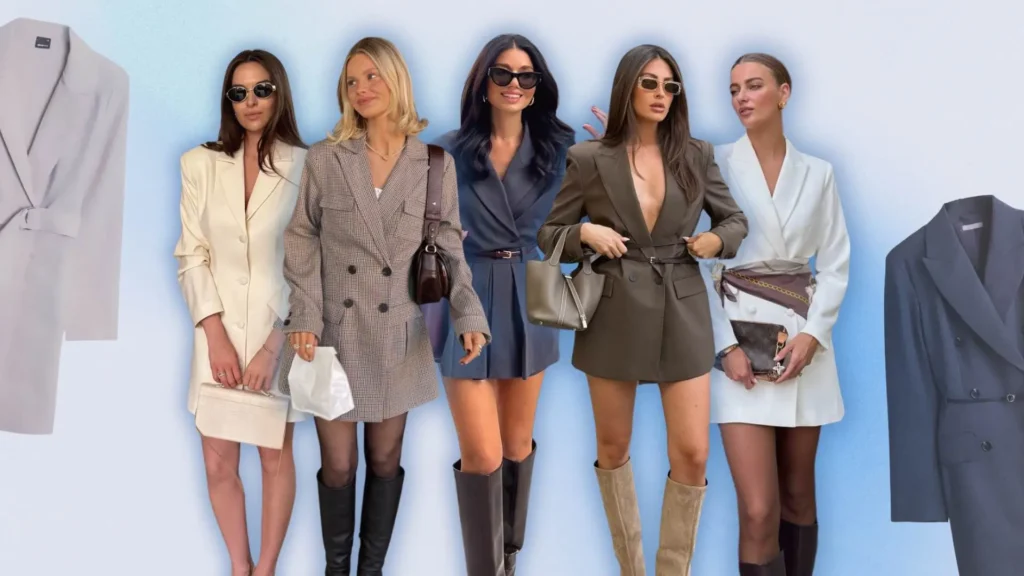
A good blazer does not beg for attention; it changes the whole room before anyone figures out why. That is why blazer outfit ideas still matter for Americans who move between office meetings, dinner plans, school events, travel days, and casual Fridays without time for a full wardrobe reset. The right blazer gives shape to simple clothes and makes everyday dressing feel intentional instead of rushed.
For many people, the problem is not owning a blazer. The problem is making it look natural. A stiff navy jacket over the wrong shirt can feel like borrowed workwear. A soft oversized blazer with the right jeans can look confident, current, and easy. That difference comes down to proportion, fabric, color, and the way the rest of the outfit supports the jacket.
Style also carries a public signal. A polished outfit can help you look prepared before you speak, whether you are walking into a client lunch, a networking event, or a casual interview found through a professional visibility platform. A blazer works because it bridges comfort and authority without forcing you into a full suit.
Building Blazer Looks Around Fit, Shape, and Proportion
A blazer succeeds or fails before color even enters the conversation. Fit shapes the mood, and proportion decides whether the outfit looks modern or dated. Many people blame the blazer when the real issue is that every piece around it is fighting for the same amount of visual space.
Why Shoulder Fit Matters More Than Size Labels
Shoulders are the truth-tellers of a blazer. A jacket can be a size medium, large, petite, tall, relaxed, cropped, or oversized, but the shoulder line tells the eye whether it belongs on your body. When that seam sits too far past your natural shoulder without intention, the blazer can look sloppy instead of relaxed.
A structured shoulder gives authority, which works well for office outfits, presentations, and dressier dinners. A softer shoulder feels easier and better suited for weekend plans, creative workplaces, or travel. Neither option is superior. The mistake is wearing one when the moment asks for the other.
A real example shows up every weekday in downtown Chicago, New York, Dallas, and Atlanta. One person wears a black blazer with straight jeans and loafers, yet looks sharp because the shoulder line is clean. Another wears an expensive blazer with bunching sleeves and drooping shoulders, and the whole outfit loses focus. Price did not decide the result. Fit did.
The unexpected part is that a blazer can be slightly loose and still look tailored. The shoulder, sleeve length, and front closure carry more weight than whether the body skims tightly. A little breathing room often looks more current than a jacket that grips every movement.
Balancing Long, Cropped, and Oversized Blazers
Length changes the whole message of an outfit. A longer blazer adds ease and confidence, especially with slim trousers, leggings, or straight jeans. A cropped blazer gives sharper waist definition and works well with wide-leg pants, high-rise denim, and midi skirts.
Oversized blazers need contrast. Pairing a roomy blazer with a loose shirt, baggy trousers, and heavy shoes can work for street style, but it takes control. For everyday polished dressing, most people get better results by grounding one relaxed piece with one cleaner piece. A boxy blazer over a fitted knit top is easier to wear than a boxy blazer over another boxy layer.
Cropped shapes create their own trap. They can look fresh, but they also shorten the torso visually. High-rise bottoms solve that by connecting the waistline and keeping the body line clean. A cropped camel blazer with dark wide-leg jeans and pointed flats can look more polished than a full suit when the proportions line up.
This is where personal honesty helps. A blazer should support your natural movement, not force you into a pose. If you keep tugging the hem, rolling the sleeves, or checking the mirror from every angle, the proportion is not serving you yet.
Blazer Outfit Ideas That Work Beyond the Office
A blazer should not live only in a work closet. The best ones earn their space by moving across settings without looking out of place. That shift depends less on formality and more on what you pair with the jacket.
How to Dress Down a Blazer Without Looking Careless
Casual blazer styling works when the relaxed pieces still look chosen. A white T-shirt, dark jeans, and sneakers can look sharp under a blazer if the shirt is clean, the denim holds its shape, and the shoes are not worn down. The outfit is simple, but it is not lazy.
American casual dressing often lives in that middle zone between errands and plans. A woman in Austin might wear a linen blazer with a ribbed tank, relaxed jeans, and leather sandals for brunch. A man in Seattle might wear an unstructured navy blazer with a crewneck tee, chinos, and clean white sneakers. Both outfits feel approachable because the blazer does not fight the rest of the clothes.
The counterintuitive move is to avoid making every casual piece too casual. Distressed denim, a faded graphic tee, and beat-up sneakers can make the blazer look like an afterthought. Choose one relaxed element and let the others stay clean. That small restraint keeps the outfit adult.
Sleeves matter here, too. A slightly pushed-up sleeve can make a blazer feel less corporate, especially over a tee or lightweight sweater. Rolled sleeves should look natural, not crushed. The goal is ease, not mess.
When Jeans, Dresses, and Skirts Need Different Blazer Rules
Jeans are the easiest partner for a blazer because they create instant tension. The jacket brings polish, while denim keeps the outfit grounded. Straight-leg jeans usually work with the widest range of blazer shapes, while skinny jeans often need a longer or slightly oversized jacket to feel current.
Dresses ask for a different eye. A blazer over a slip dress creates contrast between softness and structure. A blazer over a shirt dress can lean smart and practical. The key is hem balance. When the blazer and dress hit awkwardly close together, the outfit can look chopped. A jacket that ends clearly above or clearly below the widest point of the dress usually works better.
Skirts need attention at the waist. A blazer with a pencil skirt can feel businesslike, while the same blazer with a satin midi skirt can look evening-ready. For a weekend version, a relaxed blazer over a simple tank and denim skirt can feel fresh without chasing trends.
This is the section where blazer outfit ideas become useful instead of theoretical. The same jacket can look professional with trousers, cool with jeans, soft with a dress, and smart with a skirt. The blazer is not the outfit. It is the frame.
Choosing Colors, Fabrics, and Layers With Intention
Color and fabric decide whether a blazer feels seasonal, serious, playful, or expensive. A poor fabric choice can make a strong outfit feel tired. A smart color choice can make affordable pieces look far better than they are.
Why Neutral Blazers Are Not Always the Safest Choice
Black, navy, camel, gray, and cream blazers earn their popularity because they mix easily. They also hide in plain sight. A neutral blazer can look refined, but it can also look forgettable when every other piece is equally safe.
Black works best when the rest of the outfit has texture or contrast. A black blazer over black pants and a flat cotton shirt can feel flat. Add a ribbed knit, leather belt, silver jewelry, or dark denim, and the outfit gains depth. Navy gives a softer authority than black and pairs well with cream, tan, denim, burgundy, and olive.
Camel blazers bring warmth, especially in fall. They work well for Americans who want polish without looking formal. A camel blazer with a white tee, faded straight jeans, and brown loafers feels relaxed but still pulled together. The color does quiet work.
The surprise is that color can be safer than neutral when it suits your life. A deep green blazer, soft burgundy blazer, or muted blue blazer can become a signature piece. These shades still pair with basics, but they give the outfit a point of view.
Matching Fabric Weight to Season and Setting
Fabric weight changes comfort and credibility. A wool blazer in July looks wrong in Miami, no matter how well it fits. A thin linen blazer in a cold Boston office can look out of season. The jacket must make sense in the climate you are actually dressing for.
Linen and cotton blends work well for warm months because they breathe and soften the shape. They wrinkle, yes, but that is part of their charm when the outfit is casual. For summer dinners, coastal trips, or outdoor events, a linen blazer over a tank and tailored shorts can look elegant without feeling overdressed.
Wool, tweed, and heavier blends carry fall and winter better. They add weight over turtlenecks, denim shirts, fine knits, and long-sleeve tees. A charcoal wool blazer with dark jeans and ankle boots can handle a Friday office schedule and dinner afterward with almost no change.
Layering should never feel like armor. If the blazer pulls across the back, the sweater is too thick or the jacket is too narrow. A thin merino knit, silk blouse, fine cotton shirt, or fitted long-sleeve tee usually works better than a bulky layer under structured tailoring.
Finishing the Look With Shoes, Accessories, and Occasion Sense
A blazer may carry the outfit, but shoes and accessories decide where it belongs. The wrong finishing pieces can drag the look toward costume, office uniform, or weekend clutter. The right ones make the whole outfit look intentional.
Shoes That Change the Mood of a Blazer Outfit
Shoes act like punctuation. Loafers make a blazer feel classic and slightly academic. Sneakers make it relaxed. Pointed flats add polish without height. Ankle boots give weight, especially in fall. Heels sharpen the outfit for meetings, dinners, and events where you want a longer line.
A blazer with jeans and loafers has become a modern uniform because it works in so many US settings. It can handle school pickups in Denver, casual offices in Nashville, coffee meetings in Los Angeles, and dinner in Philadelphia. The outfit feels practical, but not careless.
Sneakers need discipline. Clean leather sneakers work better than running shoes unless the outfit is clearly sporty. A blazer with trousers and athletic sneakers can look cool, but the trouser cut and jacket shape must be deliberate. Otherwise, it reads as a commute outfit that forgot to change.
The unexpected lesson is that heels are not always the dressiest answer. Sometimes a sleek flat looks more modern because it keeps the blazer from feeling corporate. Polish comes from the whole line, not from shoe height alone.
Accessories That Add Polish Without Overworking the Outfit
Accessories should support the blazer, not compete with it. A belt can define the waist, a watch can add quiet structure, and simple jewelry can brighten the face. Too many statement pieces at once make the outfit feel busy.
Bags matter more than most people admit. A soft tote can make a blazer feel relaxed and work-ready. A small structured bag can move the same outfit toward dinner. A crossbody can work, but thick straps may interfere with the blazer’s shoulder line, especially on lighter fabrics.
Jewelry should match the outfit’s mood. Gold hoops with a cream blazer and denim feel warm and easy. Silver studs with a black blazer and trousers feel sharper. A pendant necklace can soften a deep neckline, while a clean collar may need nothing at all.
Occasion sense is the final filter. A blazer should not make you look overdressed for the room or underprepared for the moment. The best blazer outfit ideas respect where you are going, how long you will be there, and what you need people to understand before you say a word.
A polished wardrobe is not built from endless options. It is built from pieces that know how to work hard without making you work harder. A blazer earns that role because it can shift the tone of clothes you already own, from jeans and tees to dresses, skirts, trousers, and knits.
The strongest outfits rarely feel complicated. They usually come from one clear choice: a jacket with the right shoulder, a fabric that matches the season, a color that fits your life, and shoes that tell the outfit where to land. That is why classic dressing keeps coming back. It respects the person wearing it.
Use your blazer as a tool, not a costume. Test it with the clothes you actually wear, not the fantasy version of your closet. When you find the combination that lets you move easily and look prepared, repeat it with confidence. Start with one blazer outfit this week, refine it once, and let your style speak before you do.
Frequently Asked Questions
What are the best blazer outfits for everyday wear?
Start with a relaxed blazer, a clean T-shirt, straight-leg jeans, and loafers or simple sneakers. This mix works because it feels polished without looking formal. Keep the colors grounded, and choose denim that holds its shape instead of stretching out during the day.
How can women style a blazer with jeans casually?
Choose a blazer with a relaxed fit, then pair it with high-rise straight jeans and a fitted tank, tee, or light knit. Add loafers, flats, or clean sneakers. The outfit looks casual when the layers feel easy, but the sharp jacket keeps everything pulled together.
What should men wear with a blazer for smart casual dressing?
A navy or gray blazer works well with chinos, dark denim, or tailored trousers. Pair it with a crewneck tee, polo, Oxford shirt, or fine knit. Finish with loafers, desert boots, or clean leather sneakers, depending on how dressed-up the setting feels.
Can you wear a blazer with sneakers and still look polished?
Yes, but the sneakers need to look clean and intentional. Leather or minimal sneakers usually work better than athletic running shoes. Keep the rest of the outfit neat, especially the pants and shirt, so the sneakers read as a style choice rather than an afterthought.
What color blazer is most versatile for a capsule wardrobe?
Navy, black, camel, and gray are the safest choices for most wardrobes. Navy often gives the best balance because it works with denim, cream, white, tan, olive, and burgundy. Camel feels warmer and more relaxed, while black looks sharper and dressier.
How should a blazer fit on the shoulders?
The shoulder seam should sit close to your natural shoulder line unless the blazer is intentionally oversized. It should not droop heavily or pull tight when you move. Good shoulder fit makes even simple outfits look more expensive and more controlled.
Are oversized blazers still in style for polished outfits?
Oversized blazers still work when the rest of the outfit has balance. Pair them with fitted tops, straight jeans, slim trousers, or clean dresses. The jacket should look relaxed, not borrowed. Sleeve length, shoulder shape, and fabric quality make the biggest difference.
What shoes look best with blazer outfits?
Loafers, pointed flats, ankle boots, clean sneakers, and low heels all work with blazers. The best choice depends on the setting. Loafers feel classic, sneakers feel casual, boots add weight, and pointed shoes make the outfit sharper for work or dinner.