
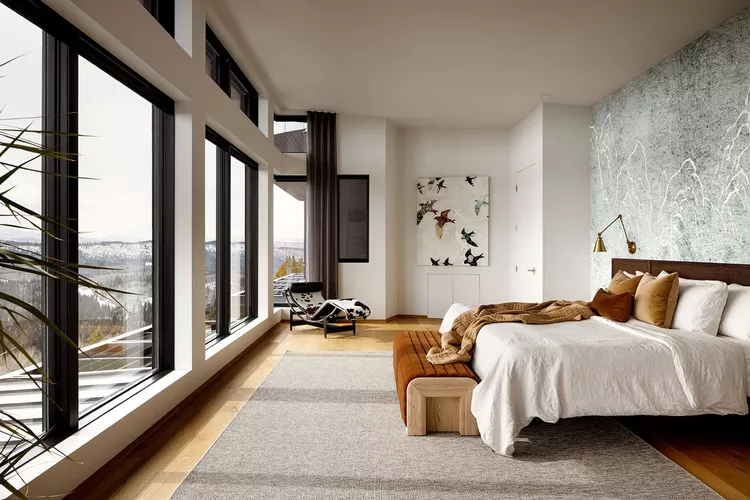
A bedroom can look expensive and still feel wrong the second you try to sleep in it. That is why luxury bedroom styling works best when it begins with calm, not price. In many American homes, the bedroom has become a half-office, half-storage zone, half-recovery room after long workdays. No wonder people walk into a beautiful space and still feel restless.
The real goal is not to copy a hotel suite or buy every polished item on a showroom floor. The goal is to build a room that lowers your shoulders when you enter. Soft lighting, better textures, smart furniture placement, and quiet surfaces all matter more than one dramatic statement piece.
A calm bedroom also supports how you live outside the room. Parents need a place that does not feel invaded by laundry. Remote workers need visual separation from screens. Apartment renters need style without permanent changes. Even small upgrades can change the mood fast, especially when they come from thoughtful home lifestyle inspiration rather than random shopping. Luxury starts when the room finally stops shouting.
Start With a Calm Layout Before Buying Anything
A peaceful bedroom begins before fabric, paint, or furniture enters the conversation. Layout decides whether the room feels settled or constantly interrupted. Many people decorate too early, then wonder why the finished space still feels tense. The bed faces the wrong direction. The walkway is cramped. The dresser blocks natural light. The room may look complete, but the body notices every small inconvenience.
How should a bedroom layout support better sleep?
A good bedroom layout gives your eyes one clear resting place. In most rooms, that should be the bed. When you walk in, the bed should feel anchored, not shoved into whatever corner had space left over. A centered headboard, balanced nightstands, and open floor around the bed create a quiet sense of order.
American homes vary widely, from compact city apartments to wide suburban primary suites. The same rule still holds. Leave enough room to move without turning sideways. Keep laundry baskets, exercise gear, and work supplies away from the first view if possible. Your brain reads clutter before you name it.
The counterintuitive part is that less furniture can make a room feel more expensive. A crowded bedroom often looks like someone tried too hard. One strong bed, one comfortable chair, and properly scaled storage can feel richer than five decorative pieces fighting for attention.
Why does furniture scale matter more than matching sets?
Matching bedroom sets can feel safe, but they often flatten personality. A king bed with huge matching nightstands may overpower a normal 12-by-12 room. A slim upholstered bed with warmer wood side tables may give the same room more air and more grace.
Scale is not about choosing tiny furniture. It is about choosing pieces that respect the room. A tall headboard can work beautifully if the ceiling height can carry it. A low platform bed can feel elegant in a modern apartment, but it may look lost in a large room with high windows.
A real example shows up in many newer U.S. townhomes. The bedroom may have a generous bed wall but limited depth near the closet. In that case, a narrower dresser or wall-mounted lighting does more for comfort than another bulky furniture piece. The room feels custom without needing custom work.
Use Luxury Bedroom Styling Through Texture, Not Noise
The most convincing rooms do not announce every design choice. They let texture do the talking. This is where luxury bedroom styling becomes softer, deeper, and more personal. A calm room needs contrast you can feel: crisp sheets beside a nubby throw, smooth wood against matte walls, velvet or linen near simple cotton. Texture gives the room depth without making it busy.
What bedding makes a bedroom feel calm and expensive?
Great bedding starts with layers that make sense for your climate and habits. A Florida bedroom may need breathable cotton, a light quilt, and washable layers. A home in Minnesota may need a heavier duvet, flannel in winter, and a throw that looks good at the foot of the bed without becoming a daily wrestling match.
Thread count gets too much attention. Feel matters more. Percale feels crisp and cool. Sateen feels smoother and slightly heavier. Linen brings relaxed texture, though it wrinkles in a way some people love and others cannot stand. The best choice is the one that makes you want to get into bed, not the one with the fanciest tag.
A smart styling trick is to keep the main bedding quiet and let one layer carry personality. Maybe that means a muted green quilt, a soft clay throw, or two patterned pillows behind simple sleeping pillows. Calm does not mean blank. It means edited.
How can rugs and curtains make the room quieter?
Soft surfaces change the sound of a room. A bedroom with bare floors, thin blinds, and flat walls can echo in a way that feels cold without looking messy. Add a rug under the bed and proper curtains near the windows, and the space instantly feels more settled.
The rug should be large enough to extend beyond the sides of the bed. A tiny rug floating at the foot often looks like an apology. In a queen bedroom, an 8-by-10 rug usually works better than people expect. In smaller apartments, runners on each side can still soften the morning step.
Curtains do more than dress the window. They control light, privacy, and mood. Blackout lining helps in cities, near streetlights, or for people who work irregular hours. Hang rods wider than the window frame when possible. That small move makes the window feel larger and keeps fabric from blocking daylight during the day.
Build a Lighting Plan That Feels Warm at Night
Lighting is where many bedrooms lose their calm. One bright ceiling fixture cannot do the work of an entire mood. It blasts the room when you need softness and disappears when you need focused light. A restful bedroom needs layers: ambient light for general glow, task light for reading, and low accent light for the last hour before sleep.
Why should bedside lighting be softer than overhead lighting?
Bedside lighting should help you wind down, not wake the room back up. Lamps with fabric shades, wall sconces with warm bulbs, or small shaded fixtures often work better than exposed bulbs. The light should land near the page or nightstand, not hit your face like a bathroom mirror.
Warm color temperature matters. Many homes still use harsh white bulbs in bedrooms because they seem brighter in the store. At night, that brightness can feel clinical. Warmer bulbs create a quieter mood and flatter the room’s textures. The walls look gentler. Wood tones look richer. Skin looks more natural.
A practical U.S. renter example is simple: plug-in wall sconces. They give the look of built-in lighting without calling an electrician or risking a lease issue. Cord covers can be painted to match the wall, and the result feels intentional instead of temporary.
What kind of accent lighting works without looking overdone?
Accent lighting should stay subtle. A small lamp on a dresser, a shaded floor lamp near a reading chair, or low lighting inside a wardrobe area can add depth without turning the room theatrical. The goal is a glow that helps the room exhale.
LED strips can work, but placement decides everything. Hidden behind a headboard or under a floating shelf, they may feel soft and modern. Exposed around the ceiling edge, they can make a bedroom feel more like a teen gaming room than a quiet retreat.
Dimmer switches are underrated. They give one fixture several moods, which matters in homes where every square foot works hard. A bedroom may need brighter light on laundry day and soft light at 10 p.m. Good design allows both without forcing the room into one mood forever.
Choose Colors and Details That Lower Visual Stress
Color has power because it changes the emotional temperature of the room. A calm bedroom does not need to be all beige, all white, or all gray. It needs colors that cooperate. Too much contrast can make the eyes jump around. Too little contrast can feel flat. The sweet spot sits between softness and definition.
Which bedroom colors feel peaceful without feeling boring?
Muted colors often work better than pure tones. Dusty blue, warm taupe, mushroom, sage, soft charcoal, cream, clay, and muted olive can all feel restful when balanced with the right materials. These shades have enough character to avoid blandness but not enough volume to dominate the room.
Paint behaves differently in every American home because light changes by region, window direction, and season. A color that looks creamy in California sun may look yellow in a Northeast bedroom with weaker winter light. Sample paint on more than one wall before committing. The wall beside the window and the wall across from it may tell two different stories.
The unexpected truth is that darker colors can feel calmer than pale ones. A deep green or soft charcoal bedroom can feel cocooning when paired with warm lamps and textured bedding. Dark walls fail only when the room lacks light balance or contrast.
How do small details make a room feel finished?
Details decide whether a bedroom feels collected or accidental. Hardware, lampshades, frames, trays, pillow shapes, and nightstand objects all create the final layer. None of them need to be expensive. They need to agree with each other.
A nightstand should not become a junk drawer with legs. Keep what supports your night routine: a lamp, a book, a small dish, maybe water. Remove old receipts, extra chargers, and random bottles. Calm often comes from what you stop displaying.
Artwork also matters, but bedroom art should not demand too much from you. Save loud conversation pieces for hallways or living rooms. In the bedroom, choose art that gives the eye somewhere pleasant to land. A quiet landscape, abstract print, textile piece, or black-and-white photo can finish the room without stealing the mood.
Keep Storage Elegant So Calm Lasts
A styled bedroom can fall apart in one week if storage does not support real life. Calm is not created by hiding everything before guests arrive. It is created by giving daily objects a place that is easy to use. That means storage must match your habits, not your fantasy version of yourself.
What storage choices keep a bedroom looking polished?
Closed storage usually works better in bedrooms than open storage. Open shelves look charming on design blogs, but they collect visual noise fast. Doors, drawers, baskets, and lidded boxes protect the calm you worked to create.
Under-bed storage can be useful, but it should be controlled. Clear bins full of random items can make the room feel like a garage annex. Use fabric bins, labeled containers, or built-in drawers if the bed allows. Store seasonal bedding, extra pillows, or off-season clothing there, not forgotten clutter.
Closet systems do not need to be custom to work well. A second hanging rod, slim hangers, drawer dividers, and shelf baskets can change the whole rhythm of a morning. The best storage upgrade is the one that removes a daily annoyance you stopped noticing.
How can you maintain the luxury feeling every day?
Maintenance sounds boring until you realize it is the secret behind every calm room. A bedroom feels high-end when small messes never get the chance to become the main character. That does not require perfection. It requires simple resets.
Make the bed in a way you can repeat. If nine pillows annoy you, use four. If a heavy duvet gets kicked to the floor, switch to lighter layers. If your laundry chair keeps winning, replace it with a hamper that looks good enough to stay visible.
One quiet rule works better than a full cleaning routine: clear the surfaces every night. Nightstands, dressers, and benches collect the day’s leftovers. Give yourself two minutes before bed to return the room to neutral. The reward is immediate the next morning, when the first thing you see is peace instead of yesterday’s loose ends.
A calm bedroom is not a showroom, and it should never feel like one. It should feel like the one room in your home that knows when to lower its voice. The best design choices support sleep, privacy, and ease without asking you to perform a lifestyle you cannot maintain. That is the lasting value of luxury bedroom styling: it turns beauty into relief. Start with one change that affects how the room feels at night, whether that means softer lighting, better bedding, or a layout that finally gives the bed room to breathe. Choose the upgrade you will notice every evening, not the one that only looks good in a photo. Calm is built in layers, and the first layer can begin tonight.
Frequently Asked Questions
What are the best luxury bedroom styling ideas for small rooms?
Choose fewer pieces, better scale, and softer lighting. A small room feels more expensive when the bed is properly centered, surfaces stay clear, and storage is closed. Use wall sconces, a large mirror, and bedding with texture instead of heavy patterns.
How can I make my bedroom feel calm without spending much?
Start with layout, lighting, and clutter control. Move furniture for easier walking space, switch harsh bulbs to warm ones, and clear nightstands. Add one soft throw or better pillow covers if the room needs texture. Small changes work when they reduce stress.
What colors are best for a peaceful luxury bedroom?
Muted shades usually work best, including warm white, taupe, sage, dusty blue, clay, mushroom, and soft charcoal. Test paint in your actual room before buying gallons. Bedroom light changes across the day, and color can shift more than expected.
How many pillows should a styled bed have?
Use enough pillows to make the bed feel full without making bedtime annoying. Most beds look polished with sleeping pillows, two larger back pillows, and one or two accent pillows. When pillows end up on the floor nightly, you have too many.
What lighting is best for a relaxing bedroom at night?
Warm layered lighting works best. Use bedside lamps or sconces for reading, a dimmable overhead fixture when needed, and one soft accent lamp for mood. Avoid harsh white bulbs near bedtime because they make the room feel alert instead of restful.
How do curtains improve a bedroom’s comfort?
Curtains soften sound, improve privacy, control light, and make windows feel more finished. Blackout lining helps in cities or bright neighborhoods. Hanging curtain rods wider and slightly higher than the window can make the whole room feel taller and calmer.
What makes a bedroom look expensive but still cozy?
Balanced scale, quality textures, warm lighting, and edited surfaces create that effect. Expensive-looking rooms rarely feel crowded. Keep the main palette calm, add contrast through fabric and wood, and choose details that feel personal rather than showroom-perfect.
How often should I refresh my bedroom design?
Refresh small details every season if your room starts feeling stale. Change pillow covers, rotate throws, adjust lighting, or simplify surfaces. Bigger updates like paint, furniture, or rugs can wait until your lifestyle changes or the room no longer supports your routine.