
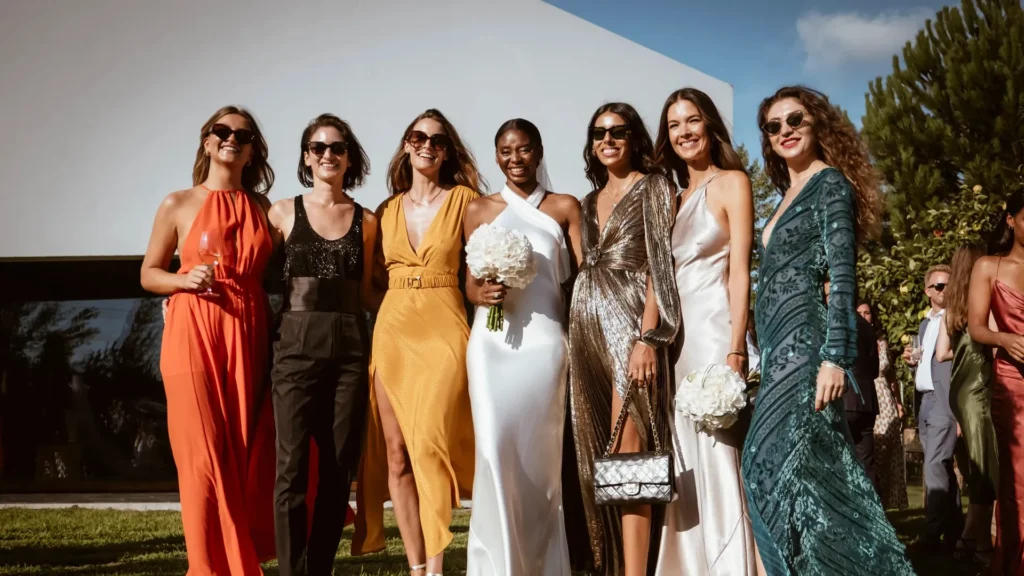
A wedding invitation can make your closet feel smaller than it is. The right Wedding Guest Outfits balance respect, beauty, comfort, and the quiet confidence that lets you enjoy the day instead of adjusting straps, tugging hems, or second-guessing the dress code. Across the USA, celebrations now range from black-tie hotel receptions in Chicago to backyard vineyard ceremonies in Napa, so one stiff “wedding look” no longer works for every guest.
Style starts with reading the room. A satin midi dress may feel perfect for a city evening ceremony, while a breezy linen blend suit makes more sense for a coastal afternoon in Charleston. You are not dressing to compete with the couple. You are dressing to honor the moment while still looking like yourself.
For more event style inspiration, polished fashion features, and lifestyle ideas, platforms such as modern celebration style guides can help readers connect clothing choices with the tone of real occasions. The best outfit does not scream for attention. It belongs in the photos without stealing the frame.
Reading the Dress Code Without Losing Your Style
Dress codes look simple until they land in your inbox. “Formal,” “semi-formal,” “garden party,” and “cocktail” can mean different things depending on the venue, season, and family culture behind the event. The smartest guests treat the dress code as a starting point, not a cage.
A strong outfit begins with context. A ballroom wedding in Boston calls for a different mood than a ranch wedding in Texas, even when both invitations say formal. That gap is where taste lives.
How to Decode Formal Wedding Looks Without Overdressing
Formal wedding looks should feel polished, not theatrical. For women, that may mean a floor-length dress, a sculpted midi, or a refined jumpsuit in crepe, satin, or chiffon. For men, a dark suit, sharp dress shirt, and clean leather shoes usually land well unless the invitation asks for black tie.
The mistake many guests make is treating formal as a costume. A glitter-heavy gown may fit a New Year’s Eve party better than a family wedding. A navy column dress with graceful earrings can look richer than something covered in sequins because restraint often reads more expensive.
Men face the same issue. A tuxedo can look out of place at a formal-but-not-black-tie reception in a suburban country club. A tailored charcoal suit, crisp white shirt, and deep burgundy tie often feels more natural.
Why Elegant Wedding Attire Starts With Fabric
Elegant wedding attire depends less on price and more on how fabric behaves in motion. Cheap shine, stiff polyester, and clingy knits can flatten even a good silhouette. A dress or suit should move with you through dinner, photos, greetings, and the dance floor.
Satin works well for evening because it catches light without needing loud color. Chiffon suits outdoor ceremonies because it floats in wind instead of fighting it. Crepe is a quiet winner for guests who want structure without stiffness.
A real-world example helps. At a summer wedding in Atlanta, a pale blue chiffon midi will usually feel more fitting than a heavy black bodycon dress, even if both are technically dressy. Weather, setting, and fabric speak before the label does.
Choosing Colors That Respect the Couple and Flatter You
Color carries social meaning at weddings. White is still risky in most American settings, even when the dress does not look bridal. Neon shades can pull focus in group photos. Black can work well now, especially for evening weddings, but it needs shape, texture, or warm styling so it does not feel severe.
Good color choice lives between personal taste and event awareness. You want a shade that makes your skin look alive while respecting the visual mood the couple planned.
Seasonal Wedding Fashion That Feels Natural
Seasonal wedding fashion should never feel like a costume rack. Spring welcomes soft green, blush, powder blue, lavender, and butter yellow. Summer handles coral, sky blue, sage, champagne, and airy prints. Fall looks strong in rust, olive, plum, chocolate, and deep teal. Winter supports emerald, navy, wine, silver, and black with texture.
The counterintuitive move is not always choosing the season’s most obvious color. A soft mocha dress at a spring garden wedding can look fresh when paired with pearl earrings and nude sandals. A pale icy blue suit in winter can look sharper than predictable burgundy.
Regional style matters too. A Miami wedding can carry brighter color with ease, while a New England estate ceremony may reward softer shades and cleaner lines. The USA is not one style market, and your outfit gets better when you remember that.
Cocktail Wedding Dresses That Avoid the Party Trap
Cocktail wedding dresses work best when they feel celebratory without turning into clubwear. A knee-length or midi dress with clean tailoring, a thoughtful neckline, and refined shoes often wins over something tight, short, and overloaded with shine.
A cocktail dress should let you sit, stand, hug relatives, and dance without planning every movement. That sounds practical because it is. Weddings are long events, and clothing that only looks good for the first photo rarely earns its keep.
One smart choice is a one-shoulder midi in a rich color such as navy, rose, or forest green. It has presence, but it still respects the occasion. Pair it with a low heel and a small clutch, and the outfit feels complete without trying too hard.
Building Comfort Into a Polished Guest Look
Comfort is not the enemy of style. It is the reason style lasts past the ceremony. A beautiful outfit that punishes you after one hour becomes a distraction, and distractions show on your face before they show in your posture.
Good guests think ahead. They consider the venue surface, the temperature, the schedule, and how much movement the day will require. That planning is not fussy. It is the difference between enjoying the wedding and surviving it.
Shoes Can Make or Break Elegant Wedding Attire
Elegant wedding attire falls apart fast when the shoes are wrong. A stiletto may look stunning on marble floors and terrible on grass. A stiff dress shoe may pass in photos but punish a man by the second toast.
Block heels, dressy flats, slingbacks, and polished loafers deserve more respect at weddings. They can look refined while letting you move like a person, not a mannequin. For outdoor ceremonies, heel protectors or wider heel bases are small details that save the day.
Men should give shoes the same attention. A brown leather loafer can look excellent with a tan suit at a summer wedding, while black oxfords suit a dark formal suit. Sneakers rarely belong unless the couple has made the event casual on purpose.
Layering Without Looking Like You Forgot the Outfit
A layer should look chosen, not rescued from the car. Shawls, cropped jackets, tailored blazers, and dress coats can protect the outfit when air conditioning or evening weather changes the mood. The wrong layer can make an elegant dress look unfinished.
A cropped satin wrap works well with a sleeveless midi dress. A sharp blazer can turn a slip dress into a more adult look. For men, a suit jacket should stay part of the outfit, even if it comes off during dancing later.
Outdoor weddings make this even more useful. A guest at a late September ceremony in Colorado may start in warm sun and end under chilly string lights. Planning for that shift is not boring. It is how polished people stay polished.
Styling Details That Make the Outfit Feel Finished
The final ten percent of an outfit often decides whether it feels average or memorable. Jewelry, grooming, bags, belts, fragrance, and tailoring do quiet work. None should shout louder than the clothes, but each one should support the full picture.
The best details feel connected. A gold earring, warm-toned clutch, and champagne sandal can make a simple dress look intentional. A pocket square that picks up a shirt tone can make a basic suit look considered.
Accessories Should Support, Not Compete
Accessories at weddings need discipline. Statement earrings can work beautifully, but they need breathing room. If the neckline is detailed, keep the necklace simple. If the dress has a bold print, choose quieter shoes and a clean bag.
This is where many guests overcorrect. They buy a beautiful dress, then add every “special occasion” item they own. The result feels nervous. One strong accessory often beats five smaller ones fighting for space.
For cocktail wedding dresses, a structured clutch and clean metallic heel can do enough. For suits, a tasteful watch and neat belt can carry the look. Restraint is not plain. It is control.
Tailoring Is the Quiet Luxury Move
Tailoring changes everything because fit is the detail people feel before they name it. A hem that hits the right place makes a midi dress look more expensive. A suit sleeve that shows the right amount of shirt cuff can sharpen the whole frame.
Premium Wedding Guest Outfits do not need luxury labels to look elevated. They need proper length, clean lines, and choices that match the event. A $90 dress with a small alteration can outshine a costly piece that pulls at the waist or drags at the floor.
This matters for men and women alike. Take one week before the wedding to try the full outfit, including shoes and undergarments. Move, sit, walk, and raise your arms. The mirror tells part of the truth. Movement tells the rest.
Conclusion
A wedding guest outfit should never make the day harder. The strongest looks carry grace, comfort, and social awareness at the same time, which is why rushed choices often miss the mark. You are dressing for a ceremony, a meal, a dance floor, a camera, and a memory that belongs to someone else first.
The best approach is simple: respect the invitation, study the setting, choose fabric that moves well, and edit the final details with care. Wedding Guest Outfits become easier when you stop chasing perfection and start asking better questions. Can you move in it? Does it fit the venue? Does it flatter you without pulling focus from the couple?
That balance is where real elegance lives. Before your next RSVP, build the full look early, try it on from head to toe, and make one thoughtful adjustment that improves both comfort and confidence.
Frequently Asked Questions
What should a guest wear to a formal wedding in the USA?
Choose a floor-length dress, refined midi, dressy jumpsuit, or dark suit unless the invitation asks for black tie. Formal does not always mean tuxedos and gowns. Match the venue, time of day, and couple’s tone before deciding how dressy to go.
Are black dresses acceptable for American weddings?
Black dresses are widely accepted at many modern American weddings, especially evening and city events. Keep the styling warm through jewelry, texture, or softer makeup so the look feels celebratory instead of somber. Avoid black if the couple’s culture treats it as inappropriate.
What colors should wedding guests avoid wearing?
White, ivory, cream, and shades that photograph close to bridal white are safest to avoid. Loud neon shades can also distract in photos. Some couples mention color requests on the invitation, so check the wedding website before choosing your final outfit.
Can women wear pants or jumpsuits to weddings?
A tailored jumpsuit or polished pantsuit can look elegant at a wedding when the fabric and fit feel dressy. Crepe, satin, and refined suiting fabrics work well. Add heels, jewelry, and a structured bag so the outfit reads intentional rather than office-ready.
What shoes are best for outdoor wedding guest outfits?
Block heels, wedges, dressy flats, loafers, and low sandals work best for grass, gravel, and garden venues. Thin stilettos often sink into soft ground. Choose shoes that suit the setting so you can walk, stand, and dance without discomfort.
How do men dress for a semi-formal wedding?
A suit in navy, charcoal, tan, or medium gray usually works well. Add a dress shirt, leather shoes, and a tie if the venue leans traditional. For daytime or warm-weather weddings, lighter suits can feel polished without looking too stiff.
Are floral dresses still stylish for wedding guests?
Floral dresses remain stylish when the print matches the season and venue. Smaller florals suit garden and daytime weddings, while darker florals work for fall or evening events. Avoid prints with a white background if the dress could look bridal in photos.
How early should I plan my wedding guest outfit?
Plan the outfit at least two weeks before the wedding when possible. That gives you time for alterations, shoe testing, weather changes, and accessory choices. Last-minute outfits often fail because one small detail, usually fit or comfort, gets ignored.