
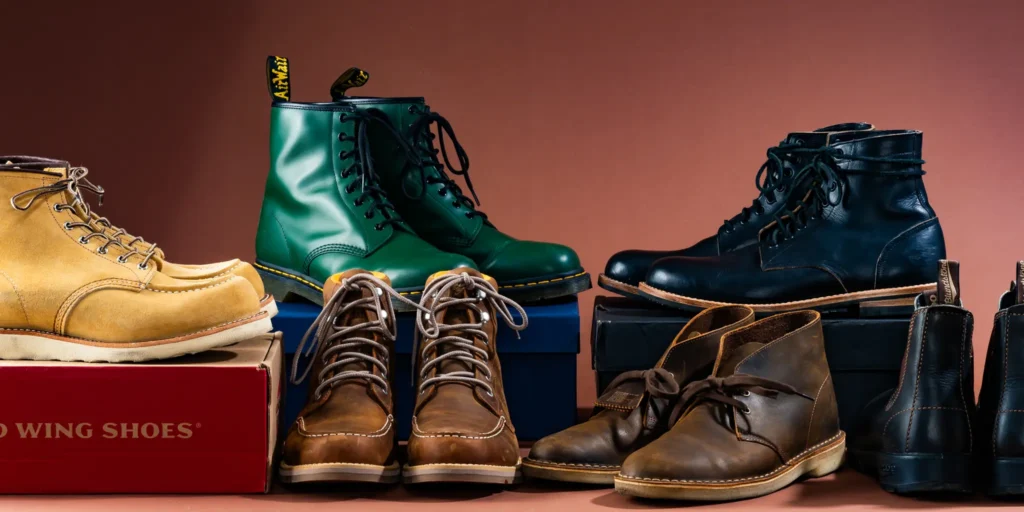
Shoes can lift an outfit faster than any jacket, bag, or watch. The right pair says you understand your day before the day even starts, and Elegant Footwear Choices help that message land without making your outfit feel stiff. For many Americans, daily style now moves between office desks, coffee meetings, school pickups, dinner plans, and airport gates. One pair has to do more than look polished.
That is why smart footwear is no longer about owning the most expensive pair in the closet. It is about knowing which shoes work hard without looking forced. A clean loafer, a refined sneaker, or a low block heel can carry more style weight than a flashy pair that hurts by lunch. Style publications and fashion-focused platforms like modern lifestyle features often point to one truth: premium dressing starts at ground level.
Elegant Footwear Choices That Make Everyday Outfits Feel Finished
A polished outfit can fall apart at the floor. That sounds harsh, but it is true. You can wear a neat blazer, good denim, and a clean shirt, then lose the whole look with tired soles or shoes that do not match the mood of the day.
Why daily shoes need polish without pressure
Great daily shoes do not beg for attention. They give the outfit a clean ending. A brown leather loafer with straight-leg jeans in Chicago, a slim black ballet flat with wide-leg trousers in New York, or a white leather sneaker with chinos in Austin all send the same message: the wearer paid attention.
The mistake many people make is thinking “premium” means formal. It does not. Premium daily shoes are often quiet, wearable, and easy to repeat. The difference sits in the shape, finish, and condition. A sharp toe line can make a basic outfit feel intentional.
Comfort matters here more than most style advice admits. A shoe that pinches changes how you walk, stand, and carry yourself. No outfit looks expensive when the person wearing it looks trapped inside it.
The small details that separate sharp shoes from average ones
Shape is the first giveaway. A shoe with a balanced toe, neat stitching, and a clean side profile often looks better than a trendy pair covered in logos. Americans are dressing with more range now, especially in hybrid work cities where the same outfit may handle a meeting and a casual dinner.
Material comes next. Leather, suede, woven fabric, and smooth technical knits can all look refined when the finish is clean. The problem starts when materials look thin, shiny in the wrong way, or worn past their limit. A scuffed heel can speak louder than a new shirt.
The counterintuitive part is that one restrained pair can feel more stylish than five loud ones. A simple loafer or dress sneaker gives you more control because it does not fight the outfit. It lets your clothes work together.
Matching Shoes to Real American Routines
Daily style lives in real movement, not in staged photos. The best shoes are chosen around the day you have, not the fantasy version of it. That shift changes everything because it puts use, weather, distance, and setting into the decision.
What works for office, errands, and dinner in one day
Many people now need shoes that cross dress codes. A woman heading from a Dallas office to dinner may need a low slingback that works with trousers and a midi dress. A man in Denver may need a suede chukka that looks polished at work but still feels normal at a brewery after hours.
Neutral colors make this easier. Black, tan, cream, navy, and deep brown can move through more outfits than bright seasonal shades. That does not mean color has no place. It means the everyday base should come first.
The smartest move is building around repeat wear. A good pair should handle at least three outfit types before it earns closet space. If it only works with one look, it belongs in the special-event category, not the daily lineup.
Why weather and walking distance matter more than trends
A shoe that works in Los Angeles may fail by noon in Boston snow. A delicate suede mule might look perfect indoors, then become a regret on a rainy Seattle sidewalk. Style has to respect place, or it becomes costume.
Walking distance matters too. Many Americans underestimate how much ground they cover during an average day. Parking lots, office stairs, train platforms, grocery aisles, and evening plans add up. A shoe with cushioning, grip, and a stable base protects both comfort and confidence.
This is where refined sneakers have earned their place. A clean leather sneaker is not lazy when the outfit supports it. Paired with tailored pants, a knit polo, or a relaxed blazer, it can look modern without trying too hard.
Building a Premium Shoe Rotation Without Buying Too Much
A strong shoe wardrobe does not need to be large. It needs range. Too many pairs create clutter, but too few force one shoe to carry every mood, season, and setting. The sweet spot is a rotation that covers your life with room to breathe.
The core pairs that carry most wardrobes
Most people can start with four strong categories. A polished loafer or flat handles smart casual days. A clean sneaker supports walking-heavy plans. A boot covers cooler weather and tougher streets. A dressier option, such as a pump, slingback, oxford, or monk strap, handles elevated settings.
Each pair should earn its place through use. A black loafer that works with denim, trousers, and casual dresses is more valuable than a dramatic shoe worn twice a year. The same goes for men’s footwear. A dark brown derby can work across office pants, chinos, and dark jeans with ease.
One real-world example shows the point. A professional in Atlanta may rotate leather sneakers on Friday, loafers during client meetings, ankle boots in winter, and low heels or dress shoes for events. That small set can cover most weeks without making the closet feel thin.
When to spend more and when to hold back
Spend more on shoes you wear often. Daily pairs take pressure from pavement, weather, and repeated movement. Better construction often means better support, cleaner aging, and fewer replacements over time. Cheap daily shoes can become expensive when they collapse fast.
Hold back on trend pairs. Metallic heels, bold platforms, bright loafers, and sculptural sandals can be fun, but they should not eat the whole budget. Buy them only when your core rotation already works.
The unexpected truth is that maintenance can make mid-priced shoes look premium. Clean soles, conditioned leather, fresh laces, and replaced heel taps can stretch the life of a pair. Care creates style discipline, and style discipline shows.
Styling Shoes So They Look Intentional, Not Random
Shoes should connect to the outfit without matching every piece too closely. That is where many looks go wrong. Perfect matching can feel stiff, while total mismatch can feel careless. The goal is balance.
How color, shape, and proportion change the outfit
Color should echo something in the outfit or sit calmly beneath it. Brown shoes can warm up navy, olive, cream, and denim. Black shoes sharpen gray, white, charcoal, and deeper colors. White sneakers can freshen relaxed tailoring, but only when they are clean.
Shape changes proportion. A slim shoe works well with cropped trousers and narrow hems. A chunkier loafer or boot can balance wider pants, oversized coats, and heavier fabrics. When the shoe shape fights the pant shape, the whole outfit feels off.
This matters in small moments. A wide-leg trouser that pools over a thin flat can look unfinished. The same trouser over a structured loafer or block heel suddenly feels grounded. The shoe did not change the outfit alone; it gave the silhouette a base.
How to avoid the overdone “premium” look
Trying too hard is the fastest way to lose elegance. Heavy logos, shiny finishes, exaggerated shapes, and brand-heavy styling can make daily footwear feel more like proof than taste. Real premium style rarely needs to announce itself.
Texture helps more than branding. Suede with denim, leather with wool, woven sandals with linen, and smooth sneakers with cotton twill create quiet interest. The outfit gains depth without shouting.
The best test is simple. Before leaving, look at the full outfit and ask whether the shoes feel like they belong to the day. Not the trend. Not the photo. The day. That answer usually tells you more than any fashion rule.
Conclusion
Premium style becomes easier when shoes are chosen with honesty. You do not need a closet full of rare pairs or uncomfortable designs to look polished. You need footwear that fits your routine, respects your setting, and supports the clothes you already wear.
The strongest wardrobes are built from repeatable decisions. A clean loafer, a sharp sneaker, a reliable boot, and one dressier pair can cover more ground than a scattered collection of impulse buys. The point is not to dress louder. The point is to dress with control.
That is where Elegant Footwear Choices make the biggest difference. They turn daily outfits into something steadier, cleaner, and more personal. Start by checking the shoes you reach for most, then upgrade the weakest pair first. Your next best outfit may already be waiting in your closet; it only needs the right foundation.
Frequently Asked Questions
What are the best elegant shoes for everyday wear?
Loafers, ballet flats, clean leather sneakers, ankle boots, slingbacks, and simple dress shoes work well for everyday wear. The best pair depends on your routine, but it should feel comfortable, match several outfits, and look polished after repeated use.
How can I make casual shoes look more premium?
Keep them clean, choose simple colors, and pair them with better-fitting clothes. A white leather sneaker can look premium with tailored trousers and a knit top, while the same sneaker may look sloppy with stretched fabric or poor proportions.
Are sneakers acceptable for premium daily style?
Clean, minimal sneakers can work well when the outfit has structure. Leather or suede sneakers in white, black, beige, or navy often pair nicely with chinos, relaxed suits, denim, and casual dresses. Avoid bulky athletic pairs unless the outfit is sport-focused.
What shoe colors match most daily outfits?
Black, brown, tan, cream, white, and navy cover most daily outfits. Brown and tan soften casual looks, while black adds sharper polish. White works best when the shoe stays clean and the outfit feels fresh rather than formal.
How many pairs of shoes does a practical wardrobe need?
Most people can build a strong daily rotation with four to six pairs. A sneaker, loafer, boot, dress shoe, seasonal sandal, and weather-friendly pair can cover work, errands, travel, casual plans, and smarter events without creating clutter.
What makes footwear look expensive?
Clean shape, quality material, neat stitching, good condition, and balanced proportions make footwear look expensive. The brand matters less than how the shoe sits on the foot and how well it connects with the rest of the outfit.
Can comfortable shoes still look stylish?
Comfortable shoes can look stylish when they have a refined shape and clean finish. Low block heels, cushioned loafers, supportive flats, and minimal sneakers prove comfort does not have to look careless. Fit is often the real style secret.
How do I choose shoes for both work and weekend plans?
Pick shoes that sit between formal and casual. Loafers, polished sneakers, ankle boots, and simple flats often move well between work and weekend outfits. Choose neutral colors first, then add personality through texture, shape, or one seasonal accent pair.