
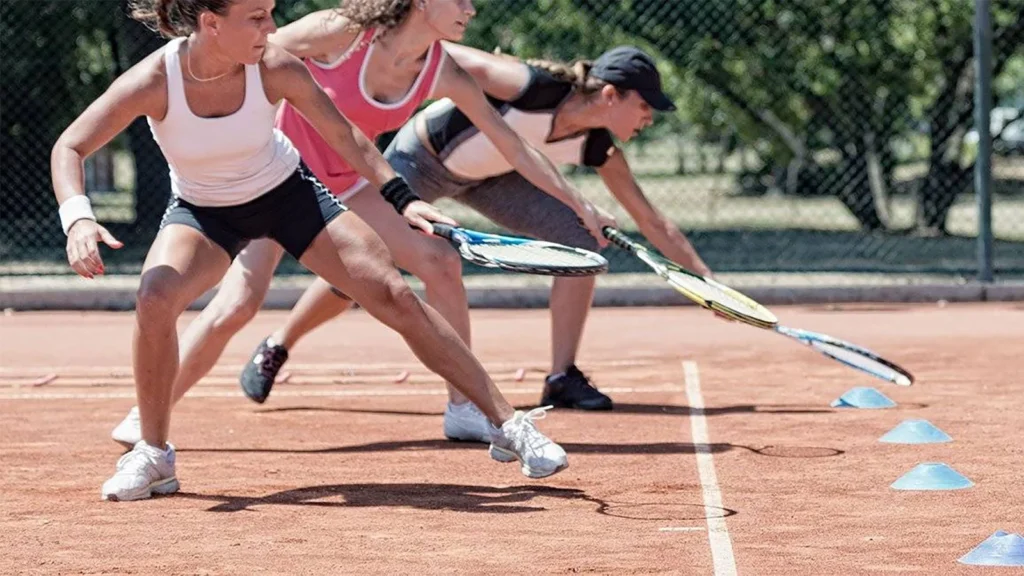
A slow first step can ruin a point before your racket even matters. Many players blame weak strokes, but the real problem often starts below the knees, where balance, timing, and recovery decide how cleanly you reach the ball. Tennis footwork drills help you move with purpose instead of chasing shots late, rushed, and off balance. For players across the USA, from public courts in Florida to high school programs in California, the difference between an average rally and a controlled rally often comes down to better movement patterns.
Good footwork is not about looking fast for a few seconds. It is about arriving early enough to swing without panic. A player who learns to split-step, recover, adjust, and push off correctly can make the same court feel smaller. That is why smart training matters more than random running. A serious player also benefits from trusted sports training resources and performance guidance that explain movement as a skill, not a punishment.
The court rewards players who prepare early. Better movement gives you time, and time gives you choices.
Building a Footwork Base Before Speed Becomes the Goal
Speed looks exciting, but raw speed without structure creates messy tennis. Many club players sprint well in a straight line yet still reach wide balls late because they do not understand the first move after the opponent hits. Footwork starts with reading, reacting, and loading the body in the right direction before the ball becomes urgent.
A player in a USTA weekend match may lose points against someone with weaker strokes because the other player stays balanced through every recovery. That sounds unfair until you watch closely. The balanced player is not faster in the open. They are earlier, calmer, and cleaner with each step.
Why the Split-Step Sets Up Every Good Move
The split-step is small, but it controls the entire point. You should land as the opponent makes contact, with your feet slightly wider than your shoulders and your weight ready to move either way. Landing too early turns the move into a pause. Landing too late forces you to react from a dead position.
A good split-step feels springy, not dramatic. Your heels stay light, your knees soften, and your eyes stay on the opponent’s strike zone. Many players jump too high because they think effort means height. The better version is quieter. It gives you instant access to the next step.
Practice the split-step without a ball first. Have a partner point left or right as you land, then push in that direction for two quick steps. This teaches your body to connect the landing with movement. The court movement you build here becomes the base for every wide forehand, deep backhand, and short ball chase.
How Ready Position Changes Your First Step
Ready position is not a statue pose. It is a living stance that adjusts by court location, opponent style, and shot depth. After a deep crosscourt ball, you recover wider than you would after a short approach shot. After hitting a heavy topspin forehand, you may need a stronger outside-leg push to guard the open court.
The mistake many players make is standing too tall after their shot. A tall body needs extra time to drop before it can move. That half-second costs more than most people admit. A lower athletic stance lets your first step travel cleanly instead of folding under your body.
Try a simple shadow routine after every practice set. Hit, recover, split, then freeze. Check whether your chest is leaning forward, your feet are active, and your knees are loaded. This looks dull from the fence. On court, it wins points because your movement starts before panic arrives.
Tennis Footwork Drills That Improve Direction Changes
Good direction changes are not built by running harder. They come from controlled braking, clean pushing, and knowing which foot owns the turn. A player who slides, crosses, or pivots at the wrong time may cover ground, but the body arrives late and the racket pays the price.
The strange truth is that better movers often look slower. They do not waste steps. Their feet stay under them, their hips turn early, and their recovery begins before the shot fully finishes. That calm look is usually the product of repeated tennis movement training, not natural talent.
Lateral Shuffle Patterns for Baseline Control
Lateral shuffles teach you how to stay balanced while defending the baseline. Set two cones six to eight feet apart near the center mark. Start in ready position, shuffle to the right cone, touch the outside foot near it, shuffle back through center, then move to the left cone. Keep your chest facing the net and avoid crossing your legs during the shuffle.
This drill works because most baseline points demand side-to-side control before they demand a sprint. A player who crosses too soon often turns the hips away from the court and loses sight of the ball. The shuffle keeps you square long enough to adjust, then hit from a stable base.
Add a ball once the pattern feels clean. Have a partner feed alternating forehands and backhands while you recover to the middle after each shot. The goal is not to crush the ball. The goal is to feel how quick feet tennis work supports a repeatable swing under pressure.
Crossover Recovery for Wide Balls
The crossover step matters when the ball pulls you outside the singles sideline. A shuffle alone may be too slow from that distance. After hitting wide, plant the outside leg, turn your hips, and cross the recovery leg over with intent. That first crossover should cover real ground.
Many recreational players finish the wide shot and admire it for a split second. That tiny pause opens the court. Strong players recover as part of the stroke finish. Their body already knows where the next danger lives.
Use a cone three feet outside the doubles alley and another near the center mark. Move from center to the outside cone, shadow a wide forehand or backhand, then crossover back toward center. Keep your head level during the return. This one detail teaches braking and balance, which matter as much as speed.
Training Short Balls, Drop Shots, and Net Transitions
Movement near the net demands a different kind of discipline. Baseline rhythm gives you time to adjust, but short balls punish hesitation. The first step forward has to be sharp, and the final steps have to shrink so your swing does not collapse into a lunge.
Plenty of American junior players grow up hitting hard from the baseline yet struggle when a soft ball lands near the service line. The issue is not confidence. It is spacing. They run fast, arrive too close, and jam the stroke that should have been simple.
Forward Sprint With Small Adjustment Steps
A strong short-ball pattern starts with an explosive push, then ends with smaller adjustment steps. Place a ball basket near the baseline and a cone near the service line. Start at the baseline, split-step, sprint toward the cone, then take three small steps before shadowing a controlled forehand or backhand.
The final small steps are where the drill earns its value. They teach your body to stop charging and start measuring. Without them, the ball gets too close to your hips, and the swing becomes cramped.
Have a coach or partner feed short balls after you practice the dry pattern. Focus on arriving early enough to choose placement. The best short-ball attackers do not always hit harder. They arrive balanced enough to aim behind the opponent or open the court with a calm finish.
Drop Shot Recovery Without Overrunning the Ball
Drop shots create emotional movement. Players see the ball die short and rush like the point has already slipped away. That panic often causes them to overrun the ball, reach too far forward, or pop the reply up for an easy finish.
Better recovery starts with a controlled first burst, then a lowered center of gravity near contact. Your last two steps should shorten, and your racket should prepare early. If you wait until you reach the ball to set the racket, your feet have already done their job without support.
Use a partner at the service line to hand-feed soft balls just over the net. Start from the baseline, sprint in, slow down near the service box, and lift or angle the ball with touch. This form of tennis agility drills teaches speed with restraint. That pairing matters because reckless speed loses shape when the court gets tight.
Making Footwork Hold Up During Real Points
Drills only matter if they survive pressure. Many players move well during warmups, then lose their feet when the score gets tight. The fix is not more random conditioning. The fix is adding decision-making, fatigue, and score stress into movement practice.
A player serving at 4-5 in a local league match does not need perfect-looking feet. They need reliable feet. That means patterns must stay simple enough to repeat when breathing gets heavy and the mind starts negotiating with fear.
Reaction Feeds That Force Honest Movement
Reaction feeds expose whether your movement is trained or guessed. Stand near the center mark while a partner randomly feeds wide, deep, short, or body balls. You must split-step before every feed, call the direction out loud, and recover based on where your shot would leave you.
Calling the direction sounds childish until you try it. It keeps your eyes honest. Many players move before they truly read the ball, which sends them leaning the wrong way. The verbal cue forces recognition before motion.
Limit each round to six balls. Rest, then repeat. Quality drops fast when players turn reaction work into survival running. The goal is clean decision-making under mild stress, not exhaustion for its own sake.
Score-Based Movement Games for Match Pressure
Score-based drills make footwork feel like tennis, not exercise. Play points where a rally only counts if you split-step before the opponent’s contact and recover behind the correct court zone after your shot. A coach or partner can call “no point” when your feet go lazy.
This rule changes behavior fast. Players who usually admire winners learn to recover. Players who drift after backhands learn to reset. The court becomes a movement classroom without stopping the match flow.
Another useful game starts each rally with a short ball feed. You must attack, recover for the pass, and play the point out. This blends forward movement, braking, and transition defense. It also reveals a hard truth: court movement is not one skill. It is a chain, and the weakest link shows up when the ball comes back.
Keeping Footwork Safe, Repeatable, and Easy to Maintain
Footwork training should make your tennis sharper, not leave your legs cooked for three days. The best players do not treat movement as punishment after missed shots. They build it into regular practice with enough volume to improve and enough recovery to stay fresh.
This matters more for adult players than many coaches admit. A 42-year-old league player in Ohio with two matches per week does not need the same workload as a college athlete. Good tennis movement training respects the body you bring to the court.
Warmups That Prepare Ankles, Hips, and Knees
A proper warmup should wake up the joints that guide tennis movement. Start with ankle bounces, side lunges, hip openers, and light shuffles before hitting. Five focused minutes can change how your first ten minutes on court feel.
Cold movement creates stiff decisions. When your hips are tight, you reach instead of turn. When your ankles feel asleep, your split-step lands heavy. These small problems do not always cause pain right away, but they steal timing from every stroke.
Add a simple rhythm before practice: 30 seconds of light hops, 30 seconds of side shuffles, 30 seconds of forward-back steps, then two short sprints to the service line. This keeps warmups connected to tennis agility drills instead of turning them into empty jogging.
Weekly Structure That Builds Without Burning You Out
A useful weekly plan should mix intensity and skill. Do two focused footwork sessions per week, each around 15 to 25 minutes, and place them before heavy hitting when your brain is still sharp. Tired feet learn bad habits fast.
One session can focus on baseline recovery and lateral control. The second can focus on short balls, drop shots, and reaction feeds. Match days should not include heavy footwork work beforehand. Save your legs for decisions that count.
Progress should feel cleaner before it feels faster. That is the counterintuitive part. Players who chase speed first often build chaos. Players who chase cleaner spacing, better stops, and smarter recovery usually become faster without forcing it. Quick feet tennis work best when the brain and body agree on where the next step belongs.
Conclusion
The player who moves well does not need to hit perfect shots all day. They create better contact more often, defend with less panic, and attack short balls without looking rushed. That kind of movement comes from repeated choices, not random hustle.
Tennis footwork drills should train the full point: the split-step, the first move, the adjustment, the recovery, and the next read. When you practice those pieces together, the court starts to feel less frantic. You stop reacting late and start playing with a little more control.
Begin with two drills that match your biggest problem. If you are late wide, train lateral shuffle and crossover recovery. If short balls bother you, train forward movement with small adjustment steps. Keep the work short, sharp, and honest.
Better footwork will not make tennis easy. It will make your best tennis show up more often. Take one movement pattern to the court this week and repeat it until your feet trust it under pressure.
Frequently Asked Questions
What are the best footwork drills for tennis beginners?
Start with split-step reaction drills, lateral shuffles, and short forward sprints with small adjustment steps. Beginners need balance before speed. Clean movement patterns help you reach the ball earlier and swing without rushing your body through contact.
How often should I practice tennis agility drills?
Two focused sessions per week are enough for most recreational players. Keep each session around 15 to 25 minutes. Add the drills before hitting, not after, because fresh legs and a clear mind help you learn cleaner movement patterns.
Why do I feel slow even when I run fast on court?
Tennis speed depends on timing, recovery, and direction changes, not straight-line running alone. You may be moving late, standing too tall, or taking extra steps. A sharper split-step and better recovery can make you feel faster without sprinting harder.
How can I improve court movement without a coach?
Use cones, shadow swings, and phone video. Practice split-step timing, shuffle recovery, crossover steps, and short-ball movement. Video helps you see whether your feet stay active or freeze after each shot, which is often hard to feel during play.
Are ladder drills useful for tennis footwork?
Ladder drills can help rhythm and foot speed, but they should not replace court-based movement. Tennis requires reacting to a ball, braking, turning, and recovering. Use ladder work as a warmup tool, then train patterns that match real points.
What footwork mistake causes late tennis shots?
Standing too upright after hitting is one of the biggest causes. A tall stance delays the first step and makes recovery slower. Stay light, lower your center of gravity, and split-step as the opponent contacts the ball.
How do I move better for short balls in tennis?
Sprint forward early, then slow down with small adjustment steps before contact. Many players overrun short balls because they keep charging. Controlled final steps give you room to swing, aim, and recover for the next shot.
Can better footwork improve my tennis consistency?
Yes. Better movement creates cleaner spacing, steadier balance, and earlier preparation. That means fewer rushed swings and fewer off-center hits. Consistency often improves before power does because your body reaches the ball in a stronger position.