
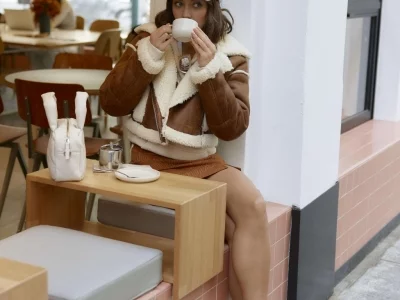
A strong closet does not start with more clothes. It starts with better choices. Classic wardrobe staples give you the kind of everyday fashion that works on a rushed Monday, a casual Saturday, and a dinner where you want to look polished without looking overdone. Most Americans do not need a closet packed with trend pieces that expire after one season. They need reliable items that carry weight, fit well, and make getting dressed feel less like a daily negotiation. A crisp shirt, dark denim, clean sneakers, a good blazer, and a neutral coat can do more than a crowded rack of impulse buys. Style gets easier when your clothes speak the same language. That is why smart shoppers, editors, and style-focused platforms like modern lifestyle publishing keep coming back to the same idea: the best outfits often begin with the simplest pieces. The trick is not dressing plain. The trick is owning pieces that let your personal style show without forcing every outfit to work so hard.
Why Classic Wardrobe Staples Build Better Everyday Style
A closet with direction gives you freedom. That sounds backward at first, because people often think more options mean better style. The opposite is usually true. Too many random pieces make mornings messy, while classic wardrobe staples create a base that lets every outfit feel intentional.
The Real Value of Clothes That Do Not Fight Each Other
Good basics behave well together. A white button-down works with jeans, trousers, skirts, loafers, sneakers, and even a slip dress. That flexibility matters in real American routines where one day can move from school drop-off to office hours to a grocery run without a full outfit change.
This is where many closets fail. One printed blouse may look great with one pair of pants, but it has nowhere else to go. A navy crewneck sweater, on the other hand, can sit under a trench coat, over a collared shirt, or with straight-leg denim. Quiet pieces often work hardest.
A practical example is the black blazer. In New York, it may lean sharp with trousers and leather flats. In Austin, it may sit over a cotton tee with relaxed jeans. In Chicago, it may layer under a wool coat for half the year. One piece changes tone by city, climate, and lifestyle without losing its purpose.
Why Fewer Pieces Can Create More Outfits
A smaller closet becomes stronger when each item earns its place. Ten well-chosen pieces can make more wearable outfits than thirty pieces bought without a plan. The difference is connection. When colors, shapes, and fabrics relate to each other, combinations multiply.
Counterintuitive as it sounds, restraint can make personal style more visible. When your closet stops shouting with one-off trends, your choices become clearer. You notice whether you like sharp collars, soft knits, relaxed denim, structured jackets, or clean shoes. Style starts showing through the pattern.
Essential wardrobe basics also protect you from panic shopping. When you already own the right base layer, you do not buy another cheap top because you have “nothing to wear.” You build around what works. That habit saves money, space, and patience.
Choosing Classic Clothing Pieces That Fit Real Life
Strong style has to survive ordinary days. A piece that only works in perfect lighting or for one carefully styled photo is not doing enough. Classic clothing pieces should support how you live, not how a store display imagines you live.
Start With the Pieces You Reach For Under Pressure
Your most useful clothes reveal themselves when time is short. Notice what you grab when you have fifteen minutes before leaving. Those are the pieces that make you feel safe, sharp, and ready. They deserve better versions, not replacements with louder trends.
For many people, that list includes dark jeans, a white tee, a soft sweater, black trousers, a denim jacket, or a clean pair of sneakers. None of these sound dramatic. That is the point. Their power comes from repetition, comfort, and trust.
A nurse in suburban Ohio, a remote worker in Denver, and a small business owner in Atlanta may all need different levels of polish. Still, each one benefits from clothes that move easily across errands, casual meetings, and weekend plans. Versatility beats novelty almost every time.
Fit Matters More Than the Label on the Tag
A modest piece with great fit will beat an expensive piece with poor proportions. Sleeves that land correctly, shoulders that sit cleanly, and pants that break at the right point make clothes look considered. Bad fit makes even good fabric look careless.
This does not mean everything has to be tight or tailored. Relaxed clothing can look polished when the proportions are controlled. Wide-leg trousers need the right waist and length. Oversized shirts need intentional drape, not sloppy bulk. A cardigan should feel easy, not stretched and tired.
Timeless everyday fashion depends on this quiet discipline. You can wear the simplest outfit in the room and still look best dressed if the fit respects your body. That is not glamour. That is judgment.
Building Outfits Around Essential Wardrobe Basics
A strong outfit usually has a center of gravity. It may be a jacket, a shoe, a color, or a clean silhouette. Essential wardrobe basics make that easier because they give the outfit a stable foundation before you add personality.
Use Neutrals as the Framework, Not the Whole Story
Neutral colors make daily dressing easier because they lower friction. Black, white, navy, gray, camel, denim blue, olive, and cream work across seasons and settings. They also make it easier to repeat clothes without feeling like you are wearing the same outfit every day.
Still, a neutral closet should not feel lifeless. Texture keeps it human. A cotton tee, ribbed knit, wool coat, leather belt, canvas sneaker, and denim jacket may all sit in quiet colors, but they do not read the same. Texture creates depth without noise.
A useful example is a cream sweater with straight denim and brown loafers. Add a camel coat, and it feels classic. Swap loafers for white sneakers, and it becomes casual. Add a silk scarf or gold hoops, and the outfit gains personality without losing ease.
Let One Piece Carry the Mood
Every outfit does not need five interesting details. One strong choice is enough. A striped shirt, leather belt, suede boot, red flat, structured bag, or vintage watch can shift the whole feeling of an outfit while the rest stays simple.
This is where versatile outfits become more personal. The same black trousers can look professional with a blazer, relaxed with a sweatshirt, and elegant with a tucked knit and pointed flats. The base stays steady. The mood changes through styling.
Most people make outfits harder by trying to make every item special. That creates competition. A better method is to let one piece lead and let the rest support it. Quiet support is still style.
Keeping Classic Wardrobe Staples Fresh Over Time
The best closet is not frozen. It evolves slowly. Classic pieces stay useful because they can adjust with shoes, proportions, grooming, and small styling choices. That is how you avoid looking dated while still avoiding trend-chasing.
Update the Shape Before Replacing the Whole Closet
Fashion changes most clearly through silhouette. Jeans rise and fall. Blazers widen or narrow. Shoes get chunkier or sleeker. You do not need to replace everything when trends shift. Often, one updated shape makes the older pieces feel current again.
A person who owns a good white shirt, navy sweater, and trench coat may only need a newer denim cut to refresh the full closet. Straight-leg jeans, relaxed trousers, or a longer coat can pull familiar pieces into the present. Small adjustments do the work.
Classic clothing pieces should not become costume pieces. A blazer from ten years ago may still be useful, but the sleeve length, shoulder line, or button stance might need attention. Tailoring can save a piece from retirement when the fabric still has life.
Care Is Part of Style, Not a Side Task
Clothes last longer when they are treated like tools worth maintaining. Sweaters need folding, not hanging. Shoes need cleaning before damage sets in. Denim needs less washing than people think. Coats need proper storage when the season ends.
This is the unglamorous side of style, but it separates a polished closet from a tired one. A lint brush, steamer, shoe wipes, cedar blocks, and a good hanger can change how your clothes look day after day. Maintenance gives simple pieces authority.
There is also a financial truth here. A $90 sweater worn fifty times costs less per wear than a $25 trend top worn twice. The better buy is not always the cheaper one. The better buy is the one that keeps showing up.
Frequently Asked Questions
What are the most important classic clothing pieces for everyday outfits?
Start with a white shirt, dark jeans, neutral trousers, a blazer, a simple sweater, clean sneakers, loafers, and a good coat. These pieces work across casual, work, and weekend settings, which makes them easier to repeat without feeling boring.
How many essential wardrobe basics does one closet need?
Most people can build a strong daily closet with 15 to 25 reliable pieces. The exact number depends on climate, work dress code, and laundry habits. Focus on pieces that mix well instead of chasing a fixed number.
What colors work best for timeless everyday fashion?
Black, white, navy, gray, camel, cream, olive, and denim blue are the easiest starting points. These colors pair well across seasons and give you room to add personal accents through shoes, bags, jewelry, or one statement piece.
How can I make simple wardrobe staples look stylish?
Fit, texture, and styling do most of the work. Tuck a shirt cleanly, roll sleeves with purpose, add a belt, choose better shoes, or layer a jacket. Small decisions make basic clothes look intentional instead of plain.
Are expensive clothes necessary for a classic wardrobe?
Price helps only when it brings better fabric, fit, or construction. Many strong pieces exist at mid-range prices. Spend more on items you wear often, such as coats, shoes, denim, and sweaters, and save on pieces that see lighter use.
How do I avoid looking boring in classic outfits?
Use one detail to create interest. A sharp shoe, textured knit, striped shirt, bold lip, clean watch, or structured bag can shift the whole outfit. Classic style works best when the base is calm and one element adds personality.
What wardrobe staples work for both office and weekend wear?
Blazers, dark jeans, loafers, button-down shirts, knit tops, trench coats, and tailored trousers can move between both settings. The styling changes the mood. Add sneakers for weekends or polished shoes and a belt for work.
How often should I replace essential wardrobe basics?
Replace them when fit, fabric, or condition no longer supports your style. Some pieces last years with care, while tees and everyday shoes wear faster. Review your closet each season and repair, tailor, or replace only what no longer works.