
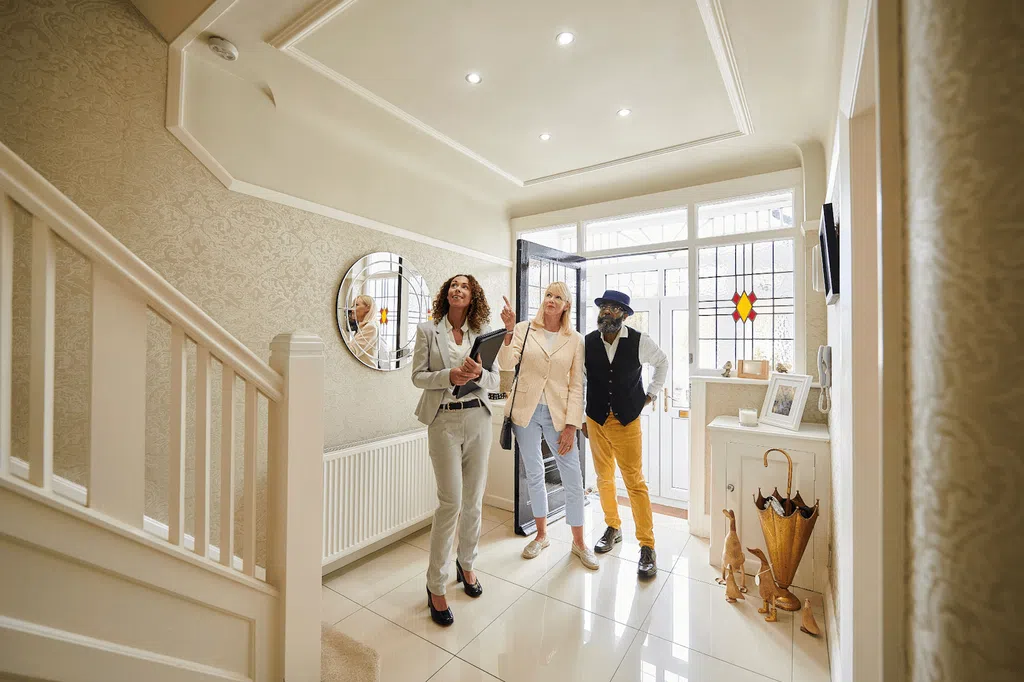
A buyer decides how a home feels long before they ask about the roof age or school district. That first walk from the curb to the front door can raise confidence or quietly kill it. Smart Open House Tips matter because buyers in the USA often compare several homes in one weekend, and the smallest friction can push yours to the bottom of the list.
A strong open house does not mean tricking people with candles, music, and fresh paint. It means removing doubt before doubt has time to grow. The home should feel clean, easy to understand, and priced like the seller respects the market. Sellers who study real estate visibility and property marketing usually see the same pattern: buyers respond when a home feels cared for, not staged to hide problems.
The real goal is simple. Make the buyer feel safe enough to picture a next step.
Open House Tips That Shape the First Five Minutes
The first five minutes carry more weight than most sellers admit. Buyers may stay longer, ask polite questions, and take another lap through the kitchen, but their emotional read often starts at the driveway. That early impression works like a filter. Once a home feels neglected, every small flaw looks bigger.
How can curb appeal influence buyer interest before entry?
Curb appeal is not about making a house look like a magazine cover. It is about proving the seller has paid attention. A trimmed lawn, clean walkway, working porch light, and fresh house numbers tell buyers the home has been handled with care.
A small fix can change the tone fast. In a typical Ohio suburb, a buyer pulling up to two similar homes may remember the one with clean mulch and a swept porch more clearly than the one with a larger living room. That sounds unfair. It is also how people shop.
Why should the entryway feel calm and uncluttered?
The entryway should give buyers room to breathe. Shoes, coats, pet items, mail piles, and bulky furniture make the home feel smaller before the tour begins. Buyers rarely say that out loud, but they feel it.
A clear entry sets pace. One simple bench, a clean rug, and open sightlines can make the home feel easier to walk through. That matters because house showing moments work best when buyers move naturally instead of feeling guided through tight spaces.
Preparing Each Room So Buyers Can Picture Their Own Life
Once buyers move past the first impression, they start testing the home against daily life. They are not only asking whether the rooms look nice. They are asking whether their furniture fits, whether mornings would feel rushed, and whether the home has enough storage for ordinary mess.
What home staging choices help rooms feel larger?
Home staging should remove confusion, not add drama. Oversized furniture, heavy curtains, crowded shelves, and too many personal photos can shrink a room in the buyer’s mind. The goal is to show shape, light, and function.
A small dining room, for example, often looks better with four chairs instead of six. That choice does not hide the room’s size. It helps buyers read it correctly. Good staging is honest. It shows the room at its best without pretending it is something else.
How do neutral details make real estate buyers feel comfortable?
Neutral details lower emotional resistance. Soft wall colors, clean bedding, simple art, and clear counters help real estate buyers focus on the home instead of the seller’s taste. That does not mean the space should feel empty or cold.
The mistake many sellers make is removing all warmth. A home still needs texture, comfort, and a little life. A folded throw, a plant near a window, or a clean coffee table book can make the room feel finished without turning it into someone else’s story.
Building Trust Through Cleanliness, Repairs, and Honest Details
A buyer may love the layout and still walk away if the home feels poorly maintained. Trust does not come from perfection. It comes from consistency. When every room looks cared for, buyers stop hunting for trouble and start thinking about an offer.
Which small repairs should sellers handle before the open house?
Small repairs speak louder than sellers expect. A loose cabinet handle, dripping faucet, cracked switch plate, or squeaky door can make buyers wonder what else has been ignored. These items may cost little, but they carry emotional weight.
One broken blind will not ruin a sale. Several small defects might. Buyers often connect patterns faster than sellers do. When minor problems show up in every room, the house begins to feel tired, even if the major systems are sound.
Why does deep cleaning matter more than decoration?
Deep cleaning beats decoration because buyers trust cleanliness more than style. Clean baseboards, spotless windows, fresh grout, and dust-free vents signal care in a way throw pillows never can. A clean home feels easier to inspect and easier to believe.
Kitchens and bathrooms deserve extra attention. Buyers in American markets often judge maintenance through these spaces because they are expensive to update. If the sink shines, the caulk looks fresh, and the counters are clear, the buyer relaxes a little. That small shift can change the whole visit.
Guiding the Open House Without Pressuring Buyers
The best open house experience feels guided but not controlled. Buyers need space to talk, compare, question, and return to rooms that caught their attention. Pressure breaks that rhythm. Confidence improves it.
How should sellers manage flow during a house showing?
The tour path should feel natural. Open doors, turn on lights, clear hallways, and keep key rooms easy to enter. Buyers should not need to squeeze around furniture or ask whether a basement, garage, or closet is okay to view.
Printed feature sheets help, too. A buyer may forget the new water heater, updated HVAC, or HOA fee after visiting four homes. A simple sheet keeps facts in their hand without forcing an agent to repeat every detail. That quiet support can raise buyer interest after they leave.
What should agents say without sounding pushy?
Agents should answer directly and then step back. Buyers dislike being followed from room to room with a sales pitch. They want useful facts, not constant persuasion. A calm agent can point out recent upgrades, neighborhood strengths, and offer deadlines without making the home feel like a trap.
The stronger move is listening. If buyers mention remote work, an agent can point out the quiet bedroom that fits a desk. If they talk about kids, the fenced yard becomes relevant. Good selling does not feel loud. It feels accurate.
A successful open house is not built from one grand gesture. It comes from dozens of small choices that lower doubt, protect attention, and help buyers imagine ownership. Sellers who use Open House Tips with discipline understand that buyers are not only judging square footage. They are reading care, comfort, and risk in every room.
The smartest next step is to walk through the home like a buyer who has no emotional attachment to it. Notice the smell, the light, the noise, the clutter, the repairs, and the small signals you usually ignore. Fix what breaks trust first. Style comes second. When the home feels honest, clean, and easy to understand, buyers stay longer for the right reason. Prepare the house so the next visitor does not need convincing.
Frequently Asked Questions
How early should sellers prepare for an open house?
Start at least two weeks before the open house. That gives you time for repairs, cleaning, decluttering, yard work, and staging decisions without rushing. Last-minute prep often misses small issues that buyers notice fast.
What should not be left out during an open house?
Remove personal documents, prescription bottles, valuables, family photos, political items, pet supplies, and cluttered paperwork. Buyers should focus on the home, not private details. A cleaner space also protects your privacy during heavy foot traffic.
Do candles help during an open house?
Candles can backfire if the scent feels strong or artificial. A clean, fresh-smelling home works better than a heavily scented one. Open windows before showings when weather allows, and handle odor sources instead of covering them.
Should homeowners stay during an open house?
Homeowners should leave during the open house. Buyers feel more comfortable opening closets, discussing concerns, and giving honest feedback when the seller is not present. An agent can manage questions without creating awkward pressure.
What rooms matter most to buyers at an open house?
Kitchens, bathrooms, living areas, primary bedrooms, and outdoor spaces usually get the most attention. Buyers often connect these rooms to daily routines, repair costs, and comfort. Cleanliness and function matter more than fancy styling.
How can sellers make a small home feel bigger?
Remove oversized furniture, clear walkways, use light window treatments, open blinds, and reduce visual clutter. Buyers need to see floor space and movement. A small home can feel comfortable when every room has a clear purpose.
Are refreshments necessary at an open house?
Refreshments are optional and rarely influence serious buyers. Bottled water can be helpful, especially in warm states, but snacks should not distract from the home. Clean presentation and easy movement matter far more than food.
What is the biggest mistake sellers make before an open house?
The biggest mistake is preparing for appearance while ignoring trust. Buyers notice odors, unfinished repairs, dirty corners, and confusing rooms. A home that feels cared for will outperform one that only looks decorated.