
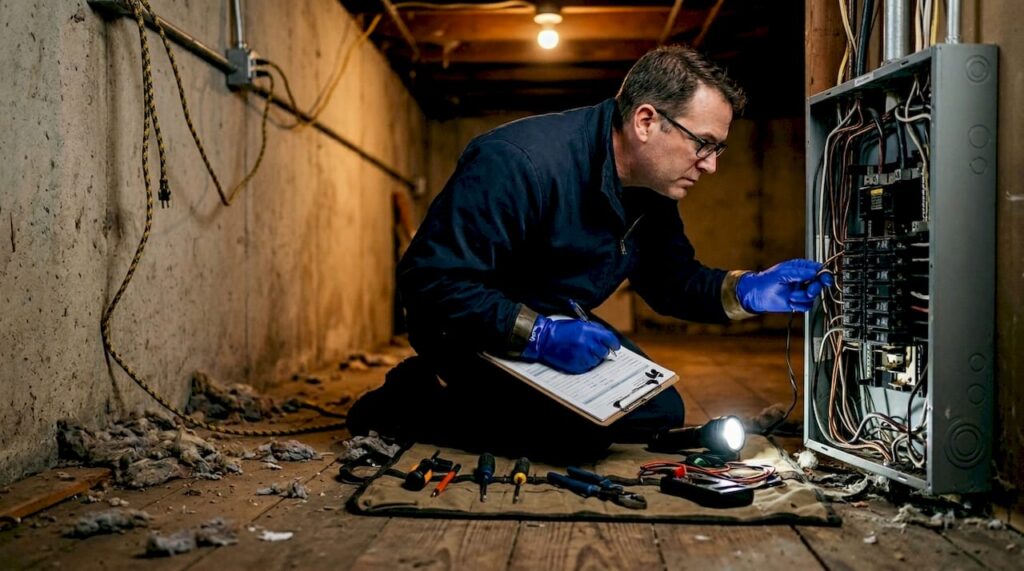
A house can look calm on a sunny Saturday showing and still hide problems that chew through a buyer’s savings after closing. That is why home inspection tips matter before you fall in love with fresh paint, staged furniture, or a kitchen that smells like lemon cleaner. In the U.S., buyers often move fast because a good listing can pull several offers in a weekend. Speed helps you compete, but blind speed is where regret starts.
A smarter buyer treats the inspection as a pressure test, not a formality. You are not looking for a perfect house. Perfect houses do not exist, even when the listing photos pretend otherwise. You are looking for the truth about structure, safety, systems, moisture, and repair costs. A calm report can confirm your choice. A rough report can give you room to negotiate. Either way, trusted real estate visibility and buyer education resources can help you think like a careful owner before you sign like an excited one.
Reading the House Before the Inspector Arrives
A good inspection begins before anyone opens a tool bag. The property has already been speaking through its age, setting, maintenance history, and small signs of stress. Buyers who learn to notice those signals walk into the formal property inspection with sharper questions and fewer surprises.
Why Curb Appeal Can Distract From Serious Defects
Fresh mulch, new shutters, and a clean porch can change your mood before you step inside. Sellers know this. Good agents know it too. None of that makes the house dishonest, but it can pull your attention toward style while older problems sit quietly behind the scenes.
Start outside and slow down. Look at how water moves around the home, because water is often the first villain in American housing. A flat yard near the foundation, clogged gutters, peeling trim, or soil sloping toward the basement wall can matter more than a new backsplash. In many Midwest and East Coast neighborhoods, one bad drainage pattern can create years of damp basement smell.
The counterintuitive part is simple: the prettiest exterior sometimes needs the hardest look. A neglected home may tell the truth loudly. A polished home may hide it better. That does not mean you should distrust every update, but you should make the inspector explain what sits beneath the surface.
How Age Changes the Questions You Should Ask
Every house has an era, and that era shapes the risk. A 1920s bungalow in Ohio may have charm, thick trim, and old framing that has outlasted several owners. It may also have knob-and-tube wiring remnants, aging sewer lines, or insulation gaps that turn winter heating into a monthly argument.
Newer homes deserve pressure too. A 2018 subdivision house in Texas may look safer on paper, yet rushed construction can leave weak attic ventilation, poor grading, or sloppy flashing around windows. Age does not decide quality by itself. Workmanship, maintenance, and local climate tell the better story.
Ask the seller for ages of the roof, HVAC system, water heater, major appliances, panel upgrades, and any permits tied to additions. Then compare those answers with what the inspector sees. A buyer who connects paperwork to physical evidence gains power. A buyer who accepts vague answers inherits vague problems.
Home Inspection Tips That Protect Your Budget
The inspection report is not only about safety. It is also a financial map. Repairs do not hit all at once in the report, but they can hit that way in real life when the furnace fails, the roof leaks, and the panel needs work during the same first year.
Which Repairs Deserve Immediate Attention
A chipped tile should not carry the same weight as a cracked heat exchanger. Buyers sometimes panic over cosmetic issues because they are easy to see, then miss the expensive systems that keep the home safe and livable. That is backward.
Focus first on roof condition, foundation movement, electrical safety, plumbing leaks, HVAC performance, moisture damage, and signs of pest activity. These items can affect insurance, financing, comfort, and resale value. A stained ceiling under an upstairs bathroom deserves more concern than a dated vanity. A warm outlet deserves more urgency than scratched flooring.
A strong home inspection checklist separates “annoying” from “costly.” In a real purchase, that difference matters. A $600 repair after closing is irritating. A $14,000 roof surprise can change how you feel about the entire deal.
Why Cheap Fixes Can Signal Expensive Habits
Small repairs tell a story about the owner’s standards. A crooked patch in drywall, mismatched plumbing parts, loose deck railings, or caulk smeared over a window leak may not destroy a deal. Still, these fixes hint at how the house has been treated when nobody was watching.
That is where buyers need discipline. Do not argue over every small defect. Instead, ask what pattern the defects create. One sloppy repair is a note. Five sloppy repairs become a character witness. A house that has been patched instead of maintained may keep asking for money after you move in.
This is the part many first-time buyers miss: cheap work can be more expensive than no work. Bad repairs often have to be removed before proper repairs begin. That means you pay once for the old mistake and again for the correct solution.
Inspecting Safety, Systems, and Everyday Livability
A safer purchase is not only about avoiding disaster. It is about knowing how the home will feel on an ordinary Tuesday night. A house can pass the emotional test during a showing and still fail the daily living test once you rely on its wiring, water pressure, heating, cooling, and ventilation.
What Electrical and Plumbing Clues Reveal
Electrical issues deserve respect because they affect both safety and future upgrades. Look for flickering lights, warm switch plates, missing GFCI outlets near water, double-tapped breakers, exposed wiring, or an undersized panel. Older homes may need upgrades before they can support modern appliances, home offices, EV charging, or heavy kitchen use.
Plumbing has its own language. Low water pressure, slow drains, stains under sinks, loose toilets, and old supply lines can point toward deeper trouble. In some U.S. cities, older sewer laterals create costly surprises that never appear in a clean bathroom photo. A sewer scope may feel like an extra expense, but in older neighborhoods it can be one of the smartest checks you buy.
A careful buyer inspection process gives these systems the attention they deserve. You are not trying to become an electrician or plumber in one afternoon. You are trying to learn where a licensed specialist may need to step in before the contract moves forward.
How Comfort Problems Become Ownership Problems
Comfort defects often hide behind mild weather. A house shown in April may feel pleasant because the furnace and air conditioner are barely working. That same house can feel brutal in August if attic insulation is thin, ducts leak, or the AC is near the end of its life.
Ask the inspector to explain ventilation, insulation, thermostat response, visible duct condition, and HVAC age. A loud system, uneven room temperature, or heavy dust around vents can point toward poor performance. In hot states like Arizona, Georgia, and Florida, cooling is not a bonus. It is part of whether the home works.
The unexpected truth is that comfort issues can become resale issues. Future buyers will notice the bedroom that never cools, the basement that smells damp, or the upstairs that bakes every summer. Livability today becomes marketability later.
Turning the Inspection Report Into a Confident Decision
The report can feel overwhelming because inspectors document defects in plain, sometimes alarming language. That does not mean the house is bad. It means the house has been examined. Your job is to sort the report into safety concerns, cost concerns, negotiation points, and items you can handle after closing.
How to Read the Report Without Panicking
Inspection reports often look worse than the house feels. That is normal. A careful inspector records small defects, maintenance notes, safety warnings, and major concerns in one document. Buyers who read every item with the same emotional weight can talk themselves out of a solid home.
Group findings by urgency. Safety hazards, active leaks, structural movement, major system failures, and potential mold or pest conditions go at the top. Maintenance items sit lower. Cosmetic defects sit lower still. This simple sorting method helps you stay calm when the report runs 45 pages.
A second home inspection checklist after the report can help you organize next steps. Mark what needs a contractor quote, what needs seller repair, what supports a price credit, and what you can schedule after move-in. The goal is not fear. The goal is control.
When to Negotiate, Walk Away, or Move Forward
Negotiation should match the size of the problem. Asking for every loose hinge and missing outlet cover can weaken your position. Asking for help with a failing roof, unsafe wiring, active water intrusion, or a dead HVAC system is reasonable. Sellers respond better when your requests feel focused and supported by the report.
Sometimes the best move is walking away. Foundation movement with unclear repair costs, major unpermitted work, repeated water damage, or unsafe electrical work can turn a dream home into a financial trap. No address is special enough to ignore evidence that the numbers no longer make sense.
Other times, the right decision is to move forward with eyes open. A house with an aging water heater, minor grading work, and a few outlet fixes may still be a strong buy if the price, location, and bones are right. A safer home purchase comes from judgment, not perfection.
The smartest buyers do not use inspections to kill deals. They use them to remove fantasy from the deal. Once fantasy is gone, the decision gets cleaner.
A house becomes safer to buy when you stop treating the inspection as a pass-or-fail event and start treating it as your first lesson in ownership. The report shows you what the home needs, what it may cost, and where your attention should go during the first year. Strong home inspection tips help you see beyond the listing glow and into the real condition of the place you may soon trust with your family, savings, and daily life.
The best next step is simple. Attend the inspection when possible, ask plain questions, take your own notes, and request clear estimates for anything that could change the deal. Do not chase a flawless report. Chase a truthful one. A home with known flaws can still be a smart purchase, but a home with ignored flaws rarely stays kind for long. Choose the house that still makes sense after the truth is on the table.
Frequently Asked Questions
What should buyers look for during a home inspection?
Focus on roof condition, foundation signs, electrical safety, plumbing leaks, HVAC age, drainage, moisture, pests, and visible structural concerns. Cosmetic flaws matter less than systems that affect safety, repair cost, insurance, or long-term ownership comfort.
How long does a typical property inspection take?
Most inspections take two to four hours, depending on the home’s size, age, condition, and access. Larger homes, older homes, crawl spaces, detached garages, and extra systems can add time because the inspector has more areas to examine.
Should I attend the buyer inspection process in person?
Yes, attending helps you understand the report better. You can see defects firsthand, ask follow-up questions, and learn basic maintenance details. Reading a report later is useful, but walking the house with the inspector gives context that photos often miss.
Can a house fail a home inspection?
A standard inspection does not usually give a pass-or-fail grade. It identifies defects, safety concerns, and maintenance needs. The buyer decides whether to continue, negotiate, request repairs, seek credits, or walk away based on the findings.
What is included in a home inspection checklist?
A strong checklist covers the roof, attic, foundation, basement, crawl space, exterior, plumbing, electrical panel, outlets, HVAC system, water heater, windows, doors, appliances, drainage, stairs, railings, and visible safety concerns throughout the home.
When should buyers request seller repairs?
Request repairs when defects affect safety, structure, major systems, active leaks, or financing concerns. Small cosmetic issues are usually better handled after closing. Strong repair requests are specific, documented, and tied directly to the inspection report.
Is a sewer scope worth it for older homes?
A sewer scope is often worth it for older properties, especially in neighborhoods with mature trees or aging underground lines. Sewer repairs can cost thousands, and a standard inspection may not reveal hidden pipe damage beneath the yard.
How can inspection results support a safer home purchase?
Inspection results help buyers understand risk before closing. They reveal repair needs, safety hazards, system age, and hidden defects. With that information, you can negotiate better, plan future maintenance, or leave a deal that no longer fits your budget.