
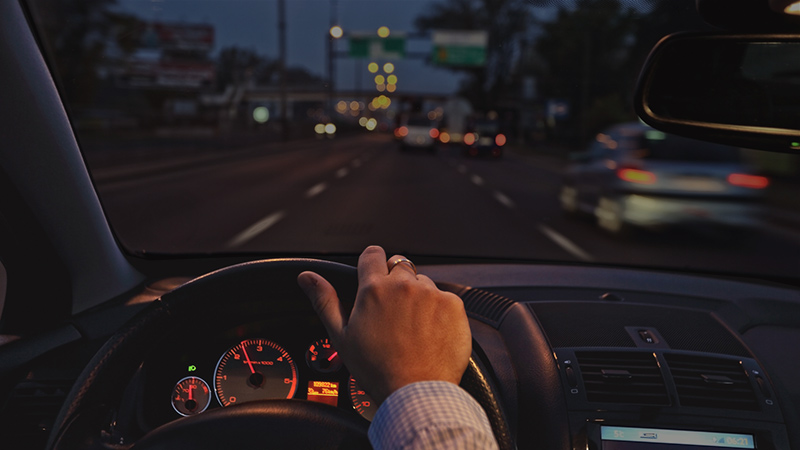
A dark two-lane road can expose every weak spot in your car faster than any dashboard warning light. For American drivers who deal with early winter sunsets, rural highways, deer crossings, rain glare, and long commutes, headlight maintenance is not a cosmetic chore; it is part of staying alive after sundown. A car can have fresh tires, good brakes, and a strong engine, yet still feel unsafe if the road ahead looks dull, yellow, or patchy.
Good lighting gives you time. Time to spot a stalled pickup on the shoulder. Time to notice a cyclist near a suburban curb. Time to react when a wet lane line disappears under glare. That is why many drivers treat visibility checks as part of a broader vehicle safety routine instead of waiting until a bulb dies. Headlights age slowly, which makes the problem easy to miss. One evening, the beam looks normal. Months later, you are leaning forward over the wheel, wondering why the road feels farther away than it should.
Why Headlight Maintenance Protects More Than the Road Ahead
Night visibility is not only about how far your headlights shine. It is about how clearly your brain reads distance, shape, movement, and contrast when the road gives you less information than daylight does. A weak beam makes every decision slower, and slow decisions behind the wheel can get expensive fast.
Small Light Losses Create Big Driving Strain
A headlight does not need to fail completely before it becomes a problem. A cloudy lens, aging bulb, weak electrical connection, or poor aim can lower visibility one piece at a time. You may still see the road, but you see it later, with less detail and more effort.
That extra effort matters during night driving visibility because your eyes already work harder after dark. On a dry Phoenix freeway, dim lighting may feel annoying. On a rainy Pennsylvania back road with black pavement and no streetlights, the same dim beam can turn every curve into a guess.
Drivers often blame their own eyesight first. Sometimes that is fair. But many cars on American roads have lenses that have been sun-baked for years, especially in states like Florida, Texas, Arizona, and California. The plastic turns hazy before the driver notices the loss.
The counterintuitive part is simple: headlights can look bright when you stare at them from the front and still perform poorly on the road. Brightness at the lens is not the same as useful light on pavement.
Your Headlights Also Tell Other Drivers What to Expect
Headlights do more than help you see. They help others judge your speed, lane position, and direction. If one bulb is weak or one beam points too high, every driver around you gets worse information.
A misaligned beam can blind oncoming traffic while leaving your own lane underlit. That is a bad trade. You may think you upgraded your visibility, but you may have created glare that makes someone else drift toward the shoulder.
Clean headlights also help pedestrians and cyclists read your approach. In many U.S. neighborhoods, people walk dogs after dinner, kids ride bikes near dusk, and delivery drivers park where they can. Poor light makes small movements harder to catch.
The best drivers think beyond their own windshield. They treat light as communication. When your beams are clear, balanced, and aimed correctly, the road becomes more predictable for everyone sharing it.
Cleaning and Inspection Habits That Keep Beams Honest
A driver who only checks headlights when a bulb burns out is already late. The better habit is simple and low-cost: inspect the lens, test both beams, clean the surface, and watch how the light lands on a wall or garage door. This takes minutes, not tools, and it catches most problems before they become dangerous.
How Clean Headlights Change the Shape of the Road
Clean headlights do not only look better in the driveway. They sharpen the edge of the beam, reduce scatter, and help road markings stand out. Dirt, road salt, pollen, and bug residue break up light before it reaches the pavement.
A Midwest driver knows this after one winter storm. Salt spray can coat the front of a car so evenly that the headlights still glow, but the beam loses bite. The same thing happens after a summer highway trip through farm country, where insects dry across the lens and dull the output.
Regular washing helps, but hand-cleaning the lenses matters more. Use a soft microfiber towel and a mild car-safe cleaner. Avoid harsh household cleaners, because they can damage coatings on modern plastic lenses.
One quiet trick works well: clean the headlights at the same time you clean the windshield. Both affect what you see at night, and both collect the same grime. Pairing those jobs makes the habit harder to skip.
Spotting Cloudy Lenses Before They Steal Visibility
Plastic headlight lenses age from sunlight, heat, chemicals, and road debris. The damage starts as a faint haze, then turns yellow or rough. By the time the lens looks obviously cloudy, your beam has already lost focus.
Dim headlights often begin with lens oxidation rather than a bad bulb. That is why replacing bulbs without checking the lens can disappoint you. The new bulb may work fine, but the fogged plastic still scatters the light.
Park about 25 feet from a flat wall at night and switch on the low beams. The beam pattern should look even, with a defined cutoff on most modern vehicles. If the light looks blotchy, weak on one side, or scattered upward, something needs attention.
Headlight restoration kits can help when oxidation sits on the outer layer. Deep cracks, peeling coatings, or moisture inside the housing need a different fix. A cheap polish will not solve water trapped behind the lens.
Bulbs, Aim, and Electrical Issues Drivers Often Misread
Many lighting problems get blamed on the bulb because that is the part people understand. Bulbs matter, but they are only one piece of the system. Aim, housing condition, wiring, alternator health, and the type of replacement bulb all decide how well the road appears after dark.
Why Brighter Bulbs Are Not Always Better
A brighter bulb can sound like the obvious answer, but it can create new problems if it does not match the headlight housing. Reflector and projector systems shape light in specific ways. The wrong bulb can throw light everywhere except where you need it.
This shows up often when drivers install aftermarket LED bulbs in housings designed for halogen bulbs. The beam may look white and intense near the car, yet the distance lighting may be poor. Worse, oncoming drivers may get blasted with glare.
Headlight restoration sometimes gives a better result than a bulb change because it restores the lens surface that controls how light exits the housing. A clear lens with a standard bulb can outperform a strong bulb behind cloudy plastic.
Choose replacement bulbs that fit the vehicle’s original design. Check the owner’s manual, match the correct bulb number, and avoid products that promise extreme output without road-legal clarity. Safe lighting is measured by control, not drama.
Aiming Problems Can Make Good Headlights Feel Bad
Headlights can drift out of aim after suspension work, minor front-end bumps, tire changes, or years of vibration. A small angle change can move the beam far off target by the time it reaches the road.
A family SUV loaded for a road trip can also aim higher than usual because weight in the rear lowers the back of the vehicle. That can push the front beam upward. The driver may see signs better, while the actual lane ahead becomes less clear.
Night driving visibility depends on where the beam lands. Low beams should light the road without reaching straight into other drivers’ eyes. High beams should add distance when no one is ahead, then switch off early when traffic approaches.
A mechanic can aim headlights with proper equipment, but drivers can still notice warning signs at home. If one beam sits higher than the other, if signs glare too hard, or if the road directly ahead looks dark, aim belongs on the checklist.
Weather, Road Conditions, and Real Night Driving Choices
Headlights work inside the weather you drive through. Fog, rain, snow, dust, and wet pavement all change how light behaves. A clean and well-aimed system gives you the best starting point, but smart choices behind the wheel finish the job.
Rain and Fog Punish Bad Lighting Habits
Rain turns weak headlights into a bigger problem because water on the road reflects light in strange directions. Lane markings fade, potholes hide, and the shine from oncoming traffic can overpower your own beam.
Fog creates a different issue. High beams often bounce light back toward your eyes, which makes the road look whiter but not clearer. Low beams usually work better because they keep light closer to the pavement.
Clean headlights help here because dirt and haze scatter light before weather has a chance to make things worse. When lenses are cloudy, fog and rain multiply the scatter. The driver sees more glow, not more road.
A good rule for bad weather is plain: slow down until your stopping distance matches what your headlights reveal. Speed should follow sight distance, not the speed limit sign. That choice feels conservative until the night you need it.
Rural Roads Demand Earlier Checks Than City Streets
City drivers get help from streetlights, storefronts, traffic signals, and other cars. Rural drivers do not. On roads outside small towns, your headlights may be the only light source for long stretches.
That changes the stakes. Deer near the shoulder, broken-down farm equipment, loose gravel, and unmarked curves all require early detection. Dim headlights cut away the extra seconds you need most.
A driver in rural Montana, upstate New York, or northern Michigan may face long dark routes where cell service is weak and shoulders are narrow. In that setting, lighting is not a comfort feature. It is part of trip planning.
The unexpected lesson is that the safest headlight routine often happens before the trip, not during it. Check both beams before leaving, wipe the lenses at the fuel stop, and carry a small flashlight in the glove box. Good preparation looks boring until it saves the night.
Building a Simple Headlight Routine That Actually Sticks
The best car care habits are the ones simple enough to repeat. Drivers do not need a complicated lighting schedule. They need a rhythm that fits into what they already do: fuel stops, car washes, oil changes, and seasonal checks before weather shifts.
Monthly Checks Catch Problems While They Are Cheap
A monthly headlight check is enough for most drivers. Turn on the low beams, high beams, turn signals, parking lights, and hazard lights. Walk around the car and look for uneven brightness, flicker, moisture, haze, or one light that responds slower than the other.
Ask someone to help with brake lights, or use a garage door reflection. This small check prevents the common problem of driving for weeks with one dead bulb. Many drivers never know until another motorist flashes them or a police officer pulls them over.
Dim headlights deserve attention before they become a full failure. Flickering can point to a loose connection, aging bulb, weak ground, or charging issue. Ignoring flicker is risky because electrical problems rarely fix themselves.
Tie this check to a date you already remember, like the first weekend of the month. A habit attached to a calendar beats a habit attached to guilt.
Seasonal Headlight Care Fits American Driving Patterns
Different seasons attack headlights in different ways. Winter adds salt and slush. Spring brings pollen and rain. Summer bakes plastic lenses under strong sun. Fall shortens daylight and puts more commuters on the road after dark.
Headlight restoration is often worth considering before fall, especially if your lenses already show haze. Waiting until the first dark commute after daylight saving time ends is a common mistake. By then, shops get busier and you are already driving with less light.
Road trips also deserve a pre-drive lighting check. Before heading from Dallas to Colorado, Chicago to northern Wisconsin, or Atlanta to the Blue Ridge Mountains, inspect your lights the same way you check tire pressure. Long drives expose weak habits.
Headlight maintenance works best when it becomes part of how you think about the car, not a repair you remember after a scare. Give your lights the same respect you give brakes and tires, because every safe stop starts with seeing the problem early.
Conclusion
Night driving has a way of turning small neglect into big stress. A cloudy lens, a weak bulb, or a poor beam angle may seem minor in the driveway, but darkness changes the math. You need clean light, aimed light, and dependable light before the road asks for a fast decision.
The smartest approach is not complicated. Build a monthly check, clean the lenses when you clean the windshield, replace bulbs in matched pairs when needed, and take aim problems seriously. Pay extra attention before winter, long trips, and early sunsets, when American roads become less forgiving.
Good headlight maintenance gives you something every driver wants but cannot buy at the last second: more time to react. Start with your next evening drive. Park facing a wall, test the beams, wipe the lenses, and look at what your car is actually giving you. The road ahead should never be a guessing game.
Frequently Asked Questions
How often should I check my headlights for safe night driving?
Check your headlights once a month and before any long night trip. Test low beams, high beams, turn signals, and hazard lights. Look for weak output, flickering, cloudy lenses, and moisture inside the housing. A five-minute check can catch a problem before it reaches the road.
What causes headlights to look dim even when the bulbs still work?
Cloudy lenses, aging bulbs, weak wiring, poor aim, and dirt buildup can all reduce light output. Many drivers replace bulbs first, but lens haze is often the real issue. If the beam looks scattered or yellow, inspect the lens before spending money on brighter bulbs.
Are LED replacement bulbs safe for every car headlight housing?
LED bulbs are not right for every housing. Some halogen reflectors do not control LED light correctly, which can create glare and poor road coverage. Use bulbs that match your vehicle’s design and check local road-use rules before changing bulb types.
What is the best way to clean headlight lenses at home?
Use a soft microfiber towel with a mild automotive cleaner. Remove dirt, bugs, salt, and road film without scratching the lens. Avoid harsh household chemicals because they can damage protective coatings. If the plastic is yellow or rough, cleaning alone may not be enough.
When should I consider headlight restoration instead of cleaning?
Restoration makes sense when lenses look cloudy, yellow, rough, or dull after normal washing. Surface oxidation can often be polished away with a quality kit. Deep cracks, peeling coatings, or water inside the housing may require replacement or professional repair.
Why do my headlights seem worse during rain?
Rain reflects and scatters light, especially on dark pavement. Dirty or cloudy lenses make that scatter worse, so the road can look shiny but unclear. Clean lenses, proper aim, good wipers, and slower speeds all help you match your driving to what you can see.
Should headlights be replaced in pairs?
Replacing bulbs in pairs is smart when both are the same age. If one bulb has weakened or failed, the other may not be far behind. Matched bulbs also give balanced light, which helps depth perception and keeps the beam pattern more even.
How can I tell if my headlights are aimed wrong?
Park on level ground facing a wall and compare both beam patterns. One beam sitting higher, lower, or farther outward than the other can signal bad aim. If oncoming drivers flash their lights often, or your lane looks dark despite working bulbs, get the aim checked.