
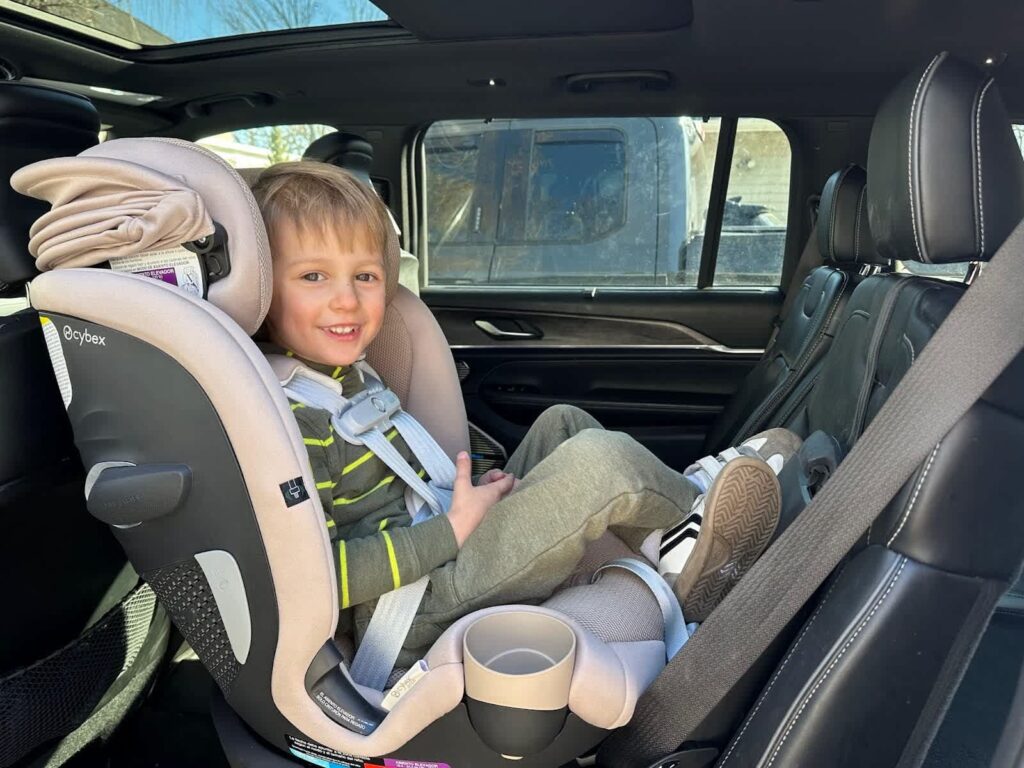
A five-minute drive can turn into the one moment every parent wishes they could redo. That is why car seat safety deserves more than a rushed buckle, a quick tug, and a hopeful glance in the rearview mirror. For families across the USA, the right seat is only half the job. The real protection comes from using it correctly every single ride, even on the boring routes to daycare, school pickup, the grocery store, or grandma’s house.
Parents often assume the safest choice is the newest seat, the most expensive brand, or the model with the longest feature list. Not always. A properly fitted mid-priced seat beats a fancy one installed loosely in the wrong position. The boring details matter: height limits, harness tightness, seat angle, tether use, and when to move a child to the next stage.
Reliable parenting resources can make those decisions less stressful, and trusted family safety guidance helps parents think beyond quick tips and focus on daily habits. One careful check before the car moves can do more than any gadget ever will.
Car Seat Safety Starts With the Right Stage
Children do not outgrow risk at the same pace they outgrow shoes. A toddler may look sturdy, a preschooler may argue like a tiny lawyer, and an older child may insist they are “too big” for a booster. None of that changes the physics of a crash. The seat must match the child’s body, not the child’s opinion.
Why Rear-Facing Seats Protect More Than Parents Expect
Rear-facing seats feel inconvenient once a baby becomes a kicking, snack-dropping toddler. Parents worry about bent legs, cramped rides, or the child getting bored. The bigger concern is not comfort in a normal ride. It is how the head, neck, and spine handle crash force.
The American Academy of Pediatrics says infants and toddlers should ride rear-facing as long as possible, until they reach the highest height or weight allowed by the seat maker. Many convertible seats allow rear-facing use for 2 years or longer.
That guidance can surprise parents who grew up hearing “turn them around at age 1.” Old rules linger in family advice, especially when grandparents mean well. Modern seats and updated guidance have moved past that shortcut.
A rear-facing seat spreads crash force across the child’s back. That matters because a young child’s head is large compared with the rest of the body. In a hard stop or crash, forward-facing too early asks the neck to manage force it was not built to handle.
When Forward-Facing and Booster Seats Make Sense
The next seat stage should feel earned, not rushed. Once a child outgrows the rear-facing limit, a forward-facing seat with a harness and tether becomes the next step. The tether is not decoration. It limits how far the seat and child move forward in a crash.
NHTSA recommends children stay rear-facing as long as possible, up to the top height or weight limit of their seat, then move to a forward-facing car seat with a harness and tether after they outgrow rear-facing use.
Boosters come later, but many families move into them too soon because they look simpler. A booster does not restrain the child by itself. It positions the vehicle seat belt so the lap belt sits low on the hips and the shoulder belt crosses the chest.
A child who slouches, leans, puts the belt behind the back, or falls asleep sideways may not be booster-ready even if the age and weight seem close. Readiness is partly size and partly behavior. That second part gets ignored too often.
Installing the Seat Like It Actually Matters
A seat can be perfect in the box and weak in the vehicle. Installation is where good intentions either become protection or turn into false confidence. Parents do not need to become engineers, but they do need to slow down enough to respect the manual.
How to Check for a Tight Car Seat Installation
A tight install starts at the belt path, not at the top of the seat. Grab the seat near the path where the seat belt or lower anchor strap passes through. If it moves more than 1 inch side to side or front to back, it needs work.
NHTSA says a properly installed rear-facing car seat should not move more than 1 inch side to side or front to back when checked at the belt path.
Parents often test the wrong spot. Pulling at the top of a rear-facing seat can make even a solid install look loose because some movement is expected there. The belt path tells the truth.
The choice between LATCH and the seat belt also trips people up. Many parents assume using both must be safer, but most car seat manuals do not allow that unless the manufacturer says so. Pick the method approved for your seat and vehicle, then do it well.
Why the Vehicle Manual Deserves a Real Look
The car seat manual explains the seat. The vehicle manual explains the car. You need both because lower anchor limits, seat belt locking methods, head restraints, airbags, and approved seating positions can differ across vehicles.
A family with two cars may need two different installs for the same seat. A compact sedan may allow a clean center install with the seat belt, while an SUV may work better outboard with lower anchors. The “best” spot is the safest spot where the seat installs correctly.
Real life makes this messy. Parents may be moving a seat between cars before work, in bad weather, with a child crying nearby. That is exactly when mistakes slip in.
A smart move is to practice the install once when nobody is waiting on you. Do it in daylight. Read the labels. Check the recline indicator. Then take photos of the correct setup so you can repeat it later without guessing.
Buckling Habits Decide Daily Protection
Installation gets most of the attention, but buckling happens every ride. That means small harness mistakes can repeat hundreds of times before anyone notices. A seat installed well still cannot do its job if the child is strapped in loosely.
Harness Fit Should Feel Snug, Not Harsh
The harness should lie flat with no twists. For rear-facing seats, straps usually sit at or below the shoulders. For forward-facing seats, they usually sit at or above the shoulders. The manual always wins when there is doubt.
NHTSA advises placing the child’s back flat against the seat, keeping harness straps flat and not twisted, then tightening until you cannot pinch extra strap material at the shoulder.
The chest clip should sit at armpit level. Too low, and the straps can spread in a crash. Too high, and it can press against the neck. The clip is a positioning tool, not the main restraint, but position still matters.
Bulky winter coats create a hidden problem in cold states like Michigan, Minnesota, Pennsylvania, and New York. A harness tightened over puffy material may feel snug, but crash force can compress the coat and leave dangerous slack. Thin layers, blankets over the harness, or a warm coat worn backward after buckling can solve that problem.
Everyday Shortcuts Create the Most Risk
The dangerous rides are not always the big road trips. They are often the short ones where everyone feels relaxed. A parent loosens the straps because the child complains. A caregiver skips the chest clip because the store is three minutes away. A booster rider tucks the shoulder belt under an arm because it feels annoying.
That is how weak habits become normal.
Parents should treat every ride like the one that counts. The road does not care whether you are driving across town or backing out for a quick errand. Most families do not get a warning before the moment they needed the rules.
This is also where babysitters, grandparents, older siblings, and carpool parents need clear instructions. A perfect setup in your car does not protect your child if another adult buckles them wrong after soccer practice.
Parents Need a Safety System, Not Random Tips
The best families do not rely on memory alone. They build a system that makes safe choices easier on rushed mornings and tired evenings. Good systems beat good intentions because parenting rarely happens under calm conditions.
Recalls, Expiration Dates, and Used Seats Need Attention
Car seats expire because materials age, standards change, labels fade, and parts wear. The expiration date is usually printed on the shell or listed in the manual. Ignoring it is not a money-saving trick. It is a gamble with plastic, straps, and crash performance.
Used seats need even more caution. A hand-me-down may look clean and still have a history nobody can prove. If you do not know whether it has been in a crash, whether all parts are present, whether it has been recalled, and whether the manual is available, walk away.
NHTSA provides recall tools because car seats can be recalled when they create a safety risk or fail to meet minimum safety standards. Parents can check recalls and sign up for alerts instead of hoping they hear about a problem later.
A practical family habit is simple: register the seat as soon as you buy it. Then put a yearly reminder on your phone to check the expiration date, fit, installation, and recall status. Boring? Yes. Worth it? Every time.
Certified Help Can Catch What Parents Miss
Many parents feel embarrassed asking for help with installation. They should not. Car seats are technical products, vehicle back seats vary, and manuals are not always friendly. Needing a trained second set of eyes does not mean you failed.
Certified Child Passenger Safety Technicians can check installation, harness fit, seat choice, and vehicle setup. They can also teach you how to repeat the process yourself, which matters more than having someone fix it once.
This is especially useful after a new baby, a vehicle change, a switch from infant seat to convertible seat, or a move into a booster. Each transition brings new rules, and old muscle memory can work against you.
Car seat safety becomes easier when parents stop treating it as a one-time setup. It is a living habit. Children grow, seasons change, vehicles change, and family routines shift. The seat that worked perfectly six months ago may need adjustment today. Take ten minutes this week to check the fit, read the labels again, and schedule a seat inspection if anything feels uncertain. Your child does not need a perfect parent. They need an adult who refuses to let convenience make the safety decisions.
Frequently Asked Questions
What are the best car seat safety tips for new parents?
Start with a seat that matches your child’s height, weight, and age. Read both the car seat manual and vehicle manual. Keep the harness snug, place the chest clip at armpit level, and check installation at the belt path before regular use.
How long should a child stay in a rear-facing car seat?
A child should stay rear-facing until reaching the highest height or weight limit allowed by the car seat manufacturer. Many convertible seats allow rear-facing use beyond age 2, so parents should follow the seat limits instead of switching by age alone.
Where is the safest place to install a child car seat?
The back seat is safest for children. The center rear seat can be a strong choice when the car seat installs tightly there, but a secure outboard install is better than a loose center install. Correct installation matters more than the idea of a perfect spot.
How tight should car seat straps be on a child?
The harness should be snug enough that you cannot pinch extra strap material at the shoulder. Straps should lie flat with no twists. The chest clip should sit at armpit level so the harness stays properly positioned during the ride.
Can parents use both LATCH and seat belt together?
Most car seats do not allow using LATCH and the seat belt together unless the manual clearly permits it. Using both without approval can change how the seat performs in a crash. Choose one approved method and install it correctly.
When should a child move from a car seat to a booster seat?
A child should move to a booster only after outgrowing the forward-facing harness limits. The child must also sit properly for the whole ride, with the belt across the chest and lap. If they lean, slouch, or move the belt, wait longer.
Are used car seats safe for children?
A used car seat is safe only when you know its full history. It should not be expired, recalled, damaged, missing parts, or involved in a crash. If you cannot confirm those details, buying a new seat is the safer choice.
Why should parents get a car seat inspection?
A trained inspection can catch loose installs, wrong belt paths, harness mistakes, recline problems, and seat choices that no longer fit the child. It also teaches parents how to install and buckle correctly without relying on guesswork.