
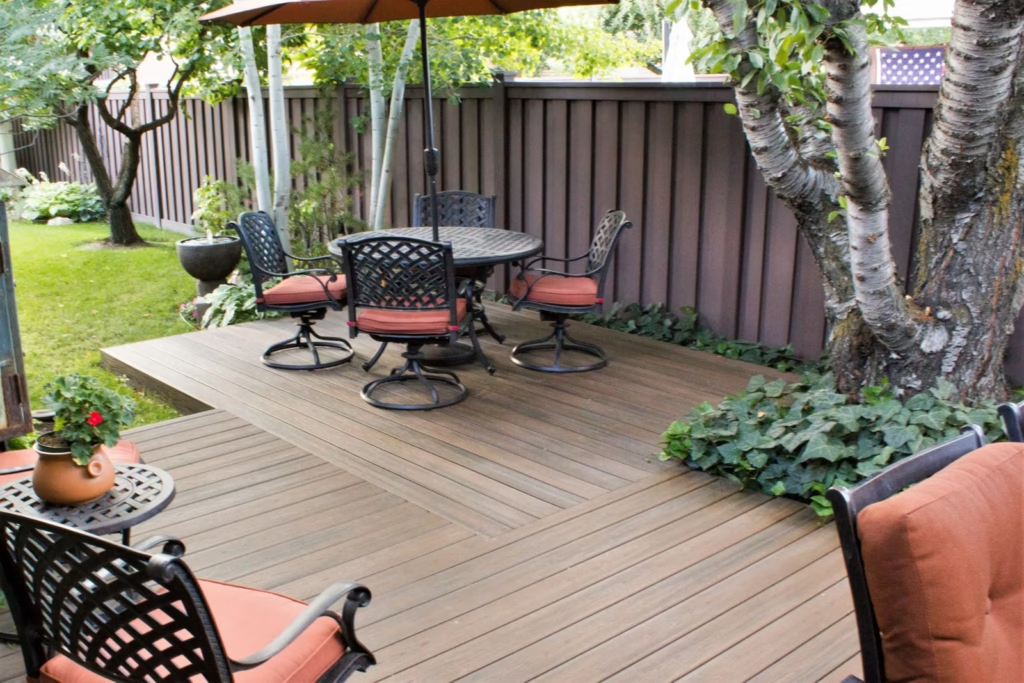
A fence should never feel like a rushed wall around a yard. The best modern fence design gives your home privacy without making the property feel boxed in, heavy, or cold. That balance matters across American neighborhoods, where one side of the house may face a busy sidewalk while the other opens toward a shared driveway, pool area, or small patio.
Privacy is personal, but design is public. Your fence affects how your home feels from the kitchen window, how guests approach the front walk, and how neighbors read your property from the street. Good planning starts before the first post goes into the ground. It starts with honest questions about sightlines, noise, sunlight, local rules, and the parts of daily life you want to protect.
Many homeowners also think about resale, curb appeal, and long-term upkeep at the same time. That is smart. A fence can solve a privacy problem and still support broader home improvement planning when the choices fit the house instead of fighting it.
How Modern Fence Design Turns Privacy Into Curb Appeal
Privacy should not make your home look defensive. A strong fence can create calm, mark property lines, and soften outdoor living spaces while still keeping the front of the house welcoming. The mistake many homeowners make is treating privacy as a single height decision, when the better answer usually comes from shape, spacing, material, and placement working together.
Why clean lines work better than heavy barriers
A clean fence line feels intentional before anyone notices the material. Horizontal boards, narrow vertical slats, and smooth panel transitions can make a small yard feel wider because the eye reads the fence as part of the landscape rather than a hard stop. That matters in places like suburban New Jersey, Southern California, and newer Texas developments where lot lines can sit close to patios and side windows.
Height alone can backfire. A tall, flat wall may block a neighbor’s view, but it can also trap heat, darken planting beds, and make a backyard feel smaller by noon. A better move is often a six-foot privacy section where it matters most, then a lower or more open section near the front yard.
The counterintuitive part is this: a fence with slight visual gaps can feel more private than a solid wall. Narrow spacing breaks up sightlines without creating that boxed-in feeling. Your brain reads movement and shadow differently when the view is filtered, not slammed shut.
How front yard fencing changes the first impression
A front fence carries more social weight than a backyard fence. It tells people whether the home feels open, guarded, formal, relaxed, or neglected. That is why front yard fencing usually needs a lighter hand than fencing around a pool, patio, or rear property line.
In many U.S. neighborhoods, a low metal fence, painted wood picket, or mixed-material panel works better near the street than a full privacy wall. You still define the yard, guide foot traffic, and protect landscaping without hiding the home’s face. A house with strong architecture deserves to be seen, not buried behind a blank panel.
Local rules matter here. Many cities limit front fence height more strictly than backyard height, often to preserve visibility near sidewalks and driveways. Before choosing a style, check your city or HOA rules. It is boring work, yes, but it beats paying to remove a fence that looked great for one weekend.
Choosing Materials That Match Your Climate and Routine
Once the design direction feels right, material choice decides whether the fence ages with grace or turns into a weekend chore. A beautiful fence that needs constant staining, sanding, or repair can become a quiet source of regret. The best material is not the fanciest one. It is the one that fits your weather, soil, budget, and patience.
Where low-maintenance fence materials make the most sense
Some homes need charm. Others need survival. In humid parts of Florida, coastal areas of the Carolinas, and snowy Midwest towns, low-maintenance fence materials can save years of repainting and repair. Vinyl, aluminum, composite, and powder-coated steel all have a place when weather is rough or time is limited.
Composite works well when you want the look of wood without the same level of care. It can suit modern homes, pool areas, and side yards where moisture would punish untreated lumber. Aluminum fits front yards and decorative boundaries because it resists rust and keeps sightlines open.
Wood still has soul, though. Cedar and redwood bring warmth that synthetic materials try hard to imitate. The catch is care. A wood fence in Arizona sun, Pacific Northwest rain, or Northeast freeze-thaw cycles needs a maintenance plan, not hope. If you hate outdoor upkeep, say that out loud before buying lumber.
Why mixed materials often look more expensive
A fence can look more custom when it uses contrast with restraint. Wood panels between dark metal posts, concrete bases under horizontal boards, or metal frames around composite inserts can make even a simple layout feel designed. The trick is stopping before the fence starts showing off.
Mixed materials also solve practical problems. Metal posts can reduce warping in long wood runs. Masonry bases can protect panels from irrigation splash, mulch contact, and weed trimmer damage. In a sloped backyard, stepped stone or concrete sections can anchor the design while lighter panels keep the top line neat.
The unexpected benefit is repair flexibility. If one wood panel gets damaged, you may replace a section without disturbing the full structure. That matters for families with dogs, kids, bikes, lawn crews, and the occasional storm that sends a branch where it should not go.
Designing for Sightlines, Sound, and Outdoor Comfort
A private yard is not always a silent yard, and a tall fence is not always a comfortable one. Real privacy depends on what you can see, what others can see, where sound travels, and how the space feels during daily use. This is where thoughtful planning beats copying a photo from a design feed.
How a backyard privacy fence should handle daily life
A backyard privacy fence should protect the parts of your yard where life actually happens. That might be the grill zone, hot tub, dining table, kids’ play area, or the chair where you drink coffee before the day gets loud. Start there instead of fencing every inch with the same treatment.
Walk the yard at different times. Stand where neighbors can see you. Sit where you plan to relax. Look from inside the house, too. A fence that blocks the view from a neighbor’s deck may still leave your patio exposed from a second-floor window across the alley.
A layered answer often works best. Use a solid panel behind the seating area, a slatted section near the garden, and shrubs where you want softness. In cities like Denver, Chicago, and Atlanta, where yards often mix privacy needs with small footprints, that layered approach can make the space feel larger and calmer.
Why sound control needs more than height
Noise behaves differently than sight. A fence can block a view with gaps, but sound slips through openings, bounces off hard surfaces, and travels over the top. If your main issue is traffic, barking dogs, or a loud corner lot, a light slatted fence may help visually but do little for peace.
Mass matters for sound. Denser materials, tight construction, and fewer gaps usually perform better. A masonry wall, solid wood fence, or composite privacy panel can reduce some noise, especially when placed close to the source or close to the outdoor living area. It will not make a busy road disappear, but it can take the edge off.
Plants help too, though not in the magical way people hope. A row of shrubs rarely blocks much noise by itself, but it softens the space and changes how harsh sound feels. That psychological comfort counts. Your yard does not need silence to feel private. It needs relief.
Planning Height, Rules, Gates, and Long-Term Value
The final design choices are less glamorous, but they decide how the fence performs after installation. Height, permits, gate placement, drainage, and maintenance access shape the daily experience. Ignore them, and even a good-looking fence can annoy you every week.
What fence height rules can change before you build
Fence height rules vary by city, county, HOA, corner lot, and sometimes even by front, side, and rear yard. A common pattern in many U.S. areas is lower limits in the front yard and taller allowances in the backyard. Still, assumptions are risky because one neighborhood can differ from the next.
Corner lots deserve extra care. Cities often protect visibility near intersections and driveways, which can limit fence height or require setbacks. Pool fences may have separate safety rules tied to gate latches, climbability, and minimum height. If children use the yard, those details are not paperwork. They are protection.
One smart move is to sketch your fence plan before calling the city or HOA. Mark heights, materials, gate locations, and distances from sidewalks or property lines. Clear questions get clearer answers. A vague “Can I build a fence?” often gets vague guidance.
Why gates and access deserve more attention
Gates are where many fence plans reveal their weak spots. A beautiful run of panels can still fail daily if the gate opens the wrong way, catches on a slope, or sits too narrow for a mower, trash bin, stroller, or wheelbarrow. Privacy should not make basic movement harder.
Think about service access. Lawn crews, utility workers, pool technicians, and delivery paths may all need entry at some point. A side-yard gate that looks fine on paper may become a headache if it blocks the easiest path to the backyard. Wider gates cost more, but they can save frustration for years.
Hardware also deserves respect. Hinges, latches, locks, and posts handle repeated force. Cheap hardware on a heavy gate is a bad bargain. Spend where movement happens. Static panels can forgive small savings; gates rarely do.
Conclusion
A fence is one of those home upgrades people notice every day, even when they stop talking about it. It frames your mornings, protects your evenings, and changes how freely you use the space you already own. That is why rushing the choice feels wrong once you understand how much it shapes daily comfort.
The strongest modern fence design does not chase one look. It solves one property with care. It respects the street, shields the right views, handles the local climate, and gives gates the same attention as panels. It also leaves room for the home to breathe, because privacy should feel peaceful, not sealed off.
Start with the places where you feel exposed, then build the design outward from there. Check the rules, choose materials honestly, and avoid copying a fence that was made for a different yard in a different state. Your next step is simple: walk your property with fresh eyes and mark the views you want to keep, block, soften, or frame.
Frequently Asked Questions
What is the best modern fence style for backyard privacy?
A solid or semi-solid horizontal wood, composite, or vinyl fence usually works best for backyard privacy. Slatted panels can also work when the gaps are narrow enough to filter views. The right choice depends on your yard size, sightlines, weather, and how much upkeep you want.
How tall should a backyard privacy fence be in the USA?
Many backyard fences are around six feet tall, but local rules decide what is allowed. Some cities allow taller fences with permits, while HOAs may set stricter limits. Always check city, county, and neighborhood rules before ordering materials or scheduling installation.
What are the best low-maintenance fence materials for American homes?
Vinyl, composite, aluminum, and powder-coated steel are strong choices for homeowners who want less upkeep. Composite offers a wood-like look with better weather resistance. Aluminum suits decorative and front yard fencing, while vinyl works well for clean privacy panels in many climates.
Does front yard fencing add value to a home?
Front yard fencing can add value when it improves curb appeal, safety, and landscape definition without hiding the house. Low or open designs usually work best near the street. A fence that clashes with the home or violates local rules can hurt value instead.
How can I make a privacy fence look less plain?
Use varied board direction, framed panels, mixed materials, climbing plants, lighting, or landscape beds to soften the look. Even small details, such as better post caps or a darker stain, can make a basic fence feel more designed and less like a blank wall.
Is wood or vinyl better for a privacy fence?
Wood offers warmth, texture, and a more natural look, but it needs staining or sealing over time. Vinyl needs less care and resists rot, but it can feel less custom. The better choice depends on your climate, budget, style, and maintenance habits.
Can a backyard privacy fence reduce noise?
A solid, dense fence can reduce some noise, especially from nearby yards or streets, but it will not create silence. Tight construction, fewer gaps, and heavier materials help more than height alone. Plants can soften the feel of noise, even when they do not block much sound.
Do I need a permit for a modern fence installation?
Many U.S. cities require permits for fences above certain heights, fences near streets, corner lots, pools, or property lines. HOA approval may also be needed. Check rules before building, because removing or rebuilding a non-compliant fence can cost far more than the permit.