
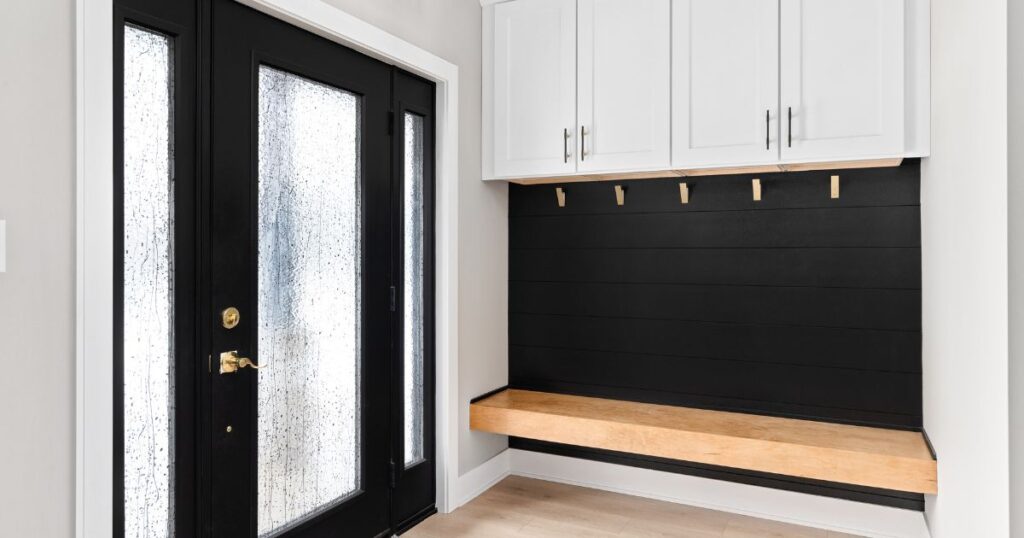
A cluttered entryway does not look messy because your family is careless. It looks messy because the space has no landing plan. Modern entryway bench ideas work best when they treat the front door like a small daily command center, not a decorative afterthought. In many U.S. homes, the entry is where school bags, work shoes, dog leashes, mail, jackets, and delivery boxes all compete for the same few square feet.
The right bench gives that chaos a place to settle before it spreads through the house. It gives you somewhere to sit, somewhere to drop what you carry, and somewhere to reset before moving into the rest of the home. A good setup also helps guests understand your home without a word. Shoes go here. Bags land there. Coats belong nearby.
For homeowners comparing layouts, storage options, or decor upgrades, trusted home improvement resources like organized home planning ideas can help connect style choices with practical daily use. The goal is not to make your entryway look staged. The goal is to make it behave better every single day.
Entryway Bench Ideas That Turn the Doorway Into a Working Zone
A bench near the front door has one real job before it has any visual job. It must catch the mess at the exact moment it enters the house. That sounds simple, but it changes the way you think about scale, placement, storage, and even the wall behind it. A beautiful bench that sits too far from the door becomes decoration. A useful bench earns its spot before anyone notices how good it looks.
Why the First Three Feet Matter Most
The first few feet inside the door carry more pressure than most people admit. That tiny zone handles weather, errands, school routines, work bags, pet gear, and guests who do not know where to stand. A bench placed inside that zone can stop clutter before it crosses into the living room.
Many American homes have narrow foyers, split-level entrances, or front doors that open straight into the main room. In those layouts, the bench cannot act like a grand hallway feature. It needs to work like a traffic tool. A slim wood bench with a lower shelf can hold everyday shoes while still leaving enough walkway for groceries or kids coming in after soccer practice.
The mistake is treating the bench like a sofa. Entry seating does not need deep comfort. It needs quick support. You sit for thirty seconds to tie shoes, zip boots, or set down a tote. A shallow bench with firm structure often works better than a padded piece that eats floor space.
How to Match the Bench to Real Household Habits
A bench should reflect what your household actually does, not what a showroom photo suggests. A couple in a downtown apartment may need a compact bench with hidden shoe storage. A suburban family in Ohio or Texas may need open cubbies for kids’ sneakers, rain boots, and backpacks. A dog owner may need hooks above the bench and a small basket for waste bags, leashes, and towels.
The best test is simple. Watch what lands near your door for one full week. Do not clean it up first. Let the evidence embarrass you a little. That pile tells you what the bench must solve.
A household with heavy shoe traffic should not choose a delicate upholstered bench with no storage. A home with guests every weekend should not choose a bench so small that it only works for one person. Real habits beat pretty guesses every time, and the bench should be sized around the mess you already own.
Choosing Storage That Looks Clean Without Hiding Problems
Storage can make an entryway calmer, but it can also become a quiet junk drawer with legs. The difference comes down to visibility and discipline. Closed storage hides visual clutter, while open storage keeps daily items easy to grab. Neither option is better by default. The right choice depends on how honest you are about what your family will maintain.
When Open Shelves Beat Closed Cabinets
Open shelves work well when the same items come and go every day. Shoes, gym bags, reusable shopping totes, and kids’ backpacks are easier to manage when nobody has to open a drawer or remember a system. A bench with open cubbies tells everyone what belongs where without a lecture.
This is why open storage often works better for busy family homes. A child is more likely to slide shoes into a cubby than open a cabinet, line them up, and close the door. That small difference matters because entryway organization depends on repeated tiny actions, not one deep cleaning session.
Open storage also keeps moisture in check. In snowy states like Michigan, Minnesota, or Colorado, wet boots need air. Closing damp shoes inside a cabinet can trap odor and create a problem that looks hidden but smells obvious. A slatted lower shelf or divided open cubbies can look tidy while letting boots dry naturally.
When Hidden Storage Makes the Space Feel Grown-Up
Closed storage earns its place when the entryway is visible from the living room. If your front door opens into a sitting area, visual noise can make the whole room feel unsettled. A bench with drawers, lift-top storage, or cabinet doors can help the entry fade into the overall design.
Hidden storage works best for items that are useful but not needed every hour. Seasonal hats, umbrellas, spare pet supplies, sunscreen, and backup shopping bags can live inside the bench. Daily shoes may still need a tray or open shelf nearby, especially if your family will not put them away each time.
The trick is to avoid stuffing every problem behind a door. Hidden storage should reduce stress, not delay it. A bench drawer packed with tangled gloves, old receipts, batteries, and loose keys becomes a clutter museum. Use small bins inside closed storage so each category has a limit. When the bin fills, the category is telling you the truth.
Designing Around Small Entryways Without Making Them Feel Smaller
Small entries need sharper choices. A large foyer can forgive a bench that is a little too wide or a basket that sticks out. A compact apartment entry or narrow hallway cannot. Every inch has to justify itself. The goal is to create function without making the doorway feel like a checkpoint.
Why Slim Benches Often Work Better Than Built-Ins
Built-ins look impressive, but they are not always the smartest answer. In a small rental, condo, or starter home, a movable slim bench gives you flexibility. You can shift it, replace it, or take it with you. That matters when your entry layout changes with seasons, furniture, or family needs.
A narrow bench between 10 and 14 inches deep can still support quick seating without blocking traffic. Pair it with wall hooks instead of a bulky coat tree, and the floor stays open. That vertical move makes the whole area feel lighter because the storage climbs the wall instead of spreading across the ground.
A good example is a small Chicago apartment where the door opens into a short hallway. A deep storage bench would make the hall feel cramped. A slim black metal bench with a wood seat, three hooks above it, and one boot tray underneath can solve the same problem with less visual weight.
How Mirrors, Lighting, and Wall Space Change the Bench
A bench does not work alone. The wall around it decides whether the entry feels tight or intentional. A mirror above the bench can bounce light, give you one last check before leaving, and make a narrow space feel less boxed in. It also gives the bench a visual anchor.
Lighting matters more than people expect. A dark entry makes even a clean bench look like a storage pile. A warm wall sconce, a small overhead fixture, or a nearby lamp can change the mood fast. If wiring is not an option, a battery-powered picture light over framed art can make the area feel finished without a renovation.
Wall space should not become a dumping ground for every possible hook. Too many hooks invite too much stuff. Four well-placed hooks often work better than ten crowded ones. The bench should support daily flow, while off-season coats and rarely used bags belong in a closet or another storage zone.
Making the Bench Fit the Style of the Home
An entryway bench sends an early design signal. It tells people whether the home feels relaxed, polished, rustic, minimal, coastal, traditional, or modern. That signal should match the rest of the house. A bench can stand out, but it should not feel like it wandered in from another life.
How Materials Set the Tone Before Decor Does
Material choice carries more weight than pillows or baskets. A white oak bench feels warm and current. A black metal frame feels sharp and urban. A painted bench can soften a cottage or farmhouse entry. A leather cushion adds polish without making the space fussy.
American homes often mix styles by necessity. A builder-grade foyer may sit beside an open-plan living room with modern furniture and family-friendly finishes. In that case, the bench can act as the bridge. A wood bench with clean lines, neutral upholstery, and woven baskets can connect modern decor with everyday practicality.
Durability should guide the final choice. Painted finishes can chip under backpacks and boot heels. Light fabric can stain near wet shoes. Raw wood can mark if it is not sealed. A good-looking bench that cannot survive normal use becomes a guilt machine. Choose materials that can take a hit and still look honest.
Why Decor Should Support the Bench Instead of Crowding It
Entry decor often goes wrong because people keep adding pieces after the bench is already working. Pillows, baskets, plants, trays, framed art, candles, and rugs can all help. Too many at once turn the bench into a display table, which makes people afraid to use it.
A bench needs breathing room. One cushion can add comfort. One basket can catch small items. One piece of art can set the mood. A runner can define the walkway. That may be enough.
The counterintuitive move is to leave part of the bench empty. An empty seat is an invitation. A fully styled bench is a warning. When someone walks in carrying a laptop bag, a package, and a coat, they should not have to move five decorative pillows to sit down. Good design makes use feel natural.
Keeping the Entryway Organized After the Bench Is Installed
A bench will not fix an entryway by itself. It gives the room a better framework, but the habits around it decide whether the space stays calm. This is where many good-looking entryways fail. They get photographed once, then collapse under real life two weeks later.
How to Build a Simple Drop-Zone Routine
A working drop zone needs clear categories. Shoes go below. Bags go beside or on hooks. Keys go in a tray. Mail moves to a separate sorting spot. Pet gear gets one basket. The fewer decisions people make at the door, the better the system holds.
The routine should match the speed of daily life. Nobody wants a five-step organizing ritual after a long commute. A parent walking in with groceries and a tired child needs obvious landing spots, not a perfect storage philosophy. Keep the system close, visible, and forgiving.
A useful rule is to reset the entry once a day, not all day. Evening works well for many households. Put shoes back, clear the bench seat, remove mail, and return random items to their rooms. Five minutes of reset prevents the weekend pileup that makes the whole entry feel defeated.
What to Remove When the Bench Starts Collecting Clutter
Clutter usually returns because the bench begins accepting items that belong somewhere else. Tools, returns, laundry, toys, old mail, and half-empty water bottles creep in because the bench is flat, available, and near the door. Flat surfaces attract unfinished decisions.
The fix is not always more storage. Sometimes the fix is removal. If the bench keeps collecting mail, add a wall sorter away from the seat. If it holds returns for weeks, place a dedicated return bag in the car. If sports gear piles up, create a garage or mudroom station instead of forcing the entry to carry the whole load.
Modern entryway bench ideas should make life easier after the first week, not only on the day you decorate. The best bench becomes part of a rhythm. You enter, unload, sit, remove shoes, hang what needs hanging, and move on. No drama. No daily negotiation. No pile spreading across the floor.
Conclusion
A good entryway does not need a huge foyer, custom millwork, or a designer budget. It needs a clear answer to one question: what happens the moment someone walks through the door? Once that answer is honest, the bench becomes more than furniture. It becomes a small piece of household discipline dressed in a good shape.
The smartest homes are not the ones that hide every sign of life. They are the ones that give daily life somewhere to land. That is the real value of entryway bench ideas in an American home where mornings move fast, evenings come with baggage, and weekends bring guests, gear, and errands through the same door.
Start with your mess, then choose the bench. Measure the walkway, decide what must be stored, and leave enough empty space for real use. Your next step is simple: look at your entry today and remove everything that does not belong there before buying a single new piece.
Frequently Asked Questions
What size bench works best for a small entryway?
A small entryway usually works best with a bench that is 30 to 42 inches wide and around 10 to 14 inches deep. That gives you useful seating without blocking the walkway. Always measure the door swing and walking path before choosing the final size.
Should an entryway bench have storage underneath?
Storage underneath helps when shoes, bags, or pet items often pile up near the door. Open shelves work well for daily shoes, while drawers or lift-top storage suit seasonal items. Choose the style based on what your household drops most often.
How do I style an entryway bench without making it cluttered?
Keep the styling simple and leave part of the seat empty. Use one cushion, one basket, and one wall feature such as a mirror or artwork. The bench should still be easy to sit on, or the decor is getting in the way.
What is the best material for a family entryway bench?
Sealed wood, metal, and performance fabric are strong choices for family homes. They handle shoes, bags, moisture, and daily bumps better than delicate finishes. Avoid light untreated fabrics near the door unless the bench is mostly decorative.
Can I use an entryway bench if I do not have a foyer?
Yes, a bench can work even when the front door opens into the living room. Choose a slim design, place it against the nearest practical wall, and use a rug or hooks to define the zone. The goal is to create a small landing area.
How do I keep shoes organized under an entryway bench?
Limit the number of shoes allowed near the door. Give each person one or two daily pairs, then move extras to a closet. Use trays, cubbies, or shelves so shoes have a visible boundary instead of spreading across the floor.
Are upholstered benches practical near the front door?
Upholstered benches can work if the fabric is durable and easy to clean. They are better for lighter-use entries or homes where shoes are not muddy or wet. For heavy family traffic, choose performance fabric, leather, or a removable cushion.
What should I put above an entryway bench?
A mirror, hooks, shelf, or framed art can work above the bench. Pick based on function first. Hooks help with coats and bags, mirrors brighten tight areas, and shelves hold small decor. Avoid overcrowding the wall, or the entry will feel busy.