
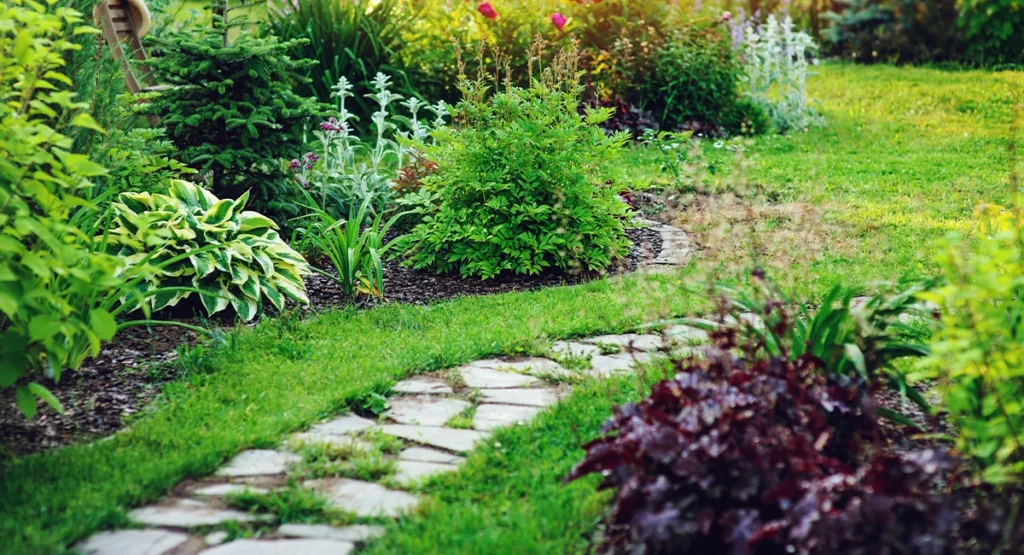
A yard can feel unfinished even when the plants look healthy and the patio furniture is new. The missing piece is often movement, because garden path ideas shape how people enter, pause, turn, and enjoy an outdoor space without thinking too hard about it. In many American homes, from small suburban lots in Ohio to wider backyards in Texas, the right path makes the yard feel planned instead of patched together.
A good path does more than connect the back door to the gate. It protects grass from foot traffic, guides guests safely after sunset, and gives the garden a sense of rhythm. It also adds value in a quiet way, the same way strong curb appeal does. Homeowners who care about lasting outdoor upgrades often look for practical design inspiration from trusted home improvement resources like modern outdoor living ideas because beauty means little if the result does not work in daily life.
Garden Path Ideas That Shape Outdoor Flow
Paths decide how your yard feels before anyone notices the flowers. A straight walkway tells people to move with purpose, while a curved one slows them down and makes the space feel more relaxed. Neither choice is better by default. The right one depends on how your family uses the yard, where the sun lands, and which parts of the space deserve attention.
Start With the Way People Already Walk
Foot traffic tells the truth. Before you spend money on stone, gravel, brick, or edging, watch where people already step. Kids cut across lawns. Guests head toward the grill. Delivery drivers find the fastest route to the side gate. Those natural trails show where a path belongs.
Many homeowners make the mistake of drawing a pretty line on paper and forcing the yard to follow it. That usually creates frustration. A path that ignores real movement becomes decoration, not function. In a New Jersey backyard, for example, a curved flagstone route may look charming, but if everyone still walks straight from the deck to the garage, the lawn will keep wearing down.
The better move is to design around behavior first. You can still make it beautiful. Shape the path slightly wider near gathering spots, narrow it near planting beds, and let one small curve frame a tree or garden bench. Practical paths feel natural because they respect how people already live.
Use Curves Only When They Have a Reason
Curves can make a garden feel soft and graceful, but random curves look forced. A path should bend around something meaningful, such as a maple tree, a raised herb bed, a water feature, or a seating nook. When there is no reason for the bend, the design starts to feel fake.
A common mistake in American front yards is the “wandering walkway” that curves across a flat lawn with nothing guiding it. It may look interesting on a design board, but in person it can feel awkward. People sense when a route wastes their steps.
A strong curve creates anticipation. It hides part of the view, then reveals it slowly. That works well in backyard path landscaping where you want someone to discover a fire pit, reading chair, or small flower border. The path does not need drama. It needs intention.
Materials That Make Modern Garden Paths Feel Built to Last
The material under your feet changes the mood of the entire yard. Gravel feels casual and flexible. Brick feels classic. Poured concrete feels clean and urban. Natural stone feels grounded and mature. The best choice is not always the most expensive one. It is the one that fits your climate, maintenance habits, and home style.
Match the Surface to Your Weather
Weather should guide every material choice. In snowy parts of the Midwest and Northeast, uneven stones can become a headache when shoveling. In Arizona or Nevada, dark pavers may hold heat and make bare feet regret every step. In rainy parts of the Pacific Northwest, slick stone can turn a pretty path into a safety problem.
Outdoor walkway design works best when it starts with climate. Pea gravel drains well, but it can scatter into lawns and beds. Brick brings warmth, but it may shift during freeze-thaw cycles if the base is weak. Concrete is stable, but plain slabs can crack if water has nowhere to go.
A homeowner in Minnesota may do better with textured concrete pavers set on a strong compacted base. Someone in Georgia might prefer stepping stones with groundcover between them because the growing season is longer. The smartest path is the one that still looks good after a hard season, not only on installation day.
Let Texture Carry the Style
Texture often matters more than color. Smooth concrete gives a yard a clean, modern edge. Tumbled brick feels softer and older. Crushed granite creates a relaxed Southwestern mood. Large limestone slabs can make a small garden feel more generous because the surface looks calm.
Modern garden paths do not have to look cold. That is where many homeowners get nervous. They hear “modern” and imagine sharp concrete lines with no warmth. In real yards, modern usually means simpler shapes, cleaner edges, and fewer competing materials.
A small California courtyard, for example, can look polished with large square pavers and low thyme between each slab. The same design in a wooded Pennsylvania yard might feel out of place unless the stone has a warmer tone and rougher edge. Texture helps the path speak the same language as the house.
Planting Around Paths Without Creating Clutter
A path without planting can feel bare, but too much planting can swallow it. The best borders support movement instead of blocking it. This is where restraint pays off. You want plants to soften the edge, guide the eye, and change with the seasons without turning every walk to the garage into a fight with wet leaves.
Keep Edges Soft but Controlled
Plants along a path should lean in a little, not take over. Low grasses, creeping thyme, dwarf mondo grass, lavender, sedum, and compact boxwood can all work, depending on the region. The goal is to create a living edge that makes the hardscape feel settled.
Backyard path landscaping often fails when homeowners plant too close. A young ornamental grass may look harmless in a nursery pot, then spread wide enough to hide half the walkway by August. That may seem charming for a week. After that, it becomes a maintenance chore.
Spacing is not wasted room. It is future control. Leave enough breathing space between the path and the plant’s mature size. You can fill early gaps with mulch or seasonal annuals, then let the permanent plants grow into their role. A path should age into beauty, not into crowding.
Use Repetition Without Making the Yard Stiff
Repetition helps the eye relax. When the same plant appears along a path every few feet, the route feels connected. The trick is to repeat with variation. Use one plant as the steady rhythm, then add seasonal interest in small pockets.
For example, a walkway in a Virginia backyard might use liriope as the repeating edge, then add black-eyed Susans near a sunny bend. A Portland garden might use ferns and mossy stones near shaded sections, then shift to compact hydrangeas where the path opens up.
Outdoor walkway design benefits from this kind of rhythm because the path feels guided without becoming formal. Too much variety makes the border noisy. Too much repetition can feel stiff. The middle ground is where most home gardens feel alive.
Lighting, Width, and Details That Make Paths Work Every Day
A path may look finished in daylight and still fail at night, after rain, or during a family gathering. Details decide whether people enjoy using it. Width, lighting, drainage, edging, and transitions all matter because a walkway lives in the real world, not in a photo.
Give People Enough Room to Move Comfortably
Narrow paths look sweet in pictures, but they can feel annoying in daily use. A main route should usually allow two people to pass without turning sideways. Side paths can be tighter, especially if they lead to a shed, small bench, or planting area.
A front walkway in a typical American suburb often feels better at 4 feet wide than 3 feet. That extra space helps when someone carries groceries, walks beside a child, or welcomes guests during the holidays. In a backyard, the path from the patio to the grill may need more room than a decorative route through flower beds.
Width also affects mood. A wider path feels open and social. A narrow one feels private and slower. Neither is wrong. The mistake is using the same width everywhere, even though different parts of the yard serve different purposes.
Add Lighting Where Decisions Happen
Path lighting should help people make choices. Place lights near steps, turns, gates, grade changes, and intersections. You do not need to line both sides like a runway. That can make a yard feel commercial instead of welcoming.
Low-voltage lights are popular because they are steady and bright enough for safety. Solar lights can work in sunny areas, but shaded yards often leave them weak by evening. Motion lights near side yards can help with security, though they should not blast the whole garden every time a branch moves.
The unexpected truth is that darkness can be part of the design. You do not need to light every inch. A few warm pools of light can make modern garden paths feel calm, safe, and more expensive than they are. Good lighting lets the garden keep some mystery.
Conclusion
A beautiful yard is not only about what you plant. It is about how you move through it, where your eye lands, and whether the space feels easy to use on an ordinary Tuesday evening. That is why paths deserve more respect than they usually get.
The best garden path ideas begin with real life. They notice where people walk, how water drains, where shoes get muddy, and which view deserves a slower approach. Then they add beauty through material, planting, lighting, and proportion. That order matters. A path built for photos may impress once, but a path built for use earns its place every day.
Start with one route that already matters in your yard. Improve its surface, clean up its edges, and give it enough light to feel safe after sunset. Once that path works, the rest of the garden will begin to make more sense.
Frequently Asked Questions
What are the best materials for a modern garden path?
Concrete pavers, natural stone, brick, gravel, and crushed granite all work well. The best choice depends on your weather, budget, and maintenance style. For a clean modern look, large pavers with simple edging often give the strongest result.
How wide should a backyard garden path be?
A main backyard path usually feels comfortable at 3 to 4 feet wide. Smaller side paths can be narrower if they serve one person at a time. Walkways used for entertaining, grilling, or carrying items should be wider for easier movement.
Are gravel garden paths hard to maintain?
Gravel paths need some upkeep, but they are not difficult if installed well. A compacted base, landscape fabric, and sturdy edging help keep stones in place. Occasional raking and topping off will keep the path neat over time.
How do I stop weeds from growing through a garden path?
Start with a strong base and use landscape fabric where appropriate. Keep joints filled with sand, gravel, or groundcover so weed seeds have less room to settle. Pull small weeds early before roots spread under the path surface.
What plants look good along outdoor walkways?
Low-growing plants usually work best near paths. Creeping thyme, sedum, lavender, mondo grass, dwarf boxwood, and ornamental grasses can soften edges without blocking movement. Choose plants based on sun exposure, mature size, and local climate.
Should a garden path be straight or curved?
Straight paths work well for formal entries and direct routes. Curved paths feel better in relaxed gardens where you want slower movement and discovery. A curve should have a reason, such as moving around a tree, bed, or seating area.
How can I light a garden path without overdoing it?
Place lights near steps, turns, gates, and changes in level. Avoid lining both sides too evenly, since that can feel harsh. Warm, low fixtures spaced with intention usually look better than bright lights placed every few feet.
Do garden paths add value to a home?
Well-designed paths can improve curb appeal, safety, and outdoor function. They make a yard feel planned and easier to use, which buyers often notice. The value comes from durable materials, clean installation, and a layout that fits the home.