
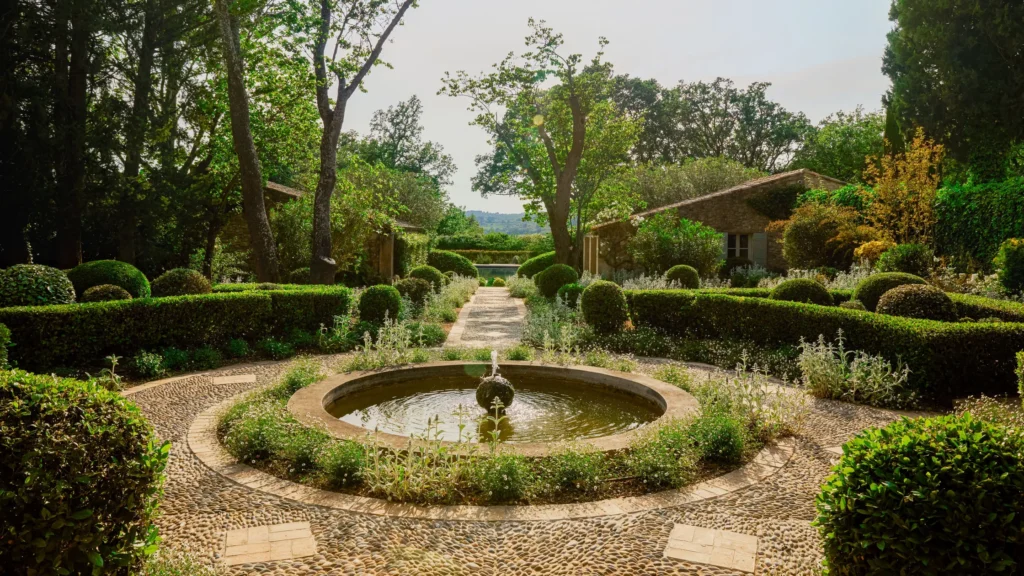
A backyard can either feel like wasted space or the best room your house never had. For many American homeowners, Backyard Landscaping Ideas are no longer about adding a few plants and calling it finished. They are about creating a space that works after school, on quiet Sunday mornings, during summer cookouts, and on those evenings when the house feels too loud.
The mistake many people make is starting with pretty photos instead of real life. A backyard in Phoenix needs a different plan than one in Vermont. A narrow yard behind a Chicago townhouse cannot behave like a wide suburban lot outside Dallas. Beauty matters, but comfort, upkeep, shade, drainage, and privacy matter too.
Good landscaping does not have to feel expensive or stiff. It can be practical, personal, and still look polished. A smart yard gives you places to sit, walk, eat, garden, play, and breathe without making every weekend about maintenance. That is where thoughtful outdoor planning pays off, especially when you want a home that feels better every time you step outside.
Designing Backyard Landscaping Ideas Around How You Actually Live
A beautiful backyard starts with honest use, not decoration. You have to know whether your yard needs to host neighbors, calm kids, support pets, grow herbs, or give you a quiet corner away from screens. The best designs do not chase a magazine layout. They answer the rhythm of the household first, then dress that rhythm with shape, texture, and color.
Create Zones That Solve Daily Problems
A backyard works better when it has clear zones. One corner may hold a dining table, another may keep a fire pit, and a shaded strip along the fence may become a small garden path. These areas do not need walls or major construction. A change in flooring, a row of planters, or even a rug under outdoor chairs can tell the eye that one space has ended and another has begun.
Think about a family in a typical Atlanta suburb. The parents may want a grill station near the kitchen door, while the kids need open lawn space within view of the patio. If the entire yard is treated as one blank green patch, everyone competes for the same space. Once zones are set, the yard starts acting like a working floor plan.
The counterintuitive part is that smaller yards often benefit most from zones. People assume dividing a small backyard makes it feel tighter, but the opposite often happens. A tiny yard with a bench nook, a planted edge, and a compact dining spot feels richer than one open patch with no purpose.
Let Movement Shape the Layout
A yard should guide you without making you think. Paths, stepping stones, mulch borders, and planting beds can pull movement naturally from the back door to the seating area, garden shed, or side gate. When movement feels awkward, people stop using the yard even if it looks good from the window.
Straight paths work well for formal homes, but curved routes can soften a plain yard fast. A simple stone path that bends around ornamental grasses can make a flat backyard feel more layered. It also slows the pace, which matters more than people think. A backyard should not feel like a hallway.
One useful test is to walk your yard at the time you use it most. Morning coffee people notice sun differently than evening grillers. Dog owners spot mud paths faster than anyone. Let those daily tracks tell you where hardscape belongs before you spend money on plants.
Building Comfort With Shade, Privacy, and Outdoor Rooms
Once the yard has purpose, comfort decides whether people stay outside. A backyard can look clean and still feel harsh if the sun pounds every chair, the neighbor’s windows face the patio, or the wind cuts through every meal. Outdoor beauty has to protect people a little. That protection is what turns landscaping into living space.
Use Shade Like a Design Feature
Shade should be planned as part of the design, not added later as a rescue move. Pergolas, shade sails, umbrellas, vines, and trees each create a different feeling. A pergola over a dining area feels architectural. A large umbrella keeps things flexible. A shade tree gives the yard a slower, more natural kind of comfort.
In many U.S. regions, especially across Texas, Arizona, and inland California, shade is not a luxury. It decides whether a backyard can be used from June through September. A patio that looks beautiful at noon but feels punishing by 3 p.m. is not finished. It is waiting for a smarter layer.
Fast-growing trees can be tempting, but they deserve caution. Some grow messy roots, drop limbs, or crowd fences. A slower tree placed in the right spot often beats a quick fix that becomes a problem in five years. Patience can be cheaper than speed.
Shape Privacy Without Closing the Yard In
Privacy does not always mean a tall fence. Layered planting can block sightlines while keeping the yard open. Tall grasses, evergreen shrubs, trellised vines, and raised planters can soften views from neighboring patios without making the space feel boxed in.
A backyard in a dense New Jersey neighborhood, for example, may need privacy near the dining table but not across the entire property line. A few upright evergreens behind the seating area can do more good than a full wall of fencing. The goal is to protect the moment, not hide the whole yard.
The smartest privacy plans leave room for air and light. A solid fence may block a neighbor, but it can also trap heat and make a yard feel smaller. A mix of solid and soft barriers gives you cover without turning the backyard into a container.
Choosing Plants, Materials, and Features That Age Well
A backyard changes every month. Plants grow, wood fades, gravel shifts, and furniture takes weather harder than store displays admit. Good landscaping respects time. It chooses materials and features that look better with age or can be maintained without stealing every weekend.
Pick Plant Layers Instead of Random Favorites
Plant shopping can ruin a yard faster than bad taste. Nurseries make every plant look tempting, but a backyard needs structure before it needs color. Start with trees or tall shrubs, then add mid-height plants, then groundcovers and seasonal flowers. Layers make the space feel designed even when nothing is blooming.
Native and climate-suited plants deserve serious attention. In Colorado, drought-tolerant grasses and perennials may make more sense than thirsty lawn edges. In Florida, plants that handle humidity and heavy rain will save frustration. The right plant in the right place looks calm because it is not fighting the yard.
Color should support the structure, not replace it. A yard packed with flowers can look busy and then collapse visually when blooms fade. Strong leaf shapes, evergreen anchors, bark texture, and repeated plant groups keep the design alive in every season.
Choose Hardscape That Fits the House
Patios, walkways, edging, gravel, and retaining walls carry much of the yard’s visual weight. Materials should connect with the house instead of competing with it. A brick house may look grounded with clay pavers or warm-toned stone. A modern stucco home may feel sharper with concrete slabs, gravel, and clean steel edging.
One common mistake is mixing too many materials. A yard with stamped concrete, red brick, white gravel, black mulch, and three fence finishes can feel restless. Two or three main materials usually create a stronger result. Restraint is not boring. It gives the plants and furniture room to matter.
Water features, fire bowls, and outdoor kitchens can add value, but only when they fit the way the yard is used. A built-in pizza oven sounds impressive until it sits cold for ten months. A smaller fire pit with comfortable chairs may serve the household better and cost far less.
Making the Backyard Easier to Maintain Year After Year
A backyard that looks good only after a full Saturday of work is not much of a gift. Maintenance should be designed down from the beginning. That does not mean the yard becomes plain. It means the beauty comes from smart choices that do not punish the owner later.
Reduce Lawn Where It Does the Least Work
Grass has its place, especially for kids, pets, and open play. Still, lawn should earn its square footage. Narrow strips beside fences, shaded corners, and steep slopes often become trouble spots. Replacing those areas with mulch beds, groundcovers, gravel paths, or shrub borders can make the yard cleaner and easier to manage.
A homeowner in Ohio might keep a central lawn for games but remove grass along the back fence where mowing is awkward. That strip can become a layered bed with hydrangeas, hostas, and a simple mulch path. The yard still feels green, but the weekly work drops.
Less lawn does not mean less life. Birds, pollinators, and soil often benefit when a yard includes varied planting instead of endless turf. The surprise is that a lower-maintenance yard can feel more alive, not less.
Plan Watering Before Plants Go In
Watering is where many landscapes quietly fail. A plant may be beautiful, but if it needs constant attention in a dry corner, it becomes a chore. Group plants by water needs so thirsty plants stay together and drought-tolerant plants are not overwatered to keep their neighbors alive.
Drip irrigation can be one of the smartest upgrades for planting beds. It sends water near the roots, reduces waste, and keeps leaves drier. That matters in humid areas where wet foliage can invite disease. Even a simple soaker hose under mulch can make a major difference.
Modern timers and moisture sensors help too, but they do not replace judgment. After a stormy week, the system may need a pause. During a heat wave, new plants may need extra attention. A good yard still asks for care, but it should not ask for constant rescue.
Frequently Asked Questions
What are the best modern backyard landscaping ideas for small yards?
Small yards work best with clear zones, vertical planting, built-in seating, and fewer materials. Use one strong focal point, such as a fire pit or raised planter, then keep the rest clean. A small space feels larger when every area has a purpose.
How can I make my backyard look beautiful on a budget?
Start by cleaning edges, adding mulch, grouping plants in repeated clusters, and improving seating. Paint old furniture, use gravel for paths, and add solar lighting for evening warmth. Budget landscaping works when the design looks intentional instead of random.
Which backyard plants are easiest to maintain in the USA?
The easiest plants depend on your region, but native grasses, evergreen shrubs, sedum, lavender, coneflowers, hostas, and hydrangeas often perform well in the right climates. Choose plants suited to local sun, rain, soil, and winter conditions before choosing by looks.
How do I create privacy in a backyard without a tall fence?
Use layered planting, trellises, tall planters, pergolas, vines, and ornamental grasses to block specific sightlines. Privacy works best when focused around seating or dining areas. You rarely need to screen the entire yard to feel more comfortable.
What is the best low-maintenance backyard layout?
A low-maintenance layout usually includes reduced lawn, wide planting beds, mulch, drip irrigation, durable patio surfaces, and climate-suited plants. Keep the design simple, repeat plant groups, and avoid features that need constant cleaning or seasonal repair.
How can I add shade to a sunny backyard?
Add shade with trees, pergolas, umbrellas, shade sails, covered patios, or vine-covered structures. The best choice depends on budget and how permanent you want the shade to be. Place shade where people sit, eat, or walk most often.
Are outdoor kitchens worth it for backyard landscaping?
Outdoor kitchens are worth it when you cook outside often and have enough space for safe movement, seating, and storage. For occasional use, a quality grill station may be smarter. Big built-ins can feel wasteful when the household rarely uses them.
How do I make my backyard feel like an outdoor room?
Use flooring, furniture, lighting, plants, and overhead shade to define the space. Add a rug, side tables, cushions, and a clear focal point. The yard starts feeling like a room when people know where to sit, gather, and relax.