
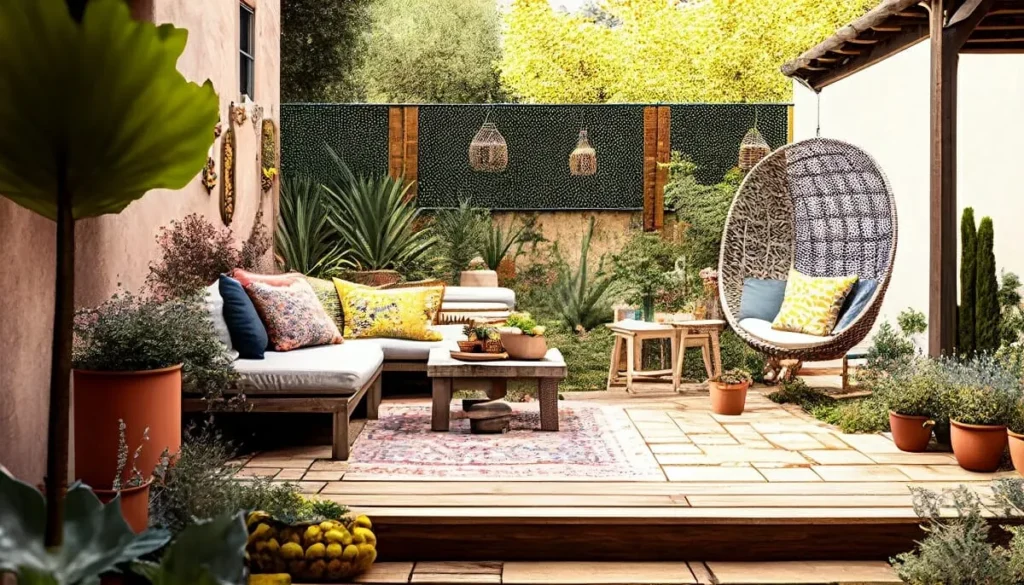
A good patio does something most rooms inside the house cannot do: it slows the day down before you even notice. For many American homeowners, patio design ideas are no longer about placing a table outside and calling it finished. The patio has become the after-work reset spot, the Saturday coffee corner, the birthday dinner spillover, and the quiet place where phones lose a little power over the evening. That shift matters because outdoor space is no longer treated as bonus space. It is living space with weather, light, neighbors, pets, kids, budgets, and seasons all pushing back at once.
The mistake many people make is starting with furniture before they understand how the patio will be used. A family in Arizona needs shade that can survive hard sun. A homeowner in Ohio may care more about rain cover and storage. A small townhouse patio in New Jersey needs privacy before it needs decor. Strong outdoor design begins with real life, not a showroom photo. A patio should feel easy to enter, easy to use, and hard to abandon once the evening air settles in.
Building a Patio Layout That Matches Real Daily Life
The best patio layout starts with behavior, not square footage. You have to know what happens outside before you decide where anything belongs. A patio for weeknight dinners needs a different layout than one built for solo reading, weekend grilling, or watching kids run between the yard and the sliding door.
Plan Around Movement Before You Choose Furniture
Traffic flow decides whether a patio feels relaxed or irritating. If every chair blocks the grill, the back door, or the path to the yard, the space will look fine in photos and fail in daily use. Leave clear walking lanes between the house, seating, cooking area, and yard access so nobody has to squeeze past hot food or step over chair legs.
A real example is the typical suburban backyard in Texas, where the patio door opens straight into a concrete slab. Many homeowners place the dining table in the center because it feels natural. Then everyone has to walk around it with plates, coolers, dog leashes, and lawn tools. Moving the table slightly to one side can make the whole patio feel twice as useful without adding a single inch.
The counterintuitive part is that empty space often makes a patio feel richer. People rush to fill every corner because open areas look unfinished at first. Yet that breathing room is what lets the patio work during a cookout, a quiet morning, or a quick trip outside with coffee.
Create Zones Without Making the Space Feel Chopped Up
A patio does not need walls to have structure. A rug can define seating. A row of planters can soften the edge near a fence. A grill station can sit against the house while lounge chairs angle toward the yard. These small choices tell people where to sit, where to move, and where the main moment happens.
Small patios need this even more than large ones. In a compact California townhouse, one bench with hidden storage along the wall can create a seating zone while leaving the center open. Add a narrow bistro table, and the space works for coffee, lunch, or a laptop without feeling crowded.
The trick is to avoid treating every zone as a separate room. Outdoor spaces feel better when zones overlap a little. A dining chair can turn toward the fire pit. A side table can serve both a lounge chair and a bench. Flexible edges make the patio feel alive instead of locked into one purpose.
Patio Design Ideas That Make Comfort Feel Effortless
Comfort outside is different from comfort indoors. Sun moves. Wind shifts. Chairs get damp. Neighbors talk. Bugs show up at the worst time. The smartest patio design ideas deal with these small annoyances before they become reasons to go back inside.
Choose Seating That Supports the Way You Actually Rest
Outdoor seating often fails because it is chosen for shape instead of habit. Deep lounge chairs look tempting, but they may not work for meals. Upright dining chairs help with food but do not invite long conversations after sunset. A strong patio usually mixes both, even in a modest space.
A family in Georgia might use a dining set near the grill and two cushioned chairs near the garden edge. That setup gives adults a place to talk after dinner while kids move around the yard. The design works because it respects the rhythm of the evening instead of forcing every activity into one furniture set.
Cheap cushions can ruin expensive furniture fast. Thin foam holds water, fades under sun, and starts to feel tired after one season. Weather-friendly fabric, removable covers, and firm support are worth paying for because comfort is what decides whether the patio gets used or ignored.
Use Shade Like a Design Feature, Not an Afterthought
Shade is not decoration. It is the difference between a patio that works at 2 p.m. and one that only works after sunset. Pergolas, umbrellas, shade sails, roof extensions, and trees all solve different problems, so the right choice depends on how the sun hits your space.
In Nevada or Southern California, a pergola with a slatted cover may still allow too much heat during peak summer. A retractable canopy or dense shade sail can offer better relief. In the Northeast, where seasons shift more sharply, a large umbrella might be enough because flexibility matters more than permanent coverage.
The surprising truth is that partial shade often feels better than total shade. A patio with mixed light feels natural, while a fully covered space can feel dim and disconnected from the yard. Good shade gives you control without stealing the outdoor feeling you came outside to enjoy.
Materials, Color, and Lighting That Hold the Space Together
Once layout and comfort are handled, the patio needs visual order. Materials, color, and lighting decide whether the space feels calm or scattered. This is where many patios lose their way because homeowners buy pieces one at a time with no shared direction.
Pick Materials That Can Handle Your Climate
Outdoor materials have to earn their place. Wood feels warm, but it needs care. Aluminum resists rust and works well in humid areas. Wicker-style resin can look inviting, but low-quality versions crack under heat. Stone and concrete last, though they can feel cold without textiles or greenery.
A homeowner in Florida should think hard about moisture, salt air, and mildew before choosing furniture. In Colorado, strong sun and temperature swings can age finishes faster than expected. The material that looks perfect online may not survive your local weather with grace.
This is where patience pays off. One sturdy dining table that lasts for years beats a full set that starts peeling by next summer. Outdoor design gets expensive when you keep replacing things that were never built for your climate in the first place.
Let Lighting Shape the Evening Mood
Lighting is where a patio becomes magnetic. Overhead bulbs give enough glow for dinner. Low lanterns make corners feel warm. Step lights prevent trips. A small lamp on a covered side table can make the space feel more like a real room without pretending to be indoors.
String lights are popular for a reason, but they need restraint. Too many can make a patio feel like a restaurant patio trying too hard. A clean line of warm bulbs over the main seating area usually works better than wrapping every fence, tree, and railing in light.
One smart move is layering light at different heights. Place soft lighting overhead, add a lantern near the floor, and include a task light near the grill. The eye relaxes when light has depth. Flat lighting makes even expensive furniture feel dull.
Designing for Privacy, Seasons, and Long-Term Use
A patio should not only look good during one perfect weekend. It needs to work when the neighbor’s deck is busy, when the weather changes, when leaves fall, and when your needs shift. Long-term use is where thoughtful design separates itself from quick decorating.
Add Privacy Without Closing Yourself In
Privacy matters because people relax differently when they feel watched. That does not mean you need a tall fence around everything. Often, partial screening works better because it blocks the main sightline while keeping air and light moving.
Tall planters, lattice panels, outdoor curtains, trellises, and layered shrubs can all soften exposure. In a Chicago row house, a narrow patio may only need one vertical screen near the dining area to feel more personal. In a larger backyard, planting ornamental grasses along one edge can create privacy that moves with the wind.
The mistake is building a visual wall so heavy that the patio feels boxed in. Outdoor relaxation depends on some openness. Block the awkward view, not the whole world.
Make the Patio Ready for More Than One Season
Seasonal thinking makes a patio more valuable. A space that only works in June wastes potential. With the right choices, many American patios can stretch into spring mornings, fall evenings, and even mild winter afternoons.
A fire pit can extend use in cooler states, but it needs safe placement and enough seating distance. Outdoor storage keeps cushions dry. A covered corner protects furniture from sudden rain. In warmer states, fans and breathable shade matter more than heat. The goal is not to fight the climate. It is to work with it.
This is also where maintenance should shape design. A patio packed with fragile decor may look charming for one weekend, then become a chore. Durable pieces, washable textiles, and easy storage keep the space usable after real life touches it.
Conclusion
A patio should feel like an invitation, not another household project waiting to be managed. The strongest outdoor spaces are not always the largest or most expensive. They are the ones that understand how people move, sit, eat, talk, cool down, warm up, and drift outside when the day has been too loud.
Good design starts when you stop copying perfect photos and start noticing your own patterns. Where does the sun hit at dinner? Which corner feels exposed? Who actually uses the space? What gets dragged outside every weekend because the patio does not already provide it? Those answers matter more than trends.
That is why patio design ideas work best when they begin with comfort and end with consistency. Choose fewer pieces, make them better, give the space shade, privacy, light, and room to breathe. Then let the patio become part of your routine instead of a staged corner you only admire from the kitchen. Start with one change that makes staying outside easier, and build from there with purpose.
Frequently Asked Questions
What are the best patio ideas for small backyards?
Small backyards work best with slim furniture, built-in benches, folding chairs, vertical planters, and one clear focal point. Avoid oversized sectionals unless they fit the space with walking room left over. A small patio feels larger when the center stays open.
How can I make my patio feel more comfortable?
Comfort comes from shade, supportive seating, soft lighting, and protection from wind or harsh sun. Add cushions with outdoor fabric, keep side tables within reach, and use plants or screens to soften exposed edges. Small comfort fixes often change the whole mood.
What patio furniture lasts the longest outdoors?
Powder-coated aluminum, teak, quality resin wicker, and stainless steel hardware usually hold up well when matched to the local climate. Humid areas need rust resistance. Hot dry regions need UV-resistant finishes. Long-lasting furniture also needs covers, cleaning, and proper storage.
How do I design a patio on a budget?
Start with layout before buying anything. Reuse existing chairs, add outdoor cushions, define the area with a rug, and improve lighting first. Plants in affordable containers can create more atmosphere than expensive decor. Spend the most on pieces that face weather daily.
What is the best way to add privacy to a patio?
Partial screening works better than closing the whole space. Use tall planters, lattice, outdoor curtains, trellises, or shrubs to block the main sightline. Keep airflow and light intact so the patio still feels open, fresh, and connected to the yard.
How can I make a patio useful in different seasons?
Add shade for summer, storage for cushions, layered lighting for shorter days, and a heat source where safe. Covered areas help during rain. Choose furniture and textiles that clean easily, because seasonal use only works when maintenance stays simple.
What colors work best for outdoor patio spaces?
Natural tones like warm gray, sand, clay, charcoal, olive, and soft white tend to age well outdoors. Brighter colors work best as accents through pillows, planters, or umbrellas. A calm base makes seasonal updates easier and keeps the patio from feeling busy.
How much seating should a patio have?
Base seating on regular use, not rare parties. A couple may need two lounge chairs and a small table, while a family may need dining seats plus flexible stools. Extra folding chairs can handle guests without crowding the patio every day.