
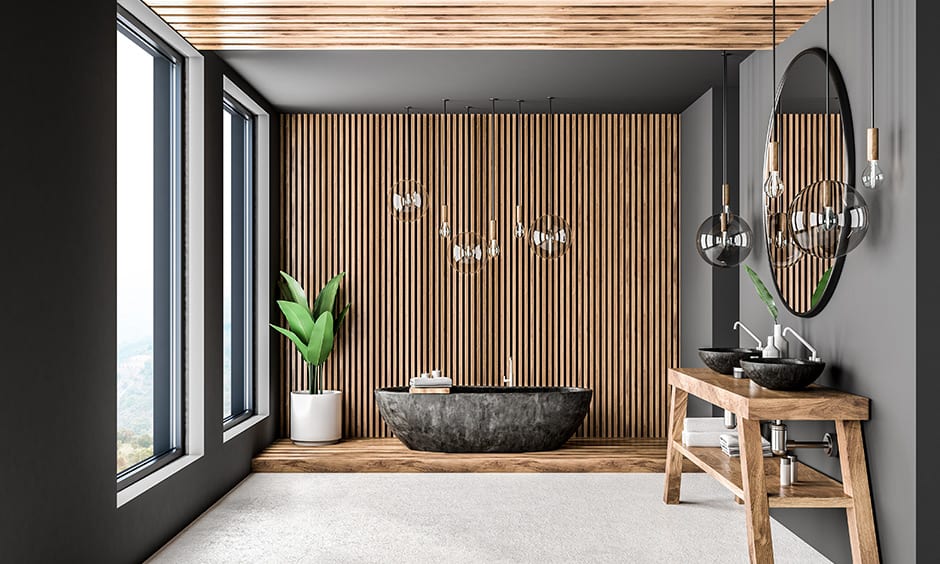
A bathroom can expose every weak choice in a home faster than any living room ever will. You notice the cold lighting, the thin towels, the cluttered counter, and the tile that looked fine in a showroom but feels flat at 7 a.m. That is why luxury bathroom decor matters so much for American homeowners who want daily comfort without turning the room into a museum. The best spaces do not scream for attention. They slow you down, support your routine, and make ordinary moments feel handled. A bathroom in a Dallas townhome, a Chicago condo, or a coastal Florida house can feel polished when every surface, fixture, and storage choice works together. For homeowners comparing trusted home improvement ideas, premium lifestyle updates can also help connect design choices with long-term property value. Real comfort comes from details you touch every day: warm light near the mirror, a vanity that clears the counter, stone that feels grounded, and soft finishes that make the room feel lived in instead of staged.
Luxury Bathroom Decor Starts With Materials That Feel Worth Touching
Good bathrooms are seen. Great bathrooms are felt. The difference often starts with surfaces because your hands, feet, and eyes meet them every day. Cheap finishes can look acceptable in photos, but they wear out emotionally before they wear out physically. Better materials create confidence because they do not beg for attention every time you walk in.
Why High-End Bathroom Finishes Should Never Feel Fragile
High-end bathroom finishes work best when they balance beauty with daily abuse. A marble-look porcelain floor can serve a busy family better than soft natural marble if kids track water across it every night. That does not make it less refined. It makes it smarter.
American bathrooms deal with hard water, humidity, hair products, makeup spills, and rushed weekday routines. A polished surface that stains from one dropped bottle creates stress, not comfort. The smarter move is to choose finishes that look rich but forgive real life, like honed quartz counters, textured porcelain tile, sealed natural stone, and brushed metal hardware.
A counterintuitive truth: the most expensive material is not always the most luxurious one. The most luxurious material is the one that stays calm under pressure. A guest should admire it, but you should not have to babysit it.
How Texture Adds Warmth Without Making the Room Busy
Texture gives a bathroom depth when color stays quiet. A ribbed vanity front, fluted glass panel, woven stool, or matte plaster wall can soften a room that might otherwise feel cold. This matters in many newer American homes where builder-grade bathrooms often start with hard white surfaces and chrome fixtures.
Spa bathroom design often succeeds because it layers texture instead of adding visual noise. A stone tray beside the sink, a cotton bath mat, and a soft wood accent can shift the whole room without changing the floor plan. The space feels more expensive because the eye has somewhere to rest.
The trick is restraint. One textured wall can feel tailored. Five competing textures can feel like a sample board fell over. You want the bathroom to feel composed, not decorated by panic.
Vanity, Lighting, and Mirrors Shape the Daily Experience
Once the surfaces feel right, the next layer is function you can see and use. The vanity area carries the room because it hosts the most personal moments: shaving, skincare, makeup, handwashing, and the last mirror check before leaving home. This zone has to flatter the face, hold the mess, and still feel calm at the end of the day.
What Makes Upscale Vanity Lighting Feel Natural?
Upscale vanity lighting should make your face look honest, not harsh. Overhead light alone creates shadows under the eyes and chin, which is why even an expensive bathroom can feel uncomfortable. Side lighting, backlit mirrors, or vertical sconces near eye level give better balance.
In a New York apartment with limited square footage, a backlit mirror can replace bulky wall fixtures while adding a soft evening glow. In a larger suburban primary bath, paired sconces beside two mirrors can make the vanity feel custom without adding much complexity. The goal is not drama for its own sake. The goal is useful light that makes the room easier to live in.
Warm color temperature matters too. Light that feels too blue can turn stone, paint, and skin tones cold. A warm white bulb often makes tile richer and mornings less punishing.
Why the Mirror Is More Than a Reflective Surface
A mirror can change the mood of a bathroom as much as tile. A thin frameless mirror can feel clean, but it may disappear against a plain wall. A framed mirror in oak, brass, black metal, or soft nickel can give the room a clear design point.
The mistake many homeowners make is choosing a mirror as an afterthought. They spend money on tile, then hang something undersized above the sink. That small gap between investment and finish is where a bathroom loses its authority.
Luxury bathroom decor reaches its best form when the mirror, vanity, and lighting feel designed as one piece. A wide mirror can expand a narrow powder room. Twin mirrors can bring rhythm to a shared bathroom. A medicine cabinet with a refined frame can hide clutter without looking clinical.
Storage Should Hide the Mess Without Hiding the Personality
A bathroom cannot feel premium when every product lives on the counter. Still, storage should not strip the room of warmth. The goal is not an empty space. The goal is a space where useful things have a place and the visible items earn their spot. That balance separates a cold showroom look from a room you want to use.
How Elegant Bathroom Storage Changes the Whole Room
Elegant bathroom storage works because it reduces daily friction. Deep drawers beat deep cabinets for most homeowners because drawers bring products forward instead of forcing you to dig in the dark. Dividers, pull-out trays, and hidden outlets can make morning routines faster without adding visible clutter.
A family bathroom in Phoenix may need storage for sunscreen, hair tools, towels, and cleaning supplies. A guest bath in Boston may only need extra hand towels, soap, and paper goods. The design should match the room’s actual job, not a fantasy version of how people live.
Built-in niches can also help, but they need careful placement. A shower niche that cuts awkwardly through tile can cheapen a wall. A tall vertical niche, lined up with the tile pattern, feels intentional and keeps bottles from crowding the floor.
When Open Shelving Works and When It Fails
Open shelving looks beautiful when it holds the right things. Rolled towels, a ceramic bowl, a small framed print, or a candle can warm the room. Plastic bottles, backup toothpaste, and half-used jars do the opposite.
The honest rule is simple: open shelves are display, not storage. Closed storage should handle the visual noise. Open shelves should carry the room’s personality in small doses.
That is why a floating wood shelf above a freestanding tub can work in a calm primary bath, while three open shelves over a toilet may become clutter within a week. Design has to predict behavior. A beautiful plan that ignores habits will not stay beautiful for long.
Color, Scent, and Soft Details Create the Feeling of Retreat
After materials, lighting, and storage are handled, the final layer decides how the bathroom feels emotionally. This is where scent, textiles, color, art, and small comforts come in. These choices may cost less than tile or fixtures, but they often control whether the space feels finished. A bathroom without softness can look expensive and still feel unfriendly.
Why Spa Bathroom Design Depends on Restraint
Spa bathroom design is not about copying a hotel. Hotels are designed for short stays. Your bathroom has to support sleepy mornings, late showers, laundry baskets, and the quiet reset after a long day.
Soft neutrals, clay tones, warm whites, muted greens, and stone grays work well because they let texture and light carry the room. Strong color can work too, especially in powder rooms, but the color needs discipline. A deep navy vanity with brass hardware can feel sharp. Navy walls, patterned tile, bold art, and bright towels may compete too hard.
The unexpected insight is that calm rooms still need contrast. A bathroom with every surface in the same pale shade can feel washed out. Add contrast through dark hardware, wood, stone veining, or a framed mirror so the room has shape.
How Small Luxuries Make the Space Feel Personal
Small details decide whether a bathroom feels cared for. Thick towels, a proper bath mat, a stool near the tub, a small vase, a covered waste bin, and matching dispensers can lift the room without a remodel. These details work because they meet the body first.
Scent deserves special care. A clean, low-key fragrance can make the room feel fresh, but heavy perfume can turn comfort into irritation. Reed diffusers, eucalyptus bundles, or a mild candle work better than anything too sweet or sharp.
High-end bathroom finishes set the foundation, but these softer choices make the room feel like yours. A bathroom should not feel copied from a catalog. It should feel like the one private space in the house where taste and routine finally agree.
Conclusion
A premium bathroom is not built by chasing every expensive option. It is built by making fewer, better decisions and letting those decisions support daily life. Start with the parts you touch and see most: the vanity, the mirror, the light, the floor, the towels, and the storage. Those choices carry more weight than decorative extras ever will.
The strongest homes in the U.S. are moving toward rooms that feel personal, durable, and calm instead of flashy for photos. That shift is good news because luxury bathroom decor is not about showing off. It is about building a room that treats your morning and evening routines with respect.
Choose one weak spot in your bathroom this week and fix it with intention. Replace the harsh light, clear the counter, upgrade the towels, or add storage that solves a real problem. Small changes become powerful when they make the room feel easier to live in every single day.
Frequently Asked Questions
What are the best luxury bathroom ideas for small homes?
Use wall-mounted vanities, large mirrors, soft lighting, and light-reflective tile to make a small bathroom feel open. Keep storage closed wherever possible. One rich finish, such as brass hardware or textured tile, creates a premium feel without crowding the space.
How can I make a bathroom look expensive on a budget?
Upgrade the lighting, mirror, towels, cabinet hardware, and counter accessories before replacing major fixtures. These changes affect the room’s daily appearance fast. A clean counter, coordinated finishes, and warm light can make even a modest bathroom feel polished.
Which colors work best for a luxury bathroom?
Warm white, soft gray, stone beige, muted green, clay, charcoal, and deep navy all work well. The best color depends on light and room size. Calm base colors with one strong accent usually feel more refined than too many competing tones.
What bathroom decor adds the most home value?
Vanity upgrades, quality lighting, durable tile, better storage, and fresh fixtures often add the most appeal. Buyers notice bathrooms that feel clean, updated, and easy to maintain. Overly personal finishes may look good to you but can limit broad resale appeal.
How do I create a spa-like bathroom at home?
Start with warm lighting, soft towels, closed storage, calming scent, and natural textures. Add a stool, bath tray, or plant if space allows. The room should feel simple, clean, and restful rather than packed with decorative items.
Are gold fixtures still good for bathroom design?
Gold fixtures can still look refined when the finish is soft, brushed, or muted. Bright yellow gold can feel dated in some rooms. Pair gold with stone, warm white, wood, or deep color so it feels intentional instead of flashy.
What is the best lighting for a premium bathroom vanity?
Side lighting near face level gives the most flattering result. Sconces, vertical fixtures, or a quality backlit mirror can reduce shadows better than ceiling light alone. Use warm white bulbs so skin tones, tile, and metal finishes look natural.
How many decor pieces should a bathroom have?
Use fewer pieces than you think you need. A tray, soap dispenser, towel set, small plant, framed art, or candle may be enough. The best bathrooms leave breathing room so the surfaces, lighting, and fixtures can carry the design.