
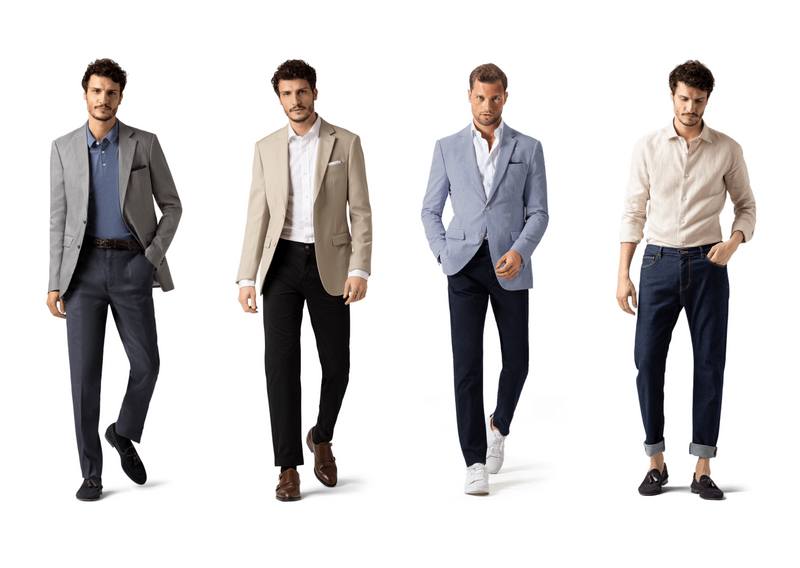
A strong work look does more than make you presentable; it changes how you carry yourself before the first meeting even starts. The best office outfits give American professionals that quiet edge: neat, ready, and serious without looking stiff. Good workwear should not feel like a costume you put on at 8 a.m. and escape from at 5 p.m. It should move through a packed day with you, from the commute to the conference room to the coffee run after lunch.
That is where professional image building becomes more than surface-level style. Clothes send signals before your resume, your pitch, or your ideas get a chance to speak. A jacket that fits cleanly, shoes that look cared for, and colors that do not fight each other can make a normal Monday feel steadier.
Still, polished dressing is not about chasing perfection. Most people do not need a closet full of expensive suits. They need smart choices that repeat well, mix easily, and hold up under the pressure of a real workweek.
Building a Work Wardrobe That Looks Polished Without Feeling Overdressed
A polished work wardrobe starts with control, not quantity. Many professionals own too many pieces and still feel underdressed because the items do not work together. The smarter move is to build a base that feels calm, sharp, and repeatable across different American workplaces, whether you work in a law office in Chicago, a marketing agency in Austin, or a school administration office in Atlanta.
Why Professional Wardrobe Staples Matter More Than Trend Pieces
Professional wardrobe staples save you from the morning guessing game. A clean blazer, tailored trousers, a crisp button-down, a knit top, and neat shoes can carry more weight than ten trendy pieces that only work once. These are the clothes that make you look like you planned your day, even when the morning was messy.
A navy blazer is a good example. It can sit over a white shirt on Monday, a fine knit on Wednesday, and a simple dress on Friday. That one piece can shift tone without asking for attention. In a workplace, that matters because attention should land on your work first.
The mistake is thinking staples must be dull. They only look dull when the fit is careless. A plain pair of trousers with a clean break at the shoe can look more expensive than a loud designer piece that pulls at the waist or drags at the hem. Fit is the quiet boss in every work outfit.
Professional wardrobe staples also protect your budget. Instead of buying something because it looks good on a hanger, you start asking whether it can serve three different days. That question alone keeps half the bad purchases out of your closet.
How Classic Work Outfits Create a Reliable Morning System
Classic work outfits work because they remove drama from the start of the day. A reliable formula might be trousers, a blouse, loafers, and a structured layer. Another might be a sheath dress, low heels, and a cardigan with clean lines. The pieces change, but the logic stays steady.
American offices vary, so the formula should bend to your setting. A finance office in New York may expect sharper tailoring, while a creative team in Portland may accept softer shapes and richer texture. The goal is not to copy one dress code. The goal is to understand the level of polish your workplace respects.
One counterintuitive truth is that repeating outfit formulas often makes you look more stylish, not less. People remember consistency as taste. They do not track whether you wore the same black trousers last Tuesday unless the outfit looks neglected.
Classic work outfits also make travel days easier. A wrinkle-resistant shirt, dark trousers, and a blazer can move from airport to client meeting without looking tired. That matters for professionals who do not have time to change between obligations.
Choosing Fit, Fabric, and Color With Real Workdays in Mind
Style falls apart when it ignores the body in motion. A jacket that looks sharp while standing can fail the second you sit at a desk. A dress that photographs well can become a problem after four hours of meetings. The best work clothes respect the whole day, not the mirror moment before you leave home.
Why Fit Should Feel Clean, Not Tight
Good fit gives shape without trapping you. Sleeves should let your arms move, waistbands should stay in place without digging, and shoulder seams should sit where your shoulders actually end. That sounds simple, yet it is where many work looks go wrong.
Tight clothing often gets mistaken for tailored clothing. They are not the same. Tailoring creates direction and balance. Tightness creates tension. A pencil skirt that twists when you walk or a shirt that gaps at the buttons does not read as polished; it reads as a distraction.
A practical example helps. If you sit through long meetings, test trousers by sitting before buying them. If the fabric pulls hard across the thigh or the waistband folds, the cut is fighting your day. Workwear should not demand constant adjustment.
Polished office style depends on ease more than people admit. When you are not tugging at sleeves or checking hemlines, you look more composed. The clothes disappear into your presence, which is exactly what good workwear should do.
What Colors Make Business Casual Clothing Look More Intentional?
Business casual clothing can look scattered when color has no plan. A closet built around navy, charcoal, black, cream, white, camel, olive, and soft blue usually creates more outfit options than one packed with random bright pieces. Neutrals do not limit you; they give every piece a job.
Color contrast should match the message you want to send. High contrast, like black trousers with a white blouse, feels sharper and more formal. Lower contrast, like taupe with ivory or navy with gray, feels calmer and more approachable. Neither is better. The right choice depends on the room.
A manager leading a client presentation may want higher contrast because it holds attention. Someone handling internal training may choose softer tones because they feel less severe. Small color decisions shape the emotional temperature of an outfit.
Business casual clothing also benefits from one controlled accent. A burgundy belt, patterned scarf, or textured shoe can make a simple outfit feel chosen rather than automatic. The trick is stopping at one accent before the look starts competing with itself.
Dressing for Different Office Settings Without Losing Your Personal Style
No single work uniform fits every office anymore. Hybrid schedules, relaxed Fridays, coworking spaces, and industry-specific norms have changed how Americans dress for work. Still, relaxed does not mean careless. A smart wardrobe reads the room and keeps your personal style inside the rules instead of pushing against them.
How to Read the Dress Code Beneath the Written Policy
A written dress code tells you what is allowed. The real dress code tells you what is respected. You learn that by watching what successful people in the room wear on normal days, not on special events. Their choices show the office standard more clearly than a handbook.
A tech office may allow jeans, but the people taken seriously often wear dark denim, clean sneakers, and structured layers. A nonprofit office may seem casual, yet leadership may still favor neat dresses, cardigans, and closed-toe shoes during donor meetings. The surface rules can fool you.
The unexpected insight is that dressing one notch above the room often works better than dressing at the top of the scale. Too formal can create distance. Slightly sharper than average suggests self-respect without making coworkers feel judged.
Polished office style should still leave room for personality. A signature watch, soft patterned blouse, textured blazer, or distinctive shoe can say something about you without turning the outfit into a performance. Work style is strongest when it whispers with confidence.
How Can Professional Wardrobe Staples Adapt to Hybrid Work?
Hybrid work made many people split their closets in two: home comfort on one side, office polish on the other. That split creates awkward outfits. The better solution is to choose professional wardrobe staples that feel comfortable enough for home but structured enough for in-person days.
A knit blazer is a strong example. It feels less rigid than a traditional suit jacket but still frames the body on video calls. Wide-leg trousers with a clean waistband can feel as easy as lounge pants while looking far more prepared. A fine-gauge sweater can replace a button-down when the day calls for quiet polish.
Shoes matter more on hybrid days than people expect. Slipping into cared-for loafers or low boots can shift your posture even if half the day happens at home. The body often follows the signal.
This is where classic work outfits earn their place again. A simple base layer, structured topper, and clean bottom can move across laptop calls, errands, and office hours. The formula keeps you from looking split between two lives.
Making Accessories, Shoes, and Grooming Support the Whole Look
The final layer of work style is not about adding more. It is about removing friction. Accessories, shoes, hair, grooming, and bag choice either support the outfit or quietly weaken it. A strong look can lose authority through scuffed shoes, an overstuffed tote, or jewelry that distracts during every hand movement.
Why Shoes and Bags Carry More Visual Weight Than People Think
Shoes sit far from the face, but they carry a surprising amount of judgment. People may not name the brand, yet they notice condition. Clean loafers, simple heels, ankle boots, or polished flats can make modest clothing look more intentional.
A work bag does the same job. A structured tote, slim backpack, or leather satchel gives the whole outfit a cleaner line. An overloaded bag with papers sticking out can make even a neat blazer look chaotic. The bag does not need to be expensive. It needs shape, function, and care.
A real-world example shows up in interviews. Two candidates may wear similar shirts and trousers, but the one with clean shoes and a neat folder often appears more prepared before speaking. That impression may not be fair, but it happens.
Accessories should serve the room. Small earrings, a watch, a belt, or one clean necklace can complete a look without stealing focus. When accessories make noise, flash too much, or need constant adjusting, they stop supporting you.
How Business Casual Clothing Stays Sharp Through Small Details
Business casual clothing needs stronger details because it has less formality to hide behind. A suit creates instant structure. A casual blouse and chinos need help from pressing, proportion, and finish. Small misses show faster in relaxed outfits.
Sleeves should not bunch under cardigans. Shirts should not look tired at the collar. Pants should meet the shoe with intention. These small points make the difference between “comfortable professional” and “forgot I had a meeting.”
Grooming also belongs in the outfit conversation. Neat hair, clean nails, and fresh-looking fabric send the same message: you pay attention. That does not mean high maintenance. It means the visible pieces of your presentation agree with each other.
The strongest work looks are rarely the loudest ones. They are the ones where every detail seems settled. No tugging, no clashing, no apology hiding in the outfit. You look ready because nothing is fighting for correction.
Conclusion
A polished wardrobe is not about dressing like someone else. It is about building a work identity that helps you enter rooms with less hesitation and more control. When your clothes fit your role, your body, and your actual schedule, you stop treating style as a morning problem.
The smartest office outfits are the ones that make confidence easier to access. They do not shout for attention. They create a steady frame around the person wearing them. That matters in American workplaces where first impressions, daily trust, and professional presence often grow from small signals repeated over time.
Start with one outfit formula that works on your hardest day, not your easiest one. Build around pieces you can repeat, fabrics you can live in, and details that make you feel prepared before you speak. Then refine slowly.
Choose your next work look with intention, because the right outfit does not do your job for you, but it can help you show up like you are ready to own it.
Frequently Asked Questions
What are the best classic work outfits for women in an office?
Tailored trousers with a blouse and blazer work well for most offices. A sheath dress with low heels or loafers also feels polished without looking stiff. Choose clean lines, modest necklines, and fabrics that hold shape through sitting, walking, and meetings.
How can men dress better for a business casual workplace?
Start with well-fitting chinos or trousers, button-down shirts, knit polos, and clean leather shoes. Add a blazer when the day requires more polish. Avoid wrinkled shirts, worn sneakers, and oversized pieces because relaxed dress codes still require care.
What colors look most professional for office clothing?
Navy, charcoal, black, white, cream, camel, gray, and soft blue usually look professional across many workplaces. These shades mix easily and create calm authority. Add one accent color through a belt, scarf, blouse, or tie when the outfit needs more personality.
How many work outfits should a professional wardrobe have?
A strong starter wardrobe can work with five to seven reliable outfit combinations. The key is choosing pieces that mix across multiple looks. Two blazers, three bottoms, several tops, and two pairs of work shoes can create more variety than most people expect.
Are jeans acceptable in a polished office wardrobe?
Dark, clean, straight-leg jeans can work in casual or creative offices when styled with structured pieces. Pair them with a blazer, neat blouse or shirt, and polished shoes. Distressed denim, faded washes, and sloppy fits usually feel too casual for professional settings.
What shoes are best for long office workdays?
Loafers, low block heels, ankle boots, ballet flats with support, and clean dress sneakers can work depending on the dress code. Comfort matters, but the shoe should still look cared for. Scuffed, flimsy, or overly sporty shoes weaken an otherwise polished outfit.
How do I make affordable work clothes look expensive?
Focus on fit, fabric care, and simple color coordination. Steam or press clothing, tailor hems when needed, and choose structured basics over loud trend pieces. Affordable clothes look better when they fit cleanly and appear well maintained from collar to shoe.
What should I avoid wearing to a professional office?
Avoid wrinkled clothing, visible wear, overly tight fits, loud distracting accessories, and shoes that look neglected. Skip anything that needs constant adjusting during the day. A professional outfit should let you focus on work, not on fixing your clothes.