
A quiet lab result can change the way you look at breakfast, grocery aisles, and even your evening walk. For many adults in the United States, cholesterol control tips become personal only after a doctor points to LDL, HDL, triglycerides, or family history and says, “We need to watch this.” The good news is that cholesterol is not a moral scorecard. It is a health signal, and signals can guide better choices.
Your body needs cholesterol, but too much LDL cholesterol can raise the risk of heart disease and stroke, while HDL helps carry cholesterol back to the liver for removal. That basic difference matters because the goal is not to fear food or chase perfect numbers; the goal is to build repeatable habits that protect your arteries over time.
That is why steady, practical change beats panic. A smart plan might include better fats, more fiber, consistent movement, weight management when needed, and regular checkups. For readers who follow health and wellness content through trusted online platforms like healthy lifestyle resources, the biggest win is learning how small daily choices shape long-term heart health.
Build Your Plate Around Foods That Help Your Numbers
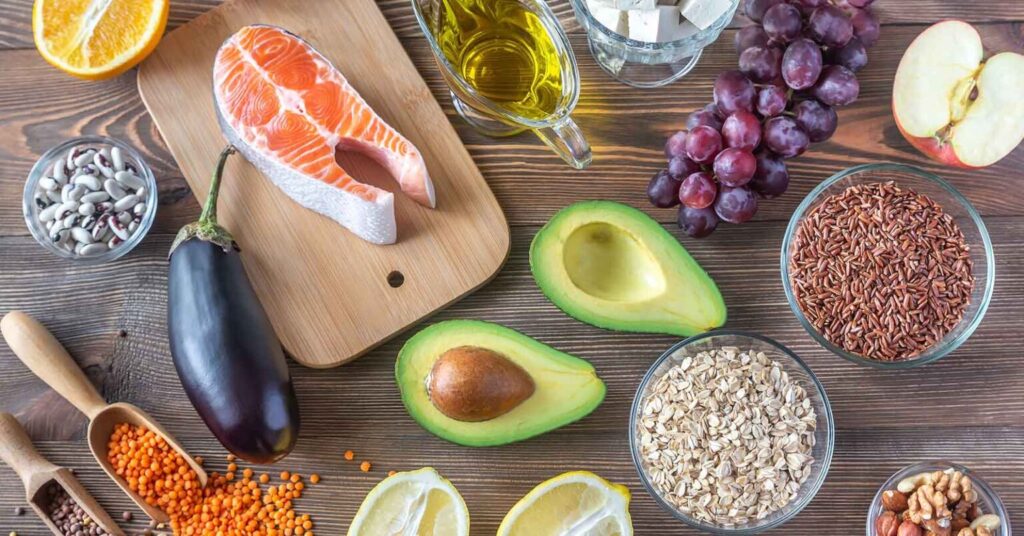
Food does not need to become a punishment system. The strongest cholesterol-friendly plate in an American home usually looks familiar: vegetables, beans, oats, fruit, fish, lean proteins, nuts, and whole grains. The shift is not about eating like a different person. It is about giving your usual meals a better job.
CDC guidance recommends choosing foods lower in saturated fat, trans fat, sodium, and added sugars, including whole grains, fruits, vegetables, lean meats, seafood, and low-fat dairy options. That advice sounds plain, but plain is where most progress happens.
Choose Fats That Work With Your Heart
Fat is not the enemy. The wrong pattern of fat is the problem. A lunch built around fried chicken, chips, and a creamy dessert does more damage than one cooked with olive oil, salmon, avocado, or a small handful of walnuts.
The American Heart Association recommends limiting saturated fat to less than 6% of total daily calories because it can raise LDL cholesterol. Saturated fat shows up often in butter, cheese, red meat, full-fat dairy, and tropical oils. That does not mean nobody can ever eat a cheeseburger again. It means the default meal should not make your arteries do extra cleanup every day.
A counterintuitive truth helps here: the goal is not to remove richness from food. It is to move richness to smarter places. Roasted vegetables with olive oil, oatmeal with nuts, or tacos with beans and avocado can feel satisfying without leaning on the fats most linked with higher LDL.
Make Fiber the Quiet Daily Worker
Fiber has no dramatic marketing campaign, which is a shame. It does a lot of the boring work that better cholesterol numbers depend on. Oats, beans, lentils, apples, berries, barley, and vegetables help meals feel fuller while supporting healthier blood lipid patterns.
A typical U.S. breakfast can become stronger without looking strange. Swap a sweet pastry for oatmeal with berries and chopped nuts. Replace a low-fiber sandwich bread with a whole-grain option. Add beans to chili, soup, or taco bowls instead of treating them like a side dish nobody asked for.
The hidden benefit is appetite control. Many people try to lower cholesterol by removing foods, then get hungry and swing back hard at night. Fiber gives the plan more staying power. It helps the meal hold you, which keeps the next decision from becoming a snack attack.
Cholesterol Control Tips for Daily Movement and Weight Balance
Exercise is often sold like a body-shape project, but your bloodstream sees it differently. Movement helps your body handle fats, blood sugar, blood pressure, stress, and weight in one connected system. That is why a walking plan can matter even when the scale moves slowly.
NHLBI notes that regular physical activity and less sitting can help manage weight, lower LDL cholesterol, raise HDL cholesterol, lower triglycerides, and support heart and lung fitness. That is a lot of return from a habit that can start with shoes and a sidewalk.
Use Walking as a Real Health Tool
Walking gets underestimated because it feels too ordinary. That is exactly why it works. A person who will never join a gym may still walk after dinner, park farther from the store, or take calls while moving around the block.
A practical target for many adults is 30 minutes of brisk walking on most days, after checking with a healthcare professional when health conditions make exercise risky. Mayo Clinic also notes that regular exercise can help raise HDL cholesterol, and it points to working toward 30 minutes of activity five days a week or 25 minutes of vigorous activity three days a week.
The trick is to stop treating walking as “not enough.” A brisk walk after a heavy dinner may do more for consistency than a punishing workout you avoid by Thursday. Boring wins when boring keeps happening.
Strength Training Helps More Than People Expect
Cardio gets most of the attention, but muscle matters. Strength training supports better body composition, steadier glucose control, and better long-term weight balance. Those changes can support healthier cholesterol patterns even when the workout does not look intense.
You do not need a garage full of equipment. Squats to a chair, wall pushups, resistance bands, step-ups, and light dumbbell rows can form a simple routine. Two or three sessions a week can change how your body uses energy, especially when paired with enough protein and fiber.
The unexpected part is that strength work can make food choices easier. People who feel stronger often treat their meals with more respect. Not perfect. But often enough to change the pattern.
Read Labels Like Someone Who Refuses to Be Fooled
The modern grocery store is full of health claims that sound better than the food inside the package. “Low fat,” “natural,” “made with whole grains,” and “zero trans fat” can distract from saturated fat, added sugar, sodium, and serving size. A smart shopper looks past the front label.
FDA information on trans fat is blunt: eating trans fat raises LDL cholesterol, and elevated LDL raises heart disease risk. The FDA also states that trans fat must appear on the Nutrition Facts label. That is the kind of detail worth checking before a food becomes part of your routine.
Watch Saturated Fat Before You Watch Marketing Claims
A frozen meal can look lean and still carry more saturated fat and sodium than you expect. A coffee drink can feel harmless and still act like dessert. A protein bar can wear gym clothing and behave like candy.
Start with the Nutrition Facts label. Look at saturated fat, trans fat, added sugars, sodium, and serving size before trusting the package language. A food that seems fine at one serving can become a problem when the real portion is two or three servings.
This is where honesty beats perfection. If you love ice cream, buy a smaller container or set a realistic serving. If you love cheese, use a sharper cheese in a smaller amount. Flavor does not need to disappear; it needs boundaries.
Be Careful With “Zero Trans Fat” Thinking
The U.S. food supply has improved since partially hydrogenated oils were removed from many processed foods, but the habit of checking labels still matters. Packaged snacks, baked goods, frostings, and fried restaurant foods can still push a diet in the wrong direction when they become daily staples.
The FDA determined in 2015 that partially hydrogenated oils were not generally recognized as safe, a major step in reducing artificial trans fat exposure. That history matters because it shows how much food processing can shape heart risk long before a person feels any symptom.
A good rule is simple: fewer mystery fats, fewer ultra-processed defaults, fewer “snack meals” pretending to be lunch. Most people do not need a perfect pantry. They need fewer traps sitting at eye level.
Work With Your Doctor Before Numbers Become a Crisis
Cholesterol care is not a solo contest. Food and movement matter, but genetics, age, diabetes, blood pressure, smoking history, kidney disease, thyroid conditions, and medications can all shape cholesterol levels. Some people can eat well and still need medicine. That is not failure. That is biology.
NHLBI explains that unhealthy lifestyle patterns are common causes of high LDL or low HDL, but inherited genes, medical conditions, and some medicines can also raise LDL or lower HDL. That point protects people from shame and helps them make better decisions sooner.
Get Tested Before You Guess
High cholesterol usually does not announce itself with a dramatic warning sign. That is the dangerous part. A person can feel normal while LDL climbs for years, which makes blood testing one of the most practical tools in heart prevention.
Adults should follow their clinician’s testing schedule, especially if they have family history, high blood pressure, diabetes, past smoking, excess weight, or previous abnormal results. The number itself is only part of the story. Your doctor also looks at total risk.
Bring questions to the visit. Ask what your LDL means, what target makes sense for you, whether triglycerides need attention, and how long lifestyle changes should be tried before retesting. A five-minute conversation can prevent months of guessing.
Take Medicine Seriously When Lifestyle Is Not Enough
Medication can feel discouraging to someone who wanted to solve cholesterol through discipline alone. That reaction is common, but it can be unfair to the body. Some people inherit cholesterol patterns that do not respond enough to diet and exercise.
CDC treatment guidance says people can lower LDL through lifestyle changes such as choosing foods lower in saturated and trans fats and maintaining a healthy weight, while some people may also need cholesterol-lowering medicine. The best plan is the one that lowers risk, not the one that protects pride.
A statin, or another prescribed treatment, does not cancel the value of better meals and movement. It often works beside them. That partnership can be powerful when the goal is not only a better lab report, but fewer heart problems later.
Make the Plan Fit Real American Life
The best health advice survives busy mornings, kids’ schedules, long commutes, budget limits, and takeout nights. Advice that only works in a perfect kitchen is not advice. It is decoration.
That is why cholesterol care should be built around repeatable choices. A family in Ohio might use canned beans, frozen vegetables, turkey chili, and Sunday oatmeal jars. A single worker in Texas might keep tuna packets, apples, Greek yogurt, and whole-grain wraps ready. A retiree in Florida might walk the mall before lunch and cook fish twice a week.
Plan for Restaurants Instead of Avoiding Them
Restaurant eating is part of American life. Birthdays, work lunches, road trips, and Friday nights will happen. The answer is not hiding at home with steamed broccoli. The answer is knowing what to order before hunger starts negotiating.
Choose grilled, baked, roasted, or steamed meals more often than fried ones. Ask for sauces and dressings on the side. Pick beans, vegetables, salad, fruit, or a baked potato more often than fries. Split a rich entree when the portion is built for two people.
The counterintuitive move is to decide your treat before you arrive. If dessert matters, choose a lighter main dish. If the burger matters, skip the creamy appetizer. Freedom works better when it has a plan.
Build a Home Routine That Runs on Defaults
A strong cholesterol routine is less about motivation and more about defaults. Keep the foods you want to eat within reach, and make the foods that pull you off track less automatic. The kitchen has more power than willpower gets credit for.
Stock oats, beans, lentils, brown rice, vegetables, fruit, fish, skinless poultry, nuts, low-fat yogurt, and olive oil. Keep a short list of fast meals you can make when the day falls apart: bean tacos, salmon with frozen vegetables, turkey chili, lentil soup, or a whole-grain turkey wrap.
The point is not to turn your life into a medical chart. The point is to make the healthy choice less dramatic. When the default gets better, the numbers often follow with less emotional strain.
Conclusion
Better cholesterol habits do not ask you to become perfect. They ask you to become consistent enough that your body gets a different message most days. That message comes from what you cook, how often you move, what you buy, how you read labels, and whether you take medical guidance seriously.
The smartest cholesterol control tips are not flashy. Eat more fiber. Change the fats you use most often. Walk with purpose. Strengthen your body. Check your numbers. Work with your doctor when lifestyle alone does not move LDL enough. Those actions sound ordinary because real prevention usually does.
Start with one change you can repeat this week, not ten changes you will abandon by Sunday. Build the next one after that. Your heart does not need a grand performance; it needs steady proof that you are paying attention.
Frequently Asked Questions
What are the best foods to eat for lower LDL cholesterol?
Oats, beans, lentils, apples, berries, vegetables, nuts, fish, and whole grains are strong choices. These foods support fiber intake, healthier fats, and better meal balance. Replacing fried foods and high-saturated-fat meats with these options can help improve LDL patterns over time.
How much exercise helps improve cholesterol levels?
Many adults benefit from working toward 150 minutes of moderate activity per week, such as brisk walking, along with strength training. People with heart disease, diabetes, chest pain, or major health concerns should ask a clinician what level of activity is safe before starting.
Can high cholesterol happen even with a healthy diet?
Yes. Family history, age, medical conditions, and certain medicines can affect cholesterol levels. Some people need medication even with strong habits. That does not mean lifestyle changes failed; it means the body needs more support to reduce long-term heart risk.
What is the difference between LDL and HDL cholesterol?
LDL is often called bad cholesterol because high levels can raise heart disease and stroke risk. HDL is often called good cholesterol because it helps carry cholesterol back to the liver for removal. Doctors look at both numbers, plus triglycerides and total risk.
Are eggs bad for cholesterol health?
Eggs can fit into many heart-conscious diets, but the full meal matters. Eggs with vegetables and whole-grain toast are different from eggs with bacon, sausage, buttered biscuits, and fried potatoes. People with diabetes or heart disease should ask their clinician for personal guidance.
How often should adults check cholesterol levels?
Testing frequency depends on age, past results, family history, and overall heart risk. Many adults are checked every few years, while people with high cholesterol or higher risk may need more frequent testing. Your doctor can set the right schedule.
Do cholesterol medicines replace healthy lifestyle habits?
No. Medicine can lower risk, but food, movement, weight balance, sleep, and smoking status still matter. The strongest results often come from combining prescribed treatment with daily habits that support the heart instead of working against it.
What is the easiest first step for better cholesterol health?
Start with breakfast or walking. A bowl of oatmeal with fruit and nuts or a 20-minute brisk walk after dinner is simple enough to repeat. One reliable habit creates momentum, and momentum makes the next heart-friendly choice easier.