
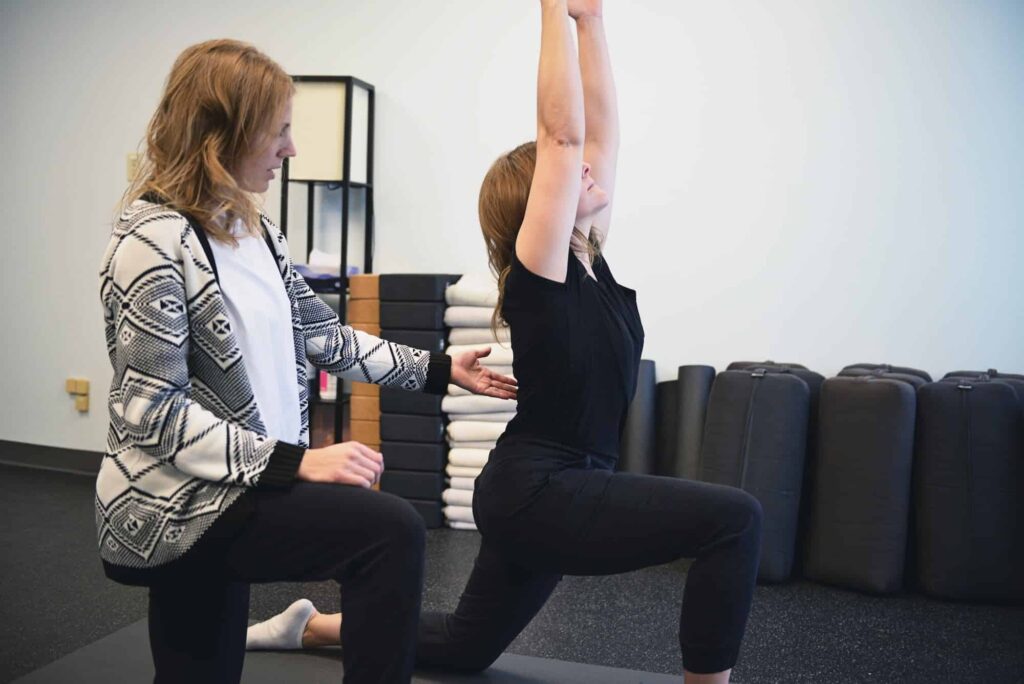
A stiff morning can make a normal day feel older than it should. For many Americans, flexible aging bodies are not built through punishing workouts but through small, patient movements repeated with care. The goal is not to move like a twenty-year-old. The goal is to keep reaching the top shelf, stepping off curbs, turning in the shower, kneeling in the garden, and getting out of a chair without holding your breath. That kind of freedom matters. It protects confidence as much as comfort. A practical wellness routine, supported by trusted lifestyle resources like healthy aging guidance, works best when it respects real bodies, real homes, and real schedules. You do not need a gym membership, expensive gear, or a dramatic fitness reset. You need movements that meet you where you are, then ask your joints to stay awake. Slowly. Kindly. Consistently.
Why Gentle Daily Movement Keeps Aging Bodies Independent
Aging changes how your body handles movement, but it does not erase your ability to improve. The mistake many people make is waiting until stiffness becomes pain before they pay attention. Independence is usually protected in small moments, long before a doctor, walker, or physical therapy plan enters the picture.
How Stiffness Creeps Into Ordinary American Routines
Modern life quietly trains the body to shrink its range. Long drives, recliners, desk work, streaming nights, and short walks from the car to the store all ask less from your joints than daily life used to. The body listens. Ankles lose spring, hips tighten, shoulders round, and the spine starts turning less.
That change feels minor until a simple task exposes it. A person in Ohio may feel fine all week, then struggle while twisting to back the car out of the driveway. Someone in Florida may walk the dog daily yet feel unsteady stepping over a low beach chair. Fitness was not missing. Range was missing.
The counterintuitive part is that comfort can make stiffness worse. Soft chairs, elevator access, and fewer floor-level tasks protect tired bodies in the moment, but they also reduce the tiny movements that keep joints familiar with real life. Comfort helps. Too much stillness steals options.
Why Small Range Matters More Than Big Effort
Strong movement does not always look athletic. Sometimes it looks like circling your ankles before standing, gently turning your neck before driving, or opening your hands after holding a phone too long. These motions remind the nervous system that movement is safe.
Low impact stretching works well because it lowers the threat level. The body often guards tight areas because it expects pain, not because the tissue is permanently stuck. A slow calf stretch by the kitchen counter can do more good than a forced routine that leaves someone sore and discouraged.
Joint flexibility routines also build trust between the brain and body. When movement feels predictable, the body stops bracing so hard. That is why ten calm minutes each morning often beats one ambitious Saturday session. The body prefers honest repetition over heroic bursts.
Building a Safe Routine Without Turning It Into a Chore
A routine fails when it feels like another job. Older adults already manage appointments, errands, family calls, medications, bills, meals, and the quiet mental work of keeping life steady. Movement must fit inside that reality, not compete with it.
Start Where the Body Already Feels Willing
The best entry point is rarely the tightest joint. Begin with the area that moves with the least complaint. For many people, that might be the hands, ankles, neck, or shoulders. Early success matters because the body remembers whether a routine feels friendly or threatening.
A simple morning flow can begin at the edge of the bed. Roll the shoulders, turn the head gently, flex the feet, open and close the hands, then stand slowly and shift weight from side to side. No drama. No special outfit. No feeling that the day already demanded performance.
Senior movement habits work best when attached to something that already happens. Move ankles before putting on shoes. Stretch calves while coffee brews. Practice slow sit-to-stands before lunch. Pairing movement with normal moments removes the biggest barrier: forgetting.
Use Support Without Calling It Weakness
A kitchen counter, sturdy chair, wall, or bed frame can turn risky movement into safe movement. Support is not failure. It is smart design. People use railings on stairs without shame, yet many hesitate to hold a chair during balance work. That pride can cause trouble.
One useful example is the standing hip circle. Holding the counter, you lift one knee slightly and make a small circle from the hip. The motion wakes up the joint used for walking, stair climbing, and getting into a car. Without support, the same drill may become a balance test instead of a mobility drill.
Healthy aging movement should reduce fear, not create it. The better question is not, “Can I do this without holding on?” The better question is, “Can I do this smoothly enough that my body learns from it?” That shift keeps the routine useful instead of risky.
The Most Helpful Areas to Move First
The body does not age in isolated parts. A stiff ankle can change how the knee feels. Tight hips can make the lower back work harder. Rounded shoulders can affect breathing. Useful movement starts with the joints that carry the most daily responsibility.
Ankles, Hips, and the Hidden Work of Balance
Ankles deserve more respect than they get. They read the ground, adjust to steps, and help stop a stumble before it becomes a fall. When ankles get stiff, walking becomes flatter and less responsive. That is when uneven sidewalks, porch steps, and parking lot curbs feel more threatening.
A good ankle routine can stay simple. Sit tall, lift one foot, draw slow circles, point and flex the toes, then press the ball of the foot into the floor. Repeat on both sides. The movement looks small, but it speaks directly to balance.
Hips need the same steady attention. Gentle knee lifts, side steps along a counter, and small hip circles keep the body ready for real-world movement. Low impact stretching for the hip flexors can also help people who sit often, especially during long TV nights or road trips.
Shoulders, Spine, and Reaching Without Strain
Shoulders often lose motion in sneaky ways. You stop reaching high shelves, stop twisting to grab something behind you, stop putting coats on the same way, and slowly accept less movement as normal. Then one day, a seat belt or cabinet door makes the shoulder complain.
Wall slides are a calm way to bring motion back. Stand facing a wall, place the hands on it, and slide them upward only as far as the shoulders allow without strain. The point is not height. The point is smoothness.
The spine also needs rotation. Seated turns can help when done with care. Sit tall, cross the arms lightly, and turn the chest a little to one side, then the other. Joint flexibility routines that include the spine make daily tasks easier because life rarely happens facing perfectly forward.
Making Movement Last Through Every Season of Life
A routine has to survive more than motivation. It has to survive cold weather, busy holidays, sore knees, family visits, travel, and the days when sleep was poor. Long-term success depends less on intensity and more on design.
Adjust the Routine for Weather, Pain, and Energy
Winter changes movement for many Americans. Icy sidewalks reduce outdoor walking, heavier clothes restrict motion, and shorter days lower energy. Summer brings its own problems, especially heat in states like Arizona, Texas, and Georgia. The routine should bend with the season.
Indoor movement saves consistency. March in place near a counter, do heel raises during a phone call, or stretch shoulders in a doorway after folding laundry. These choices keep the body engaged when outdoor plans fall apart.
Pain needs respect, but it should not automatically cancel movement. Sharp pain, swelling, dizziness, or new weakness are warning signs. Mild stiffness is different. On stiff days, reduce the range, slow the pace, and let the body warm up instead of quitting completely.
Turn Progress Into Confidence, Not Pressure
Progress in later life is often quiet. You notice that standing from the sofa takes less effort. You turn more easily while backing out of the driveway. You recover faster after grocery shopping. These wins count, even when no fitness tracker celebrates them.
A useful routine might take ten to fifteen minutes and include neck turns, shoulder rolls, wall slides, ankle circles, seated spinal turns, hip circles, heel raises, and easy calf stretches. That is enough for many people when done with attention.
Gentle mobility exercises are not about chasing youth. They are about keeping ownership of your body for as long as possible. Start with one small routine today, repeat it tomorrow, and let your future self inherit a body that still says yes.
Frequently Asked Questions
What are the safest mobility movements for older adults?
Start with supported movements that do not require speed or deep bending. Ankle circles, shoulder rolls, seated spinal turns, wall slides, heel raises, and gentle hip circles are often good choices. Move slowly, stay near support, and stop if pain feels sharp or unusual.
How often should seniors do joint flexibility routines?
Most people benefit from short daily practice more than long occasional sessions. Ten minutes a day can help maintain range, comfort, and confidence. Consistency matters because joints respond well to repeated, gentle signals rather than sudden effort once a week.
Can low impact stretching help with morning stiffness?
Yes, gentle stretching can ease morning stiffness by increasing circulation and reminding tight areas that movement is safe. Begin with small motions before deeper stretches. The body usually responds better after a few minutes of warming up.
What senior movement habits help prevent falls?
Supported balance practice, ankle mobility, slow sit-to-stands, heel raises, and side steps can help build steadier movement. Keep one hand near a counter or chair. Fall prevention is not about bravery; it is about giving the body better reactions.
Should older adults stretch before or after walking?
A few gentle movements before walking can prepare the joints, while light stretching after walking can help reduce tightness. Before walking, keep movements active and easy. After walking, hold stretches calmly without bouncing or forcing range.
How can I improve healthy aging movement at home?
Use daily routines as reminders. Move your ankles before shoes, stretch calves while coffee brews, practice shoulder rolls after checking mail, and do wall slides near the hallway. Home-based movement works because it fits into life without needing special planning.
Are chair exercises useful for flexible aging bodies?
Chair exercises can be highly useful, especially for people with balance concerns, fatigue, or joint discomfort. Seated marches, heel lifts, shoulder circles, neck turns, and spinal rotations can keep movement accessible while lowering the risk of strain or falls.
When should seniors avoid mobility exercises?
Avoid movement during sharp pain, chest pain, dizziness, sudden weakness, major swelling, or shortness of breath that feels abnormal. New or worsening symptoms deserve medical guidance. Gentle movement should feel manageable, not frightening, forced, or unsafe.