
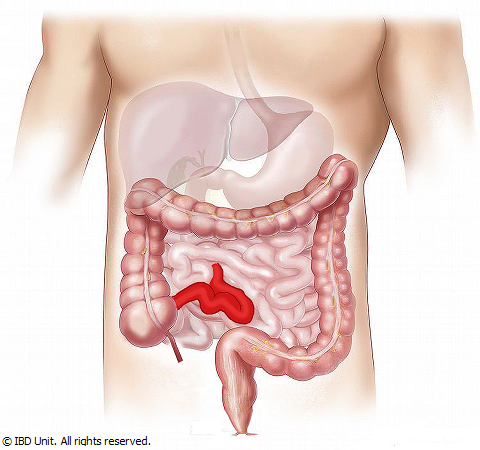
Crohn’s disease symptoms commonly include ongoing diarrhea, abdominal pain or cramping, and unintended weight loss. Fatigue, fever, nausea, appetite loss, anemia, joint pain, eye irritation, and skin changes may also appear. Symptoms can range from mild to severe and may disappear during remission before returning in a flare.
What Does a Crohn’s Flare Feel Like?
A flare is a period when inflammation and symptoms become active. You may notice more frequent diarrhea, stronger cramps, reduced appetite, fatigue, or difficulty maintaining weight. Symptoms vary according to where inflammation is located and how severe it has become.
Some people experience a gradual change over several weeks. Others notice a faster rise in bathroom urgency, pain, fever, or weakness. The change from your normal baseline is often more meaningful than one isolated symptom.
| Possible Flare Sign | What May Change | What to Track |
| Diarrhea | Frequency or urgency rises | Number of bowel movements |
| Abdominal pain | Stronger or more frequent | Location and severity |
| Appetite loss | Meals become difficult | Food and fluid intake |
| Fatigue | Daily tasks become harder | Sleep and energy level |
Which Digestive Symptoms Need Tracking?
Track diarrhea, stool appearance, urgency, nighttime bowel movements, abdominal pain, nausea, vomiting, and appetite. Include rectal pain, drainage, sores, or bleeding because Crohn’s can affect the area around the anus.
Keep a flare-tracking workspace for general organization, then maintain a clinical diary with dates and measurable changes. “Six loose stools today compared with my usual two” is clearer than “my stomach is worse.”
Crohn’s may also cause mouth sores and anal fissures. Don’t assume every new symptom is caused by food, especially when pain or diarrhea continues despite dietary changes.
Can Crohn’s Affect More Than the Gut?
Yes. Crohn’s disease may be associated with joint soreness, red or painful eyes, tender skin bumps, fever, anemia, and fatigue. These symptoms can appear alongside digestive problems or become prominent during a flare.
Use a weekly flare summary to connect digestive and non-digestive symptoms. Record eye pain, rashes, joint swelling, fever, and energy changes instead of keeping separate disconnected notes.
Nutrition can also suffer. Reduced appetite may lower food intake, while small-intestinal inflammation can interfere with nutrient absorption. Medicines and previous surgery may affect nutritional needs as well.
How Is Crohn’s Disease Evaluated?
Doctors don’t diagnose Crohn’s from symptoms alone. Evaluation may include medical and family history, a physical examination, blood or stool tests, endoscopy, colonoscopy, biopsies, and imaging depending on the situation.
Bring a digestive health checklist showing symptom dates, medication use, previous infections, weight changes, and family history. Tell the clinician about nighttime diarrhea, rectal symptoms, mouth ulcers, and symptoms outside the gut.
Crohn’s and ulcerative colitis are both inflammatory bowel diseases, but they don’t behave identically. IBS can also cause pain and bowel changes without visible digestive-tract injury. Testing helps separate these conditions.
Mistakes That Can Worsen a Flare
Waiting until symptoms become unbearable can make dehydration, malnutrition, anemia, or another complication harder to manage. Contact your care team when symptoms show a clear upward trend.
Another mistake is stopping prescribed treatment because you feel better. Remission doesn’t necessarily mean inflammation has permanently disappeared. Medication decisions should be made with the clinician managing your disease.
Extreme food restriction can also backfire. During a flare, some foods may be harder to tolerate, but removing entire food groups without guidance can increase nutritional risk.
Red Flags: When to Get Urgent Help
Seek urgent care for severe or worsening abdominal pain, a swollen or rigid abdomen, persistent vomiting, inability to keep fluids down, substantial rectal bleeding, black stool, fainting, confusion, or signs of severe dehydration.
Contact your medical team promptly for fever, rapidly increasing diarrhea, new severe rectal pain, drainage near the anus, unexplained weight loss, worsening weakness, or eye pain with redness. Crohn’s can lead to complications such as narrowing, obstruction, fistulas, abscesses, fissures, and nutritional problems, which require medical assessment.
Frequently Asked Questions
Can a Crohn’s flare begin without severe pain?
Yes. A flare may first show up as fatigue, appetite loss, diarrhea, mild cramps, fever, or weight change. Track shifts from your normal baseline and report persistent changes.
Is all rectal bleeding caused by Crohn’s inflammation?
No. Bleeding may have several causes, including fissures and hemorrhoids, but it shouldn’t be assumed harmless. Report new, repeated, or substantial bleeding to a clinician.
Can stress cause Crohn’s disease?
Stress isn’t considered the sole cause. Research indicates that stress may influence inflammatory processes and worsen symptoms in some people, so stress management may support—but not replace—medical treatment.
Report the Trend Before It Becomes a Crisis
Compare today’s symptoms with your normal baseline and the previous seven days. Contact your care team when diarrhea, pain, bleeding, fever, appetite, or energy is steadily worsening. Early communication can help determine whether you need testing, treatment adjustment, hydration support, or urgent evaluation.
This article provides general information and isn’t a substitute for individualized Crohn’s disease care.