
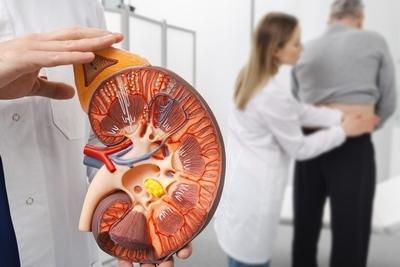
Chronic kidney disease symptoms are often absent during the early stages. A person may feel normal even while kidney filtering ability gradually declines. Fatigue, ankle swelling, foamy urine, itching, appetite changes, muscle cramps, and altered urination are more likely to appear after significant damage has developed.
That silence is why risk-based blood and urine testing matters more than waiting for pain.
Why Is Early Kidney Disease Usually Silent?
Kidneys have substantial working reserve. Remaining healthy tissue may continue filtering blood well enough that noticeable symptoms don’t appear immediately.
The NIDDK chronic kidney disease testing guidance states that testing is the only dependable way to know how well the kidneys are working during early disease.
Chronic kidney disease is generally assessed with blood tests estimating filtration and urine tests checking for albumin. A normal bathroom routine doesn’t guarantee normal kidney function.
| Possible sign | Why it may occur | Is it specific to CKD? |
| Ankle swelling | Fluid retention | No |
| Foamy urine | Protein in urine | No |
| Fatigue | Waste buildup or anemia | No |
| Itchy skin | Advanced imbalance | No |
Which Symptoms Can Appear as CKD Advances?
Advanced CKD may cause tiredness, poor sleep, trouble concentrating, reduced appetite, nausea, itching, muscle cramps, swelling, and changes in urination. Shortness of breath or chest discomfort may occur in more serious disease.
Foamy urine can result from protein, although normal urine may occasionally foam from speed or cleaning products. Swelling may begin around the ankles and become more noticeable late in the day.
Use long-term health tracking to document persistent changes, but don’t use symptom intensity to estimate kidney function. Laboratory values provide information symptoms cannot.
Who Should Be Tested Before Symptoms Begin?
People with diabetes, high blood pressure, heart disease, or a family history of kidney failure have increased CKD risk. These conditions can damage the kidneys gradually without producing obvious warning pain.
Testing frequency depends on personal risk, previous results, medications, and other medical conditions. A clinician may order serum creatinine with estimated glomerular filtration rate and a urine albumin-to-creatinine ratio.
Strong preventive health habits include knowing your blood pressure and attending recommended laboratory checks rather than purchasing unproven kidney-cleansing products.
Mistakes That Allow Kidney Damage to Progress
Waiting for kidney pain is a major mistake. CKD usually doesn’t announce itself through obvious pain over the kidneys.
Another error is assuming that producing a normal amount of urine means filtration is normal. Urine volume may stay fairly stable while the kidneys lose other functions.
People may also overuse nonprescription pain medicines or supplements without checking whether they are safe for their kidney function. The limitation is that no universal list applies to everyone; medication safety depends on dose, duration, hydration, and medical history.
What Do Kidney Test Results Mean?
Estimated glomerular filtration rate provides an approximation of kidney filtering ability. Urine albumin testing looks for protein leakage, which can signal kidney damage even when filtration remains relatively preserved.
One abnormal result may need confirmation. Dehydration, acute illness, medication effects, exercise, and other short-term factors can change laboratory values. CKD generally involves abnormalities that persist over time rather than a single isolated reading.
Building kidney care awareness is worthwhile, but test interpretation belongs with a qualified healthcare professional who can compare current and previous results.
Red Flags: When to Get Medical Help
Seek urgent care for severe shortness of breath, chest pain, confusion, fainting, very little or no urine, rapidly increasing swelling, persistent vomiting, or extreme weakness. These symptoms can occur with severe kidney dysfunction or another medical emergency.
Contact your clinician promptly for blood in urine, persistent foamy urine, unexplained swelling, repeated abnormal kidney tests, or sudden changes in urination. People with known CKD should follow their individualized emergency and medication plans.
Frequently Asked Questions
Can chronic kidney disease cause back pain?
CKD itself often causes no pain. Back or side pain may point to stones, infection, cysts, muscle problems, or another condition.
Is foamy urine always kidney disease?
No. Persistent or unusually heavy foam deserves a urine test, but temporary bubbles can have harmless explanations.
Can kidney function decline with normal urination?
Yes. Urine amount may appear normal even when filtering ability or protein control has worsened.
Request Testing Based on Risk, Not Symptoms
Don’t wait for swelling, itching, or profound fatigue before asking about kidney health. Review your blood pressure, diabetes status, family history, medicines, and previous laboratory results with a clinician, then follow the testing schedule appropriate for your risk.
This article provides general education and is not a diagnosis or a substitute for professional medical care.