
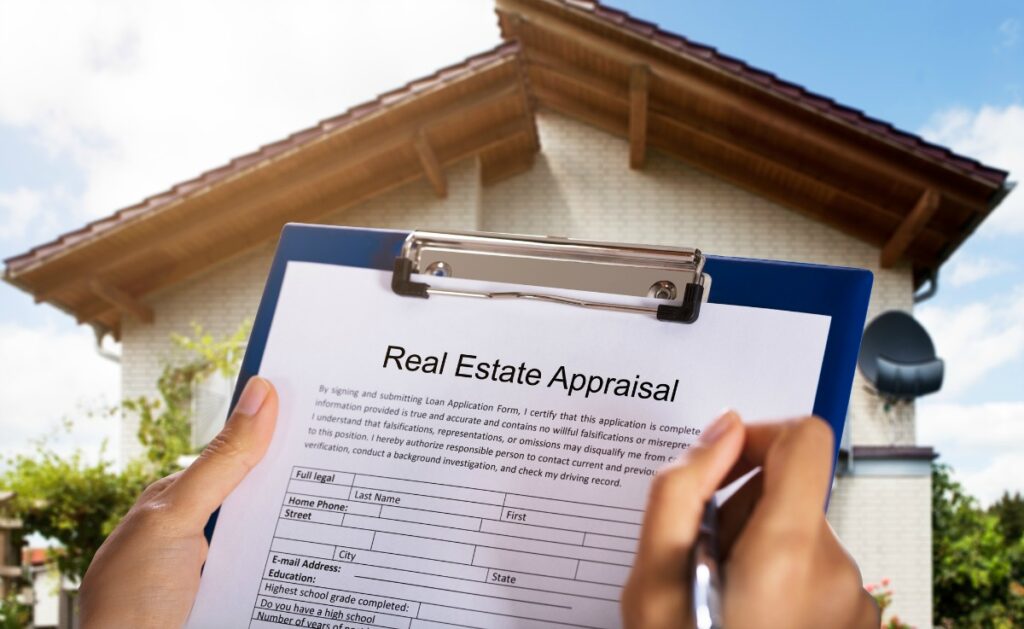
A home can feel priceless when it holds your memories, repairs, sweat, and plans. The market does not price memories, though, and that gap is where sellers often lose money or scare off serious buyers. Strong home appraisal tips help you look at the property the way a trained appraiser, lender, and buyer will see it. That does not mean stripping emotion out of the sale. It means giving your home the cleanest, clearest chance to prove its value. In the USA, where prices can shift street by street, a small mistake in presentation or paperwork can bend the final number. A finished basement in Ohio, a solar setup in Arizona, or a permitted ADU in California may all tell different value stories. Sellers who track upgrades, study neighborhood sales, and prepare the house before the visit usually walk in with more control. For broader homeowner visibility and property-focused insights, real estate content support can also help owners understand how online trust shapes buyer confidence.
Reading the Market Before the Appraiser Arrives
Accurate pricing starts before anyone with a clipboard walks through the front door. The appraiser’s number may look like one final opinion, but it is built from market evidence. When you understand that evidence early, you stop guessing and start preparing with purpose.
Why Recent Local Sales Matter More Than Personal Opinion
Your neighbor’s sale from six months ago may feel like proof, but the market may have moved since then. Appraisers care most about recent, nearby, similar homes because those sales show what buyers actually paid. A beautiful kitchen matters less if every comparable home in your area already has one.
A seller in a Dallas suburb might believe a $40,000 patio should lift the price dollar for dollar. The appraiser may see it differently if nearby homes with similar outdoor spaces sold only slightly higher. That gap frustrates owners, but it is not personal. It is market math.
Smart sellers look at home valuation through a narrow lens. Same school district. Similar square footage. Similar age. Similar lot size. A sale across town may sound encouraging, but it rarely carries the same weight as a sale three streets over.
How Small Neighborhood Details Change the Number
Two homes can share the same floor plan and still land at different values. One may sit beside a busy road. Another may back up to a quiet cul-de-sac. Buyers notice those differences, and appraisers often reflect them in the final report.
This is where pricing a house accurately becomes more than pulling numbers from a website. Online estimates cannot always read traffic noise, drainage issues, view quality, or street appeal. A national pricing tool may miss the reason one block sells faster than another.
Owners often overlook micro-location because they live inside the house, not above it. An appraiser sees the full setting. Nearby parks, train tracks, commercial buildings, HOA condition, and even parking pressure can influence how the property compares against recent sales.
Home Appraisal Tips That Protect Your Property Value
Preparation cannot turn an average property into a luxury one, but it can stop avoidable value loss. That is the quiet power of good preparation. You are not trying to trick anyone. You are removing distractions so the home’s real strengths show clearly.
What Should Be Fixed Before a Home Appraisal?
Small repairs send a larger message than most sellers expect. A loose railing, stained ceiling, cracked window, or dripping faucet may not destroy value on its own, but each one raises doubt. Doubt makes a property feel less cared for.
A property appraisal checklist should start with safety and function. Check handrails, smoke detectors, HVAC filters, plumbing leaks, peeling paint, roof stains, and electrical covers. These are not glamour projects. They are trust signals.
Sellers often spend money on decor while ignoring tired maintenance. That is backward. A freshly staged living room cannot cancel out a garage door that sticks halfway open. Appraisers do not price throw pillows. They price condition, function, and market fit.
Why Clean Documentation Can Matter as Much as Clean Floors
A spotless house helps, but paperwork can do work that polish cannot. Receipts, permits, contractor invoices, warranties, surveys, and upgrade records give the appraiser a clearer record of what changed and when. Verbal claims fade fast. Documents hold weight.
Appraisal preparation should include a simple folder with major improvements listed by date and cost. New roof in 2022. HVAC replacement in 2023. Kitchen counters installed in 2024. Add permits when required by your city or county.
This matters most when upgrades are not obvious at first glance. A new electrical panel, insulation work, drainage fix, or sewer line replacement may not photograph well, but those improvements can support value. Quiet upgrades count when you prove them.
Presenting the House Without Overselling It
A strong appraisal visit feels calm, not staged to the point of pressure. Appraisers are trained to observe, measure, compare, and verify. They do not need a sales pitch in every room. They need access, clarity, and a house that shows its condition honestly.
How Curb Appeal Shapes the First Read
The first impression does not set the whole value, but it frames the visit. Overgrown shrubs, chipped trim, dead grass, and cluttered entryways make the appraiser work harder to see care. A clean exterior says the owner pays attention.
This does not mean spending thousands on landscaping before the appointment. In many cases, mowing, edging, power washing, fresh mulch, and a painted front door handle more of the visual load than an expensive redesign. Simple wins often beat dramatic spending.
A seller in suburban New Jersey may gain more confidence from clearing gutters and trimming trees than from buying new patio furniture. The appraiser is not shopping for furniture. The appraiser is reading condition, maintenance, and buyer appeal.
Why Over-Improvement Can Work Against You
Many owners assume every upgrade adds value. That sounds logical until the house becomes nicer than the market is willing to reward. A luxury bathroom in a modest starter-home neighborhood may please buyers, but it may not return its full cost in the appraisal.
Home valuation depends on what similar buyers in that area pay for similar features. If comparable sales do not support a higher adjustment, the appraiser cannot invent one because the tile came from Italy or the appliances cost more than expected.
This is the part sellers hate, and I get it. Pride gets tangled with price. Still, the market has a ceiling, and the smartest move is to know that ceiling before pouring money into upgrades that buyers may enjoy but lenders may not fully support.
Working With the Appraiser the Right Way
The appraiser is not your enemy, and treating the visit like a negotiation can backfire. A better approach is respectful help. Give access, provide facts, answer questions clearly, and let the professional do the work without pressure.
What Information Should You Share During the Visit?
A short printed summary can help when it stays factual. Include square footage details, upgrade records, permit notes, neighborhood features, HOA information, and recent sales you believe are relevant. Keep it clean and easy to scan.
Pricing a house accurately means knowing the difference between useful context and emotional argument. “We raised our kids here” may matter deeply to you, but it does not support value. “The roof was replaced with a transferable warranty in 2023” does.
A property appraisal checklist can also include access notes. Unlock the attic, garage, basement, crawl space, and utility areas if safe. Move boxes away from mechanical systems. A rushed or blocked inspection creates friction that helps no one.
How to Handle a Low Appraisal Without Panic
A low appraisal feels like a punch, especially when a sale is already under contract. The first move is not anger. The first move is review. Look for factual errors, missing upgrades, wrong square footage, poor comparable sales, or overlooked permits.
Buyers, sellers, and agents may request a reconsideration of value when there is solid evidence. That evidence must be specific. A better comparable sale, a documented improvement, or a measurable report error carries more weight than frustration.
Appraisal preparation also helps here because organized records make a challenge easier. If your paperwork was ready before the visit, you are not scrambling after the fact. That calm matters when a lender, agent, buyer, and seller are all watching the same number.
Conclusion
A fair appraisal is not won by luck. It is shaped by preparation, proof, and a clear-eyed view of what the local market will support. Sellers who treat the process like a final exam often miss the point. The better mindset is stewardship. You are showing the house as it truly stands, with every repair, upgrade, and market detail placed where it can be understood.
Strong home appraisal tips do not promise a higher number out of thin air. They help protect the number your property has already earned. That difference matters. A clean record, a cared-for home, and smart local pricing can keep a deal from wobbling when the lender steps in.
Before your next appraisal, walk through the property like a buyer, gather proof like an owner, and price like someone who respects the market. Do that, and the final number has a better chance of telling the truth in your favor.
Frequently Asked Questions
What are the best home appraisal preparation steps before selling?
Start with repairs that affect safety, function, and visible condition. Gather receipts, permits, warranties, and upgrade records in one folder. Clean the home, clear access to key areas, and review recent comparable sales so the property’s value story is easy to understand.
How does a home valuation affect the selling price?
A home valuation helps lenders decide whether the agreed price matches market evidence. When the appraised value comes in lower than the contract price, the buyer may need more cash, the seller may need to adjust, or both sides may renegotiate.
What should be on a property appraisal checklist?
Include repairs, cleaning, curb appeal, access to attic or basement areas, smoke detectors, major systems, upgrade records, permits, and recent local sales. The goal is to remove doubt and give the appraiser clear facts without turning the visit into a sales pitch.
Can pricing a house accurately prevent appraisal problems?
Better pricing lowers the risk of a gap between the contract price and the appraised value. It does not guarantee a perfect result, but it keeps expectations closer to what lenders and appraisers can support through nearby comparable sales.
Do home upgrades always increase appraisal value?
Upgrades help most when buyers in your area are paying more for those features. A new roof, HVAC system, or permitted addition often carries stronger value than personal design choices. Expensive finishes may not return full cost if local sales do not support them.
How can sellers improve appraisal preparation without spending too much?
Focus on low-cost fixes with high visual or functional impact. Clean deeply, repair small defects, trim landscaping, replace missing covers, touch up paint, and organize paperwork. A well-maintained home often reads stronger than a rushed cosmetic makeover.
What happens if the appraisal comes in lower than the offer?
The buyer, seller, and agents usually review options. They may challenge the report with better evidence, renegotiate the price, increase the buyer’s cash contribution, or cancel depending on contract terms. A calm review of errors and comparable sales should come first.
Should the homeowner be present during the appraisal?
Being available can help if the appraiser has questions, but hovering can feel uncomfortable. Many sellers leave a concise information packet and allow full access. Respectful distance works best because the appraiser needs space to measure, inspect, and compare.