
A healthy reading at the doctor’s office feels good, but the numbers you live with between appointments matter more. For many American adults, blood pressure habits decide whether daily life feels steady or silently strained. The hard part is not knowing that salt, stress, movement, and sleep matter. The hard part is making those choices fit inside school pickups, long commutes, restaurant meals, late bills, and the kind of tired evenings where a frozen dinner looks like mercy. Better control does not come from one heroic change. It comes from a pattern you can repeat on ordinary days, including the messy ones. Readers who want practical wellness ideas can also explore daily health guidance for busy adults while building routines that feel realistic instead of punishing. Your goal is not to become a perfect patient. Your goal is to become someone whose normal week quietly supports the heart, arteries, kidneys, and brain before trouble has a chance to grow.
Blood Pressure Habits That Start With Your Morning
Morning choices set a tone that follows you longer than most people think. A rushed start can raise tension before breakfast, while a steady start gives your body fewer reasons to stay on alert. This does not mean you need a wellness ritual that takes an hour. It means the first part of the day should stop working against you.
Why a calm first hour changes the whole day
A rough morning often begins before your feet hit the floor. You grab your phone, read a tense message, check the news, and feel your chest tighten before you have even had water. Your body reads that as a signal: get ready, pressure is coming.
A better first hour starts with fewer shocks. Sit up, breathe slowly for a minute, drink water, and let your body wake before the day starts demanding answers. This sounds small, almost too small, but blood vessels respond to repeated signals. Calm repeated often enough becomes training.
A real example is the commuter who leaves ten minutes earlier to avoid racing through traffic. Nothing dramatic changes on paper. The job is the same. The route is the same. Yet the body is no longer starting every weekday in a fight with the clock.
How breakfast can help without becoming a project
Breakfast does not need to look like a health magazine spread. It needs to avoid the worst trap: a salty, low-fiber meal that leaves you hungry again by midmorning. A drive-thru biscuit with processed meat may be fast, but it asks your heart to pay for that speed.
A steadier plate pairs protein, fiber, and potassium-rich foods. Oatmeal with banana and walnuts works. Eggs with whole-grain toast and fruit works. Greek yogurt with berries works. The point is not elegance. The point is giving your body something useful before caffeine and stress take over.
One counterintuitive truth: skipping breakfast does not make the day lighter for everyone. Some people compensate later with oversized lunches, salty snacks, and late-night eating. A modest morning meal can prevent that rebound without turning food into a rulebook.
Eating for Steady Daily Control
Food choices carry more power when they become ordinary instead of dramatic. Many people try to fix their numbers with a strict plan for two weeks, then fall back into the same pantry. A better path is quieter. Change the foods you repeat most, because repetition is where the body gets the message.
Where sodium hides in normal American meals
Salt is not only about the shaker. It hides in bread, canned soup, frozen meals, deli meat, pizza, sauces, salad dressings, and restaurant portions that look harmless on the plate. You may not taste the sodium, but your body still has to manage it.
A smart move is to check labels on the foods you buy every week. If two pasta sauces sit side by side, choose the lower-sodium one. If canned beans are a staple, rinse them before cooking. These swaps are not glamorous, but they work because they touch meals you already eat.
The unexpected part is that home cooking can still be salty. A “homemade” meal loaded with seasoning packets, bottled sauces, and processed meats can rival takeout. The kitchen only helps when the ingredients support the goal.
Why potassium-rich foods deserve more attention
Potassium helps balance sodium’s effect, yet many people focus only on what to remove. Adding the right foods can feel less punishing than cutting everything at once. Potatoes, beans, spinach, bananas, oranges, yogurt, and lentils can all support a heart-friendly pattern.
This does not mean everyone should load up without thought. People with kidney disease or certain medicines need medical guidance before raising potassium. That detail matters because good advice becomes bad advice when it ignores the person standing in front of it.
A simple dinner can be grilled chicken, baked potato, greens, and fruit. Nothing fancy. Nothing strange. The meal works because it replaces the usual high-sodium plate with something more balanced, without asking the family to eat like strangers.
Movement, Stress, and the Body’s Pressure Signals
After food, the next piece is how your body spends energy and handles tension. Movement and stress are linked more closely than people admit. A stiff, inactive body often carries stress like a backpack. A body that moves regularly has more ways to release pressure before it settles in.
How walking becomes a pressure-lowering tool
Walking is often underestimated because it feels too plain. No special equipment. No gym membership. No dramatic sweat. Yet a brisk walk after dinner can help circulation, support weight control, improve sleep, and give the nervous system a cleaner ending to the day.
The best walking habit is the one you can repeat. Fifteen minutes after lunch may be better than a plan for forty-five minutes that never happens. A parent walking around the soccer field during practice is still training the heart. A warehouse worker taking a slower cool-down walk after a shift is still creating a pattern.
One hidden advantage of walking is that it reduces decision fatigue. You do not have to design a workout every day. You only need shoes, a safe route, and a time that fits your life.
Why stress control must be physical, not only mental
Telling someone to “stress less” is useless. Bills, family pressure, work demands, and health worries do not disappear because someone says relax. The better question is what your body does with stress once it arrives.
Slow breathing, stretching, prayer, quiet music, journaling, and short outdoor breaks can lower the body’s alert level. These tools work best when used before you feel overwhelmed. Waiting until stress peaks is like waiting for smoke before checking the stove.
A nurse finishing a twelve-hour shift may not have energy for meditation. But she can sit in the car for two minutes, breathe slowly, and let her shoulders drop before driving home. That pause is not a cure. It is a pressure valve, and pressure valves matter.
Home Tracking and Better Doctor Conversations
Daily control becomes easier when you stop guessing. Home tracking can show patterns that one office reading may miss. It also helps you talk with your doctor from evidence instead of memory, which is often foggy when life is full.
How to measure at home without chasing every number
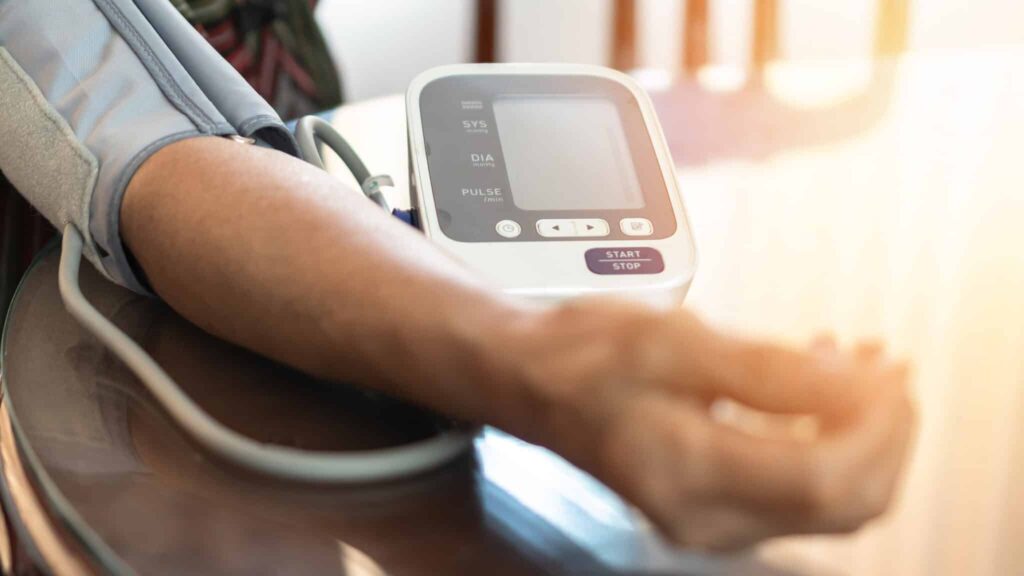
A home monitor can be useful, but only when used calmly. Sit with your back supported, feet flat, arm at heart level, and rest for a few minutes before checking. Measure around the same time each day when your doctor asks you to track.
The mistake is reacting to every single reading as if it tells the whole story. One high number after caffeine, poor sleep, pain, or an argument may not mean the plan failed. Patterns matter more than panic.
Keep a simple log with date, time, reading, and notes such as poor sleep or salty meal. That gives your clinician context. It also helps you spot triggers you would forget by next week.
When lifestyle changes need medical backup
Lifestyle matters, but it is not a moral test. Some people need medication because their body, family history, age, or health conditions demand more support. Taking medicine does not mean you failed. It means you are using another tool to protect your future.
The smartest patients are honest. They tell the doctor when pills cause side effects, when costs are hard, or when the schedule is confusing. Silence creates bad care. Clear details help your clinician adjust the plan before frustration takes over.
A practical next step is to bring your home log, medication list, and questions to each visit. Ask what numbers should prompt a call. Ask what symptoms need urgent care. Good daily habits work best when they sit inside a clear medical plan.
Conclusion
Long-term control is built in the quiet places where most people stop paying attention. The grocery cart. The morning routine. The walk after dinner. The way you handle a tense email before your body turns it into a full alarm. Practical change is not soft. It is disciplined in a way that fits real life. Blood pressure habits become powerful when they stop feeling like a temporary project and start becoming the default shape of your week. You do not need to fix everything by Monday. You need to choose the next repeatable move and protect it from the chaos that usually steals your follow-through. Start with one meal, one walk, one calmer morning, or one week of home readings. Then build from there. Your heart does not need perfection to respond. It needs consistency that shows up even when life is crowded.
Frequently Asked Questions
What are the best daily habits for healthy blood pressure control?
Consistent sleep, lower-sodium meals, regular walking, stress breaks, and home tracking can all help. The strongest habit is the one you repeat without turning life upside down. Small choices done daily often beat strict plans that collapse after a week.
How much walking helps support normal blood pressure?
Many adults benefit from brisk walking most days of the week, even in shorter sessions. A 10- to 20-minute walk after meals can be a strong starting point. People with heart symptoms, dizziness, or chest pain should ask a doctor before increasing activity.
Which foods should I eat more often for blood pressure support?
Beans, leafy greens, potatoes, fruit, yogurt, oats, fish, nuts, and whole grains can support a heart-friendly eating pattern. The goal is not a perfect diet. It is replacing frequent salty, processed meals with foods that give your body better minerals and fiber.
What foods raise blood pressure the most?
Restaurant meals, frozen dinners, deli meats, canned soups, salty snacks, processed cheese, pizza, and fast food are common trouble spots. Many contain more sodium than people expect. Reading labels and choosing lower-sodium versions can make a noticeable difference over time.
Can stress raise blood pressure during a normal day?
Stress can raise readings because the body releases alert signals that tighten blood vessels and speed the heart. Short breathing breaks, movement, and better boundaries can help lower that response. Stress control works best as a daily practice, not a last-minute rescue.
Should I check my blood pressure at home every day?
Daily checks may help if your doctor wants a pattern, especially after a medicine change or high office reading. Use the same routine each time and avoid obsessing over one result. A simple log gives your doctor better information than memory alone.
When should high blood pressure readings worry me?
A reading that stays high over repeated checks deserves a call to your healthcare provider. Seek urgent care for severe readings with chest pain, trouble breathing, weakness, confusion, severe headache, or vision changes. Symptoms matter as much as the number.
Can lifestyle changes replace blood pressure medicine?
Some people improve enough with daily habits, while others still need medicine because of genetics, age, or other conditions. Medication is not failure. The safest plan is to follow your doctor’s guidance while improving food, movement, sleep, and stress patterns.