
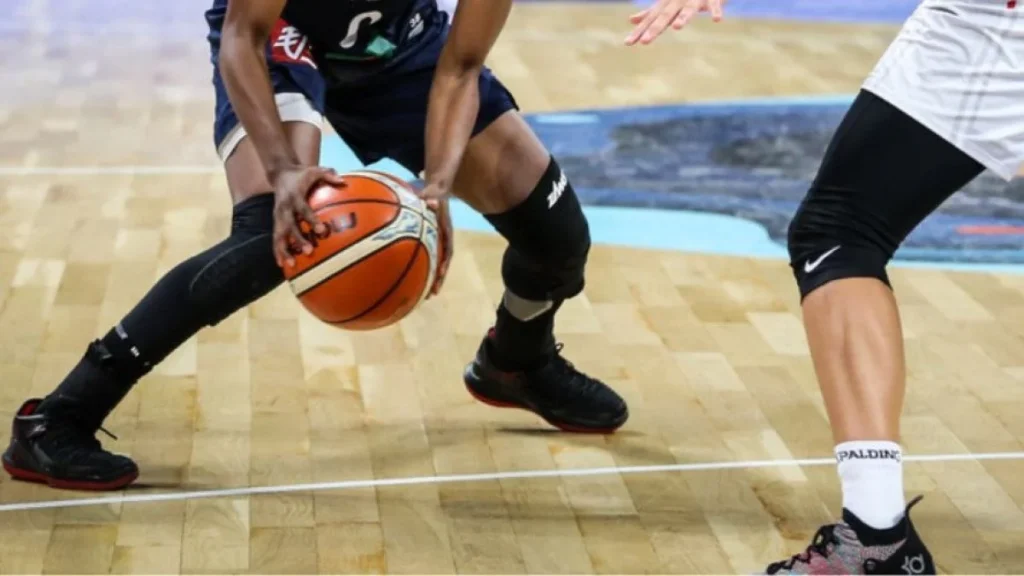
Bad possessions rarely begin with a missed shot. They begin with a lazy step, a late turn, or a body that arrives half a beat behind the play. Basketball Footwork Drills matter because every strong move on the court starts below the waist before the ball ever leaves your hand. Players across the United States spend hours chasing cleaner jumpers, tighter handles, and flashier finishes, yet many still lose control because their feet cannot support the decision their brain already made.
That is where smart training separates a useful player from a busy one. A guard in a packed Chicago gym, a wing at a Texas AAU practice, or a high school forward in Ohio all face the same truth: the court rewards players who arrive balanced. For athletes, coaches, and sports-minded readers who follow performance topics through platforms like trusted digital publishing networks, the lesson is simple. Better feet create better choices.
Great footwork does not make the game slower. It makes your body quicker to organize. When your base is steady, your pass sharpens, your shot cleans up, and your defense stops gambling. Control becomes less of a wish and more of a habit.
Building a Base That Holds Up Under Pressure
A player can look fast in an empty gym and still fall apart when a defender crowds the hip. That gap usually comes from a weak base, not weak talent. The first layer of better game control is learning how to land, stop, turn, and restart without letting your shoulders, knees, and feet argue with each other.
Strong footwork starts with boring positions that win loud moments. Coaches love to talk about explosion, but explosion without balance is only a rushed mistake wearing new shoes. The best players in American gyms do not always move the most; they move with less waste.
Why Stance Discipline Changes Every Possession
A proper stance is not a photo pose. It is a working position that lets you react in any direction without needing a reset step. Your feet should sit about shoulder-width apart, your knees should stay bent, and your chest should stay active without leaning over your toes.
Many young players stand tall because it feels relaxed. Then the game speeds up, and they need an extra step before every cut, closeout, or drive. That extra step is where defenders recover, passing windows close, and open shots disappear.
Try a simple stance-hold drill with a partner calling directions. Start in an athletic stance, slide right, slide left, drop step, then sprint five yards. The goal is not speed at first. The goal is keeping the same body level through each command.
This is where defensive footwork begins to feel less like punishment and more like control. Once a player can hold a low stance while reading cues, defense stops being a chase and starts becoming a guided response.
How Jump Stops Protect the Ball and the Body
The jump stop is one of the least glamorous skills in basketball, which is exactly why it gets ignored. A clean jump stop lets you gather speed, absorb contact, and choose your next move without traveling or drifting into trouble. It is the emergency brake every player needs.
Line up at half court and dribble toward the free-throw line. At the cone, land on both feet at the same time with knees bent, chest up, and eyes on the rim. Then pivot, pass, shoot, or rip through into a second move.
The key is landing with quiet feet. Loud, heavy landings often mean the body is collapsing instead of controlling force. A player who lands soft can still pass out of a trap, fake a shot, or pivot away from pressure.
A real example shows up in late-game high school possessions. The player who sprints into the lane and leaves one foot hanging usually gets trapped or called for steps. The player who jump stops under control keeps both pivot options alive. That one detail can save a possession.
Effective Basketball Footwork Drills for Faster Court Decisions
Once balance feels natural, the next job is decision speed. Players do not need endless moves. They need foot patterns that help them make the right move sooner. This is where Basketball Footwork Drills become more than conditioning work; they become decision training.
The court gives you tiny windows. A defender turns a shoulder. A help defender takes one false step. A passing lane opens for half a second. Good feet let you attack that window before it closes.
How Pivot Work Turns Pressure Into Space
Pivoting looks simple until a defender crowds your chest and your brain starts rushing. A strong pivot keeps the ball safe while your feet create a new angle. That matters for guards under pressure and post players pinned near the block.
Use a four-cone pivot drill. Place cones in a square around you, then catch a pass in the middle. Front pivot toward one cone, reverse pivot toward another, rip the ball through, and pass back to your partner. Keep your pivot foot planted and your eyes up.
Most players make the mistake of looking at their feet. That turns a skill drill into a panic rehearsal. Train your eyes to scan while your feet work, because games do not pause while you check your balance.
Here is the counterintuitive part: slower pivots often build faster players. When you move with control in practice, your body learns the pattern cleanly. Under pressure, that clean pattern fires faster than a rushed one.
Why First-Step Angles Beat Raw Speed
Raw speed helps, but the first step decides whether that speed has anywhere to go. A player who drives in a straight line into the defender’s chest wastes athleticism. A player who steps across the defender’s top foot creates a lane before the dribble hits the floor.
Set up a defender or cone at the three-point line. Start in triple-threat position, jab outside the defender’s lead foot, then step hard across the hip and drive. Finish with one dribble, a pull-up, or a pass to the corner.
The drill works best when the first step is long enough to gain ground but not so long that the player loses balance. That line takes practice. Too short gives the defender time. Too long makes the second step weak.
Basketball agility drills often focus on ladders and cones, but the better version connects foot speed to a basketball choice. Your feet should not move fast for decoration. They should move fast to win an angle.
Training Footwork That Survives Contact and Fatigue
Clean footwork in the first five minutes does not prove much. The test comes when legs burn, bodies bump, and the official lets contact ride. Players who want control need drills that make balance hold up when comfort disappears.
Fatigue exposes fake skill. A player may look polished during warmups, then cross their feet on defense or fade sideways on a layup once the game gets rough. Training has to include contact, tired legs, and awkward recoveries.
How Contact Finishing Builds Stable Feet
Finishing through contact is not only about strength. It is about foot placement before the bump arrives. A player who steps too narrow loses the lane. A player who steps too wide cannot rise cleanly. The sweet spot is strong, compact, and ready for force.
Use a pad-contact finishing drill. Start at the wing, drive to the rim, take a controlled gather step, absorb light contact from a coach or teammate, and finish off two feet. Rotate sides so both feet learn to gather under pressure.
Two-foot finishes give young players a safe way to control the body. One-foot finishes still matter, but two feet help against shot blockers, late help, and crowded paint touches. That is why college and NBA players still train them.
A small-town varsity player might not face elite height every night, but contact still shows up. A shoulder bump from a defender, a late contest, or a slippery gym floor can ruin a rushed finish. Stable feet make those moments less dramatic.
Why Tired Legs Need Shorter, Smarter Steps
Fatigue changes how players move. Steps get longer, hips rise, and balance leaks away. The fix is not telling players to “try harder.” The fix is training shorter recovery steps before exhaustion arrives in a game.
Run a closeout-to-slide drill after a sprint. Start on the baseline, sprint to the wing, chop the feet into a controlled closeout, then slide twice and retreat. Rest briefly, then repeat from the opposite side.
The chopping step matters. Players who close out with long strides cannot stop when the shooter drives. Players who chop down under control can contest without flying past the play.
Court balance becomes the hidden skill here. A tired player with court balance can still guard without fouling, pass without floating, and shoot without drifting. That kind of control wins ugly possessions, which often decide close games.
Turning Footwork Into Real Game Control
Drills only matter when they transfer to possessions. A player can master cones and still struggle if practice never connects feet to reads. The final step is blending movement, vision, and timing until footwork becomes part of how the player thinks.
Better control is not about looking perfect. It is about giving yourself more playable options. When feet work with the ball, the eyes, and the shoulders, the game opens in a way raw effort cannot copy.
How Ball Handling Movement Connects Feet and Hands
Handles fall apart when the feet and hands work at different speeds. A crossover with lazy feet goes nowhere. A strong step with a loose dribble becomes a turnover. The two skills must train together.
Set up three cones from the top of the key to the elbow. Attack the first cone with a pound dribble, change direction at the second, then finish at the third with a pull-up or pass. Focus on planting before the ball changes hands.
Ball handling movement should feel connected, not flashy. The foot plants, the hip shifts, and the ball moves with the body. When those pieces line up, the defender reacts to the whole player instead of one isolated dribble.
This is why many viral dribbling clips do not translate to games. The hands may look sharp, but the feet never threaten space. A defender only respects a move when the feet can turn it into a drive, shot, or pass.
Why Small-Sided Games Finish the Job
Small-sided games turn footwork into live judgment. Two-on-two and three-on-three settings force players to move, stop, read, and react without hiding behind full-court chaos. Every bad step becomes visible.
Play three-on-three with one rule: every catch must include a shot fake, rip-through, pivot, or immediate drive. This forces players to use their feet before the defense settles. It also teaches them when not to move.
That last part matters. Better footwork does not mean constant motion. Sometimes the strongest move is a patient pivot, a quiet reset, or a pass made from a firm base. Control includes restraint.
Coaches in U.S. youth programs can use this format without fancy gear. A half court, six players, and clear constraints are enough. The drill feels like basketball because it is basketball, only with the noise turned down enough for learning to show.
Strong footwork gives players a calmer game. It keeps the body ready, protects the ball, and turns pressure into choices instead of panic. Basketball Footwork Drills should not be treated as warmup filler or punishment after a bad practice. They are the operating system beneath shooting, passing, driving, and defending.
The players who improve fastest usually stop chasing the biggest move and start fixing the first step. They learn how to land before they learn how to explode. They learn how to pivot before they try to escape. They learn how to stay balanced when the game gets loud.
That mindset changes everything. A player with trained feet can handle contact, read defenders, and make cleaner decisions late in games. Start with one drill from each section, repeat it with care, and bring the same focus into live play. The court will tell you when your feet are ready.
Frequently Asked Questions
What are the best basketball footwork drills for beginners?
Start with stance holds, jump stops, basic pivots, and cone slides. These drills build balance before speed. Beginners should learn how to stop, turn, and restart cleanly before adding complex moves or full-speed pressure.
How often should players practice defensive footwork?
Three to four focused sessions per week work well for most players. Short daily work can help too, especially if it includes slides, closeouts, drop steps, and stance discipline. Quality matters more than long, tired reps.
Can basketball agility drills improve shooting control?
Yes, when they connect movement to real shooting actions. Ladder work alone has limited value. Agility drills help more when players sprint, stop, square their feet, and shoot from game-like positions.
Why do players lose court balance during games?
Players lose balance when they rush, stand too tall, take long steps, or move faster than their body can organize. Contact and fatigue make it worse. Better training teaches players to stay low and land under control.
What footwork should guards practice the most?
Guards should practice pivots, jab steps, change-of-direction plants, jump stops, and retreat steps. These skills help against pressure, traps, and tight defenders. A guard with clean feet protects the ball and sees the floor better.
Are cone drills useful for real basketball movement?
Cone drills help when they copy real angles and decisions. They lose value when players run patterns without purpose. Add a pass, shot, defender, or read so the drill feels closer to a real possession.
How can young players improve ball handling movement?
Young players should match each dribble move with a strong foot plant. Slow reps help at first. Once the pattern feels clean, they can add speed, contact, and live defense without letting the ball outrun the body.
What is the biggest footwork mistake in basketball?
The biggest mistake is moving before getting balanced. Players rush into shots, drives, and passes without setting their feet. That creates turnovers, weak finishes, and poor defense. Balance should come before every explosive move.