
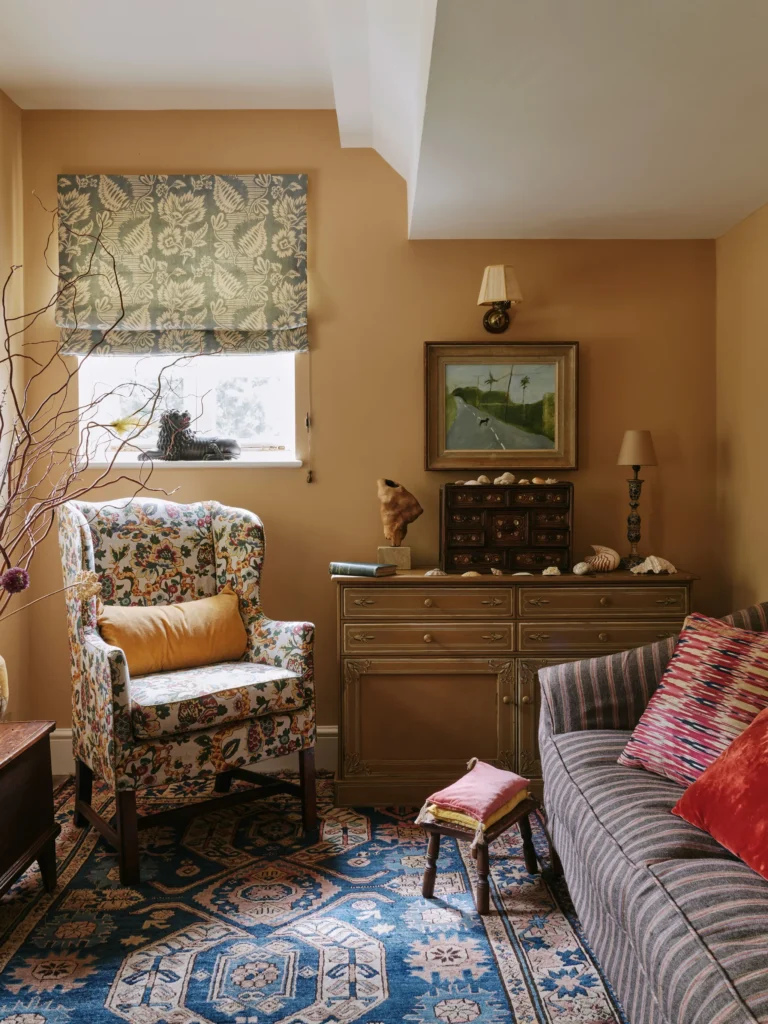
Small rooms do not forgive lazy furniture choices. A sofa that is two inches too deep can steal the walking path, and a dining table that never folds can make dinner feel like a traffic jam. That is why space saving furniture matters so much for renters, condo owners, and first-time buyers trying to make city living feel calm instead of cramped. Across many U.S. cities, from Chicago walk-ups to Boston studios and Los Angeles ADUs, the best homes are not always the biggest ones. They are the ones where every piece works harder without making the room feel overplanned. Smart buying also starts with knowing where design, lifestyle, and budget meet, which is why resources like practical home improvement insights can help you think beyond quick fixes. The goal is not to stuff more into less space. The goal is to give your home breathing room, even when the square footage refuses to cooperate.
Space Saving Furniture That Changes How a Room Behaves
A compact home starts working better when furniture stops acting like a fixed object and starts acting like a flexible tool. The mistake many people make is buying smaller versions of regular pieces. That helps a little, but it rarely solves the real problem. A tight city home needs furniture that changes shape, hides mess, and gives back floor space when the day shifts.
Why Foldable Pieces Work Better Than Tiny Pieces
Foldable furniture succeeds because it respects timing. You do not need a dining table at full size all day. You need it during meals, remote work sessions, or weekend coffee with a friend. The rest of the time, that floor space has more value than the table surface.
A wall-mounted drop-leaf table can turn a narrow kitchen wall into a breakfast spot without blocking the path to the fridge. In a New York studio, that one change can mean the difference between squeezing sideways and walking normally. Small apartment furniture should solve the room’s worst moment, not its best moment.
The counterintuitive part is that a foldable piece can feel more adult than a permanent one. It shows that the room has been planned around real behavior. Nobody needs a table pretending to be useful while it collects mail for six days.
How Nesting Furniture Adds Room Without Looking Temporary
Nesting tables, stackable stools, and slide-under benches work because they hold space in reserve. They do not shout for attention. They sit quietly until guests arrive, then expand the room’s function in seconds.
A pair of nesting side tables near a sofa can replace one bulky coffee table in a narrow living room. You can pull one out for snacks, move another beside a chair, and tuck both away when the room needs to open up. Compact furniture ideas often work best when they avoid drama.
This is where many urban homes go wrong. People buy furniture for the rare event, not the daily routine. A giant table for occasional guests makes every normal Tuesday harder. Nesting pieces flip that logic and let the room stay honest most of the time.
Storage Furniture That Hides the Mess Without Hiding Your Style
Storage is not only about having more places to put things. It is about reducing the daily visual noise that makes a small home feel smaller. When storage sits inside furniture you already need, the room gains order without gaining extra objects.
Why Lift-Top Tables Earn Their Floor Space
A lift-top coffee table can support dinner, laptop work, board games, and hidden storage in one footprint. That matters in homes where the living room also acts as an office, guest room, and snack zone. One piece can carry several jobs without making the room look like a storage unit.
The best versions do not look mechanical. They have clean edges, steady lift hardware, and enough interior depth for remotes, chargers, notebooks, and stray mail. Multi purpose furniture should feel natural in the room, not like a trick bought after a late-night shopping scroll.
A practical example is a Dallas apartment with no separate office. A lift-top table lets the sofa become a work seat during the day, then returns the room to a lounge setup at night. The room does not get bigger. It gets less annoying.
How Storage Beds Change Small Bedrooms Fast
A storage bed is one of the strongest choices for a compact bedroom because the bed already owns the largest footprint. Wasting the space beneath it makes little sense when closets are tight and seasonal items need a home.
Drawer beds work well when there is clearance on both sides. Hydraulic lift beds work better when the room is narrow because the mattress lifts upward instead of forcing drawers into the walkway. Urban home storage depends on access as much as capacity.
The unexpected insight is that under-bed storage can improve sleep. Not because the drawers are magical, but because fewer visible piles lower the room’s tension. A bedroom that stops reminding you of unfinished chores will always feel more restful.
Multi-Use Seating for Living Rooms That Need Flexibility
Seating causes trouble in compact homes because people overbuy for guests and underplan for normal life. A smart layout gives you comfort every day, then expands when company appears. That balance matters more than matching every chair and cushion.
What Makes Sleeper Sofas Worth Considering Again
Sleeper sofas used to feel heavy, awkward, and uncomfortable. Better designs have changed the conversation. A slim sleeper with a firm frame can give a studio or one-bedroom apartment a guest setup without dedicating a room to occasional sleep.
The key is scale. A bulky roll-arm sleeper can swallow a small living room, while a clean-lined apartment sofa keeps the room open. Small apartment furniture must be measured by depth, arm width, and clearance, not only by seat count.
A sleeper sofa works best for people who host parents, siblings, or friends a few times a year. It does not need to replace a full guest room. It needs to prevent the air mattress from becoming the sad centerpiece of the weekend.
Why Ottomans Beat Extra Chairs in Tight Rooms
An ottoman can act as a footrest, coffee table, storage box, and spare seat. That range makes it more useful than a side chair in many compact living rooms. The trick is choosing one with a flat top or a tray-friendly surface.
In a Philadelphia rowhouse apartment, a storage ottoman can hold blankets and gaming gear while serving as a soft table during movie night. When guests arrive, it becomes casual seating without blocking the main path. Multi purpose furniture earns trust when it adapts without needing instructions.
Extra chairs often create a museum effect. They look ready for visitors, but they make the room stiff on ordinary days. An ottoman keeps the space loose, and small homes need that looseness more than they need perfect symmetry.
Designing Around Movement, Light, and Daily Habits
Furniture does not fail only because it is too large. It fails because it blocks movement, steals light, or ignores how people use the room after 7 p.m. A compact home needs a layout that protects the body’s natural path through the space.
How Clear Walkways Make Furniture Feel Smaller
A room feels cramped when your body has to negotiate every step. Clear walkways reduce that friction. You should be able to move from the entry to the sofa, bed, kitchen, or bathroom without twisting around corners like the furniture owns the place.
A good rule is to protect the main path before adding extra storage. A slim console near the entry may work better than a deep cabinet, even if the cabinet holds more. Compact furniture ideas should support movement first and storage second.
This is hard for people who love organization products. More storage can still make a home worse if it steals the path you use twenty times a day. The best layout often removes one “useful” piece and makes every other piece easier to enjoy.
Why Transparent and Raised Furniture Can Open the Room
Furniture with visible legs, glass tops, acrylic surfaces, or open bases can make a compact room feel lighter. The eye travels farther when it can see floor underneath the piece. That small visual gap changes the room’s mood.
A raised media console in a Seattle micro-apartment can feel less heavy than a solid block cabinet, even if both offer similar storage. The same logic applies to open-frame desks and leggy nightstands. Urban home storage works best when it does not turn every wall into a closed box.
Lightness is not the same as emptiness. A room can hold plenty and still feel open when furniture leaves air around itself. That is the quiet skill behind the best compact interiors.
Conclusion
A smaller home asks better questions than a larger one. It forces you to notice what you touch daily, what you avoid, what keeps falling into piles, and what furniture is sitting there because you thought adults were supposed to own it. That honesty can be uncomfortable, but it is also useful. When every inch counts, every choice becomes clearer. The strongest space saving furniture does not make a compact home feel like a puzzle. It makes it feel like a place that understands your life. Start with the piece that causes the most friction, whether that is a fixed table, a bulky sofa, a bed with wasted space beneath it, or a cabinet that blocks the walkway. Replace one problem with one smarter answer. Then let the room prove what it needs next. Small homes do not need more compromise. They need furniture brave enough to do more with less.
Frequently Asked Questions
What furniture works best in a small city apartment?
Choose pieces that serve more than one role, such as storage beds, lift-top coffee tables, sleeper sofas, nesting tables, and wall-mounted desks. Focus on clear walkways first. A compact apartment feels larger when furniture supports movement instead of crowding every open corner.
How do I choose small apartment furniture without making rooms feel empty?
Pick fewer pieces with stronger function. A storage ottoman, slim sofa, and nesting tables can do more than a crowded mix of chairs, cabinets, and side tables. Add warmth through texture, lighting, and artwork rather than extra furniture.
Are Murphy beds worth it for compact urban homes?
Murphy beds work well when the room must shift between sleeping and living. They cost more than basic beds, but they can free up major floor space during the day. They make the most sense in studios, guest rooms, and home offices.
What is the best table for a small dining area?
A drop-leaf table is often the smartest choice because it expands only when needed. Round pedestal tables also work well because they reduce sharp corners and improve flow. Avoid oversized rectangular tables unless the room has a clear dining zone.
How can I add storage without making my home look cluttered?
Use hidden storage inside furniture you already need. Beds, benches, ottomans, coffee tables, and entryway seats can all hold daily items. Closed storage works best for visual clutter, while open shelves should be reserved for attractive pieces you enjoy seeing.
What colors make compact furniture look lighter?
Soft neutrals, warm whites, pale woods, and muted earth tones can make furniture feel less heavy. Raised legs and open bases matter as much as color. A dark piece can still work if it has a slim shape and leaves visible floor space.
Is multi purpose furniture good for families in small homes?
Multi-use pieces can help families manage toys, school supplies, blankets, and daily clutter without filling every wall with bins. Storage benches, expandable tables, and sleeper sofas work well when they are sturdy. Avoid fragile convertible pieces that cannot handle daily use.
How do I make a small living room comfortable for guests?
Use flexible seating instead of permanent crowding. A normal sofa, storage ottoman, nesting stools, and floor cushions can host guests without blocking the room every day. Keep side tables movable so drinks, phones, and snacks still have a place.