
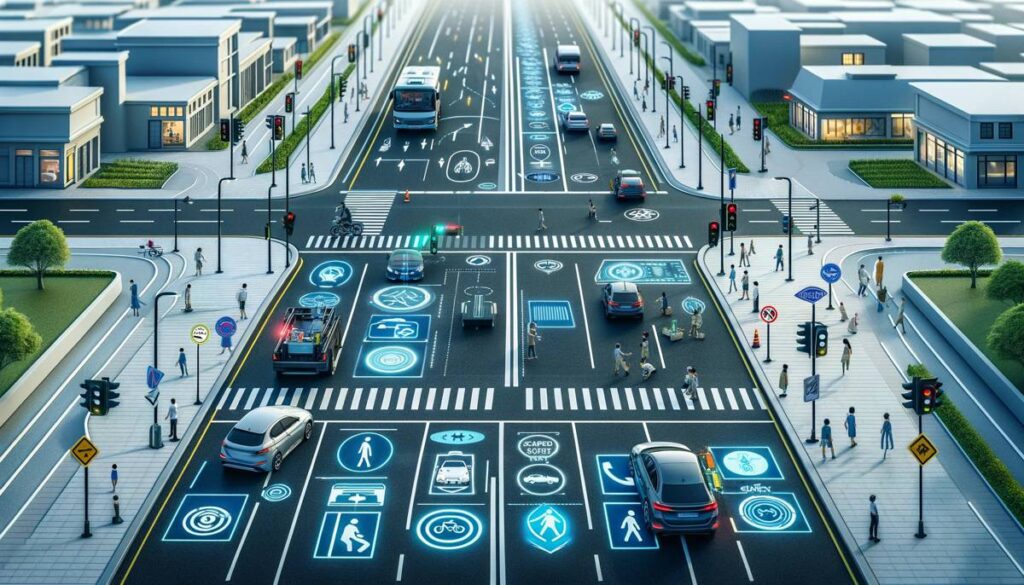
City traffic can turn a normal errand into a test of patience before you reach the second red light. The best drivers do not win city streets by rushing; they win by reading the road early, protecting space, and choosing stress free driving before pressure gets loud. Across busy American roads, from downtown Chicago to suburban Atlanta shopping corridors, the calm driver often arrives only a few minutes later than the aggressive one and far less drained. That matters because city roads punish distraction, ego, and late decisions faster than open highways do. A smarter approach starts before the engine turns over, the same way a strong online presence starts with trusted local visibility through resources like digital PR and brand growth. Good driving is not a personality trait. It is a repeatable set of choices that keeps your mind clear when traffic, pedestrians, cyclists, delivery trucks, and impatient drivers all compete for the same narrow stretch of pavement.
Build a Calm Driver Mindset Before the Road Gets Busy
City streets expose your mood faster than any highway can. A driver who starts irritated will find proof everywhere: the slow car ahead, the bus blocking the lane, the pedestrian crossing with one second left on the signal. That mental state turns small delays into personal attacks, and once that happens, your hands start making choices your brain should have stopped.
Why Your First Five Minutes Shape the Whole Drive
The first few minutes behind the wheel set your rhythm. If you back out of the driveway late, grab your phone at the first stoplight, and race toward traffic already annoyed, you have trained yourself to chase time you probably cannot recover. In a city like Los Angeles or Houston, one bad signal cycle can erase every risky lane change you make.
A better start looks boring, which is why many drivers ignore it. Set your route before moving, place your phone where you will not touch it, and accept the drive you have instead of the drive you wished for. That small reset lowers the pressure before other people’s mistakes enter the scene.
The counterintuitive part is simple: calm drivers are not slower by nature. They waste less energy. They stop making dramatic corrections, and their steady pace often keeps them moving while aggressive drivers get trapped behind the same lights.
How City Driving Tips Help You Stay Ahead Mentally
Good city driving tips are less about tricks and more about attention. You scan sidewalks, parked cars, crosswalks, bus stops, and turn lanes because the next problem often begins outside your lane. A ball rolling between parked cars, a rideshare vehicle stopping without warning, or a cyclist moving around a pothole can change the scene in seconds.
Many drivers stare only at the bumper ahead. That is a tight, nervous way to drive. A wider view gives your brain more time, and more time makes almost every decision easier. You brake earlier, signal sooner, and stop treating every surprise like an emergency.
This is where pride has to leave the car. You are not giving up control when you let someone merge or slow down near a crowded school zone. You are buying room, and room is the closest thing city roads offer to peace.
Use Space Like a Safety Tool, Not an Empty Gap
The hardest thing for city drivers to accept is that space is not wasted. In bumper-heavy traffic, any open gap feels like an invitation for someone else to take it. That fear pushes drivers closer together, which leaves everyone with less time to react and more chances to make contact.
Why Following Distance Matters More in Town Than on Highways
Urban traffic changes shape constantly. Cars turn into driveways, delivery vans stop in bike lanes, buses swing wide, and pedestrians step out from places you did not expect. On a highway, traffic often moves in one direction at similar speeds. In a city, motion comes from every angle.
Keeping distance does not mean leaving a giant space at every speed. It means leaving enough room to respond without panic. At 25 mph on a wet Boston street, the gap you need is not the same as a dry road in Phoenix. Weather, visibility, and road surface all change the math.
A specific example makes this clear. If the SUV ahead of you brakes hard because a cyclist swerves around a car door, your following distance decides whether you stop smoothly or slam your brakes while hoping the driver behind you reacts. That moment is too late to wish you had left more room.
Using Defensive Driving Techniques Without Driving Scared
Defensive driving techniques work best when they feel natural, not tense. You are not assuming every driver wants to hit you. You are accepting that people get distracted, confused, rushed, and emotional. That honest view keeps you alert without making every trip feel dangerous.
One strong habit is keeping an escape path. On a multi-lane city road, avoid sitting boxed in between a bus, a truck, and a curb when you have another option. At intersections, pause long enough to see whether the cross traffic has actually stopped. A green light gives permission, not protection.
The unexpected insight here is that defensive driving often looks generous from the outside. You let the rushing sedan pass. You avoid racing the yellow light. You allow the delivery driver a moment to straighten out. Those choices are not weakness. They are control with better manners.
Read Intersections Like They Are the Real Test
Intersections are where city driving gets honest. Everyone arrives with a different goal, a different angle, and a different level of patience. The driver turning left, the pedestrian checking the countdown, the cyclist moving straight, and the driver trying to beat the red light all share one small piece of pavement.
What Urban Road Safety Looks Like at Red Lights and Crosswalks
Urban road safety begins before your vehicle enters the intersection. You check mirrors, watch the side streets, notice pedestrians near the curb, and prepare for someone to act late. Many crashes happen not because nobody saw the light, but because someone trusted the light more than the scene.
American cities add their own patterns. In New York, pedestrians may step into the crosswalk early. In Miami, sudden rain can make lane markings harder to read. In Dallas, wide roads can tempt drivers to accelerate through yellow lights. The rule stays the same: read people, not only signals.
A calm driver treats crosswalks as living spaces, not painted lines. A person with a stroller, an older adult moving slowly, or a child on a scooter may need more time than the countdown suggests. Waiting three extra seconds costs nothing compared with carrying one preventable mistake.
Why Left Turns Create So Much City Stress
Left turns test judgment because they combine timing, distance, and pressure. A driver behind you may honk. Oncoming traffic may look clear for a moment. A pedestrian may enter the far crosswalk after you already started turning. City left turns ask you to process too much at once.
The safe move is to slow the decision down. Pull forward only when legal and safe, keep your wheels straight while waiting, and never turn because the driver behind you wants movement. A horn is noise. It is not evidence that the turn is safe.
This is one of those places where stress free driving has a backbone. Calm does not mean passive. It means you refuse to let someone else’s impatience make your decision for you.
Make Technology Serve the Drive, Not Steal It
Modern cars give drivers more help than ever, yet city roads still demand human judgment. Navigation apps, backup cameras, blind-spot alerts, and collision warnings can support better choices. They can also create false comfort when drivers stop looking, thinking, and planning for themselves.
How Navigation Apps Can Lower Pressure Without Taking Over
Navigation apps are useful when they reduce guesswork. They show traffic slowdowns, closed roads, and better routes through unfamiliar areas. For a driver crossing Washington, D.C., during rush hour, that guidance can prevent last-second lane changes and sudden turns.
The problem starts when the app becomes the boss. Some drivers cut across lanes because a voice says, “Turn right now.” Others stare at the screen while rolling toward a crosswalk. No app can see the child stepping off the curb, the police officer directing traffic, or the truck blocking the lane ahead.
Set the route before leaving and listen more than you look. When you miss a turn, let the app correct itself. The city will not collapse because you circled one block, but your risk rises when you force a move too late.
Keeping City Driving Tips Practical With Phones and Alerts
The best city driving tips around technology are plain: reduce choices before motion begins. Silence non-driving notifications, place the phone out of reach, and use voice directions at a low, clear volume. A phone on your lap is not a tool. It is an argument waiting to happen.
Car alerts deserve the same discipline. Blind-spot warnings help, but they do not replace a shoulder check. Rear cameras help, but they do not show everything moving near the side of the vehicle. Parking sensors help, but they cannot judge a child suddenly running behind a car.
Here is the quiet truth: technology can make a careful driver better, but it can make a careless driver worse. The tool is not the problem. The hand that trusts it too much is.
Turn Good Habits Into a Daily Driving System
A single careful drive is easy. The harder work is repeating that care on a Tuesday morning when you are late, hungry, distracted, and tired of construction cones. City roads do not ask for heroic skill. They ask for a system you can follow when your mood is not helping.
Why Small Repeated Choices Beat Big Driving Rules
Big driving rules are easy to agree with and easy to forget. “Be careful” sounds right, but it does not tell you what to do when a rideshare car stops in front of you without warning. Small habits do. Check mirrors before braking. Signal before drifting. Cover the brake near crosswalks. Pause before entering blind intersections.
These repeated choices remove drama. You are not reinventing safe behavior every mile. You are following a pattern that protects you even when the road gets messy. That is how experienced city drivers stay steady in places that frustrate everyone else.
A practical example is the daily school-zone drive. The rushed driver sees the lower speed limit as an obstacle. The prepared driver expects sudden stops, crossing guards, double-parked parents, and kids moving unpredictably. Same road. Different mind.
How Urban Road Safety Improves When Drivers Stop Competing
Urban road safety improves when drivers stop treating traffic like a contest. You do not win by blocking a merge, racing to the next red light, or squeezing through a turn with no margin. You win by arriving with your car, your record, and your nerves intact.
Competition creates tunnel vision. You focus on beating one driver and miss the larger scene. Cooperation opens the view again. You notice the bus pulling out, the pedestrian waiting at the curb, and the car ahead slowing for a reason you cannot see yet.
Defensive driving techniques become easier when you stop measuring your progress against the most impatient person near you. Let that driver go. Your goal is not to teach them a lesson. Your goal is to avoid becoming part of their bad decision.
City driving will never be perfectly calm, and pretending otherwise sets drivers up for frustration. Traffic will jam, people will cut across lanes, and weather will turn familiar roads into harder versions of themselves. The real advantage comes from building habits that hold up under pressure. Safe driving habits are not about acting timid or moving through the city like every corner hides disaster. They are about staying awake to the road, protecting your space, and refusing to let stress choose your next move. Start with one drive today. Leave earlier than usual, put the phone away, widen your view, and give yourself enough room to respond like the driver you want to be. The road may not get easier, but your part in it can get much cleaner.
Frequently Asked Questions
What are the best safe habits for driving on busy city streets?
Start by slowing your decisions down. Keep space ahead, scan sidewalks and intersections, signal early, and avoid touching your phone. City driving rewards early awareness more than fast reactions because most problems give small warning signs before they become urgent.
How can I stay calm when traffic gets heavy?
Control what happens inside the car first. Set your route before leaving, keep the cabin quiet enough to think, and accept delays as part of the drive. Heavy traffic feels worse when you treat every slow moment as stolen time.
Why is following distance so important on city roads?
City traffic stops for reasons you may not see at first. A pedestrian, cyclist, turning car, or delivery truck can force sudden braking. Extra distance gives you time to respond smoothly instead of reacting late and hoping everyone behind you does the same.
How do I avoid distractions while driving downtown?
Remove the temptation before moving. Put your phone out of reach, use voice directions, and turn off non-driving alerts. Downtown streets already demand attention from signs, lights, pedestrians, cyclists, buses, and parked cars. Your focus cannot afford another competitor.
What should I do when another driver honks at me?
Stay with the safe choice. A horn may signal danger, but it often signals impatience. Check your surroundings, continue only when it is safe, and avoid reacting emotionally. Your responsibility is to the road, not to someone else’s frustration.
Are navigation apps safe to use while driving in cities?
They are safe when set before the trip and used mostly by voice. They become risky when you stare at the screen or make sudden moves to follow late directions. Missing a turn is safer than forcing a turn without enough time.
How can new drivers handle stressful intersections?
Approach intersections with patience and a wide view. Watch pedestrians, turning cars, cyclists, and drivers who may run late lights. Do not enter only because the signal allows it. Enter when the signal and the actual scene both make sense.
What is the simplest way to become a better city driver?
Build one repeatable routine. Check mirrors often, leave space, slow near crosswalks, signal early, and keep your phone away. Skill grows faster when your habits are consistent, because you stop depending on mood, luck, or last-second reactions.