
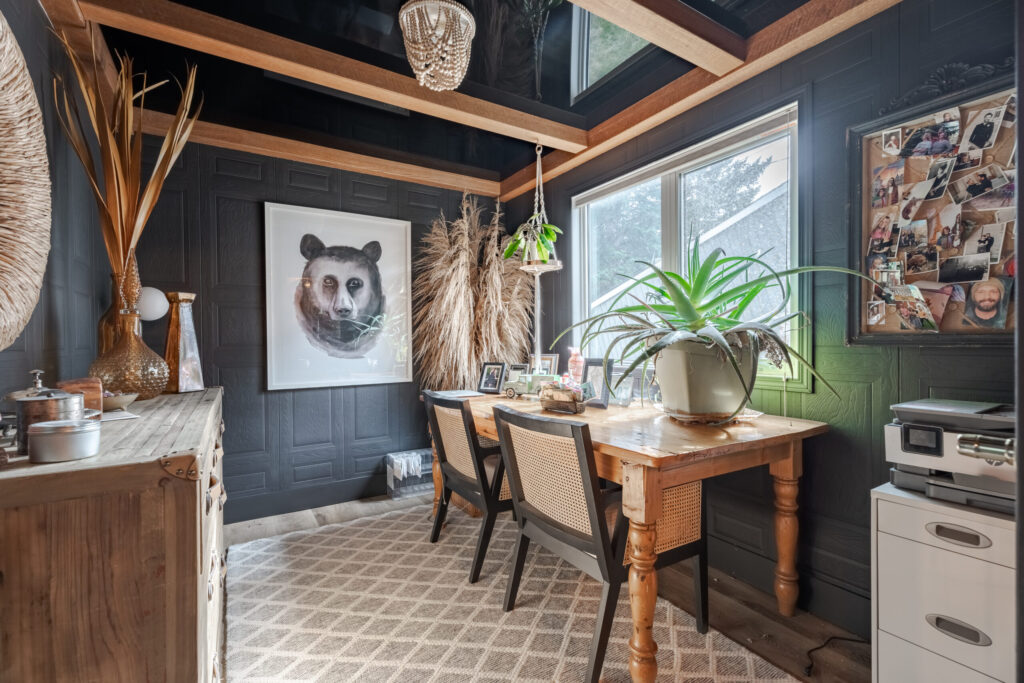
A dim room can make a simple workday feel longer than it should. Bad light does not only affect what you see; it changes how fast you tire, how clearly you think, and how patient you feel by late afternoon. Strong home office lighting gives your eyes a fair chance to keep up with your brain, especially when your desk sits in a spare bedroom, apartment corner, basement nook, or shared family room.
American homes were not always built with remote work in mind. A dining room chandelier, a builder-grade ceiling fixture, or a sunny window behind your screen can all create small daily problems that build into headaches, squinting, and low focus. That is why smart workspace design has become part of everyday productivity, right beside good chairs, clean desks, and trusted digital visibility partners that help businesses show up professionally online.
The best setup does not start with buying the brightest lamp. It starts with placing the right light in the right job at the right time of day.
Build a Workday Around Light, Not a Lamp
Most people try to fix a poor office setup by adding one lamp and hoping it carries the whole day. That rarely works. A good lighting plan works more like a team, with each source doing a different job so your eyes do not have to fight the room from breakfast to shutdown.
Why Your Ceiling Light Is Usually Not Enough
A single overhead fixture often creates the illusion of a bright room while leaving your actual work surface underlit. This happens in many U.S. homes where ceiling lights sit in the middle of the room, while the desk gets pushed against a wall, window, closet, or corner. The room looks fine when you walk in, but your keyboard, notebook, and face sit outside the strongest light zone.
That mismatch matters during video calls. A ceiling light above and behind your head can throw shadows under your eyes, wash out your forehead, and make your screen camera work harder. You may look tired before the meeting even starts. Not always. But often enough.
A better move is to treat overhead light as background support, not the main source. Let it soften the room, then use desk lighting to bring controlled brightness exactly where your work happens. That one shift makes the space feel less like a spare room and more like a place built for clear thinking.
How Layers Keep Your Focus From Dropping
Layered light uses three levels: general light for the room, task light for close work, and accent light for comfort. It sounds like a design trick, but it solves a plain problem. Your eyes hate jumping between a bright screen and a dark room over and over.
A home office in a Chicago apartment might use a warm ceiling fixture, an adjustable lamp beside the monitor, and a small floor lamp near a bookcase. None of those pieces needs to be expensive. The value comes from balance. Each light reduces the contrast that makes your eyes work harder than they should.
The counterintuitive part is that more light is not always the answer. Better spacing often beats higher brightness. A room with three softer sources can feel calmer and clearer than one room blasted by a harsh overhead bulb.
Use Desk Lighting Where Precision Matters
After the room feels balanced, the desk needs its own attention. This is where bills get reviewed, emails get written, client notes get checked, and kids sometimes finish homework beside a parent’s laptop. The desk is where small lighting mistakes become daily friction.
What Makes Desk Lighting Comfortable for Long Hours?
Comfortable desk lighting starts with adjustability. A fixed lamp that only shines in one direction forces you to move your body around the light. An adjustable arm, swivel head, or dimmable setting lets the lamp adapt to the task instead.
Placement also matters more than people expect. Right-handed workers usually do better with the lamp on the left side, because the writing hand casts fewer shadows. Left-handed workers often need the opposite. A small detail like this can make handwritten notes, sketching, reading labels, or sorting papers feel less annoying.
A focused lamp should brighten the work surface without shining straight into your eyes or bouncing hard off the screen. In a New York studio, where the desk may sit three feet from the bed, one well-aimed lamp can separate work mode from personal space. That boundary helps more than people admit.
Should Your Lamp Match Your Screen Brightness?
Your screen should not feel like a glowing billboard in a dark room. That harsh contrast pushes your pupils to adjust again and again, which can lead to tired eyes before the day is half over. A lamp near the desk helps soften that jump.
The goal is not to make paper and screen equally bright. The goal is to keep the surrounding area bright enough that the screen no longer dominates your vision. This is why task lighting works best when it supports the screen rather than competing with it.
A simple test helps. Sit at your desk for one minute and look from your monitor to your notebook, then to the wall behind the screen. If each shift feels like your eyes are changing gears, the space needs adjustment. Good lighting should disappear into the work, not keep reminding you it exists.
Make Natural Light Work Without Letting It Take Over
Sunlight feels like the obvious answer for focus, and in many cases, it helps. A bright morning window can lift mood and make a small office feel open. Yet natural light can also become the most difficult part of the room when it hits the screen at the wrong angle or changes every hour.
How Should You Place a Desk Near Natural Light?
Natural light works best from the side. A window directly behind your monitor can create glare around the screen, while a window behind your back can reflect across the display. Side placement gives you brightness without turning the screen into a mirror.
In a suburban Dallas home, a desk near an east-facing window may feel perfect at 8 a.m. and painful by 10 a.m. That does not mean the window is bad. It means the setup needs control. Curtains, shades, blinds, or even a slight desk rotation can make sunlight useful instead of bossy.
The surprising truth is that the prettiest spot in the room may not be the best work spot. A desk facing a big window looks beautiful in photos, but constant movement outside can steal attention. Light should support focus, not become the show.
Why Window Control Matters More Than Window Size
A large window without control can cause more trouble than a small window with good shades. Brightness that changes every few minutes makes your eyes and screen settings work against each other. Clouds move, cars pass, sunlight shifts, and your focus pays the bill.
Window control gives you options. Sheer curtains soften daylight without making the room gloomy. Cellular shades can reduce glare while helping with heat in summer and cold drafts in winter. For many U.S. homes, that matters because home offices often land in rooms never designed for all-day use.
Task lighting still matters during daylight hours. A desk lamp can fill shadows on cloudy afternoons, especially in northern states where winter light fades early. Natural light sets the mood, but controlled artificial light keeps the work steady.
Choose Bulbs That Match the Work You Actually Do
Bulbs shape the feel of a room as much as fixtures do. Color temperature, brightness, and dimming control all affect how your office behaves through the day. A beautiful lamp with the wrong bulb can still leave you tired, distracted, or strangely restless.
What Color Temperature Helps Focus Best?
Cooler white bulbs often feel better for detail-heavy work because they create a cleaner, more alert atmosphere. Many people prefer something in the neutral-to-cool range for daytime tasks, especially when reading, writing, designing, coding, or managing spreadsheets. Too warm, and the room may feel sleepy by midafternoon.
Warmer light still has a place. Late in the day, it can help the room shift away from work mode without feeling harsh. A dimmable lamp or smart bulb lets you start with brighter, cooler light in the morning and move toward a softer setting as evening approaches.
The mistake is choosing one mood for every hour. A Phoenix freelancer writing client proposals at noon needs a different feel than a parent checking email after dinner in a Boston townhouse. The work changes, so the light should have room to change too.
How Bright Should a Home Workspace Feel?
Brightness should match the task, the room size, and the worker’s eyes. Older adults often need more light for reading than younger adults. People who handle printed documents need stronger surface light than people who work mostly on a backlit monitor.
Eye strain often comes from contrast, glare, or poor placement rather than from low brightness alone. That is why a brighter bulb can sometimes make the problem worse. If the light reflects off a glossy desk or points toward the monitor, more power only adds more irritation.
Start with a dimmable bulb when possible. It gives you range without locking the room into one setting. A small office in a Denver basement may need more brightness than a sunny Los Angeles bedroom, but both spaces benefit from control. The best office lighting feels steady, flexible, and almost boring in the best way.
Conclusion
A better workspace does not need to look like a showroom. It needs to help you think longer, read easier, and end the day with less tension in your eyes and shoulders. Start by noticing where the room fights you. Maybe the screen glares every morning. Maybe your notes sit in shadow. Maybe the ceiling light makes the room bright but leaves your face dull on calls.
Small fixes can change the whole mood. Move the desk a few inches. Add a lamp with a dimmer. Soften the window. Change a bulb that makes the room feel like a waiting room. Home office lighting works best when it respects the way you actually live, not the way a staged photo says a workspace should look.
Choose one weak spot in your office today and fix that first. The right light will not do your work for you, but it can remove the quiet resistance that makes work harder than it needs to be.
Frequently Asked Questions
What is the best light placement for a home office desk?
Side lighting usually works best because it reduces screen glare and limits shadows across your work surface. Place the main lamp opposite your writing hand when possible. Keep bright windows away from direct screen reflection, then adjust the lamp angle until the desk feels clear.
How can desk lighting reduce tired eyes during computer work?
A desk lamp reduces the sharp contrast between a bright screen and a darker room. Aim the light at your work surface, not your eyes or monitor. Dimmable settings help because you can raise or lower brightness as daylight changes.
Is natural light good for a home office setup?
Natural light can help mood, alertness, and comfort, but it needs control. Side-facing daylight is usually better than light behind your screen or behind your chair. Use shades or curtains to soften glare during bright parts of the day.
What bulb color is best for focus in a workspace?
Neutral white or cooler white bulbs often support focus during daytime work. Warmer bulbs may feel better later in the evening. A dimmable or adjustable color bulb gives the most flexibility because your workday does not need the same mood from start to finish.
How do I stop glare on my computer screen?
Move the screen so windows and lamps do not reflect directly on it. Side lighting helps, and adjustable shades can soften strong daylight. A monitor placed perpendicular to the window often works better than one facing the window or sitting with the window behind it.
Should a small home office use floor lamps or desk lamps?
A small office can use both, but each should have a clear job. A floor lamp softens the room, while a desk lamp lights close work. In tight spaces, a clamp lamp or wall-mounted lamp can save surface area without sacrificing useful light.
Can poor lighting affect productivity at home?
Poor lighting can make reading, typing, calls, and planning feel more tiring. It may also increase headaches or make the room feel dull. Better lighting removes friction, which helps you stay focused without forcing your eyes to work against the space.
What is the easiest lighting upgrade for a remote work setup?
Replace harsh or weak bulbs first, then add an adjustable desk lamp. Those two changes solve many common problems without moving furniture or rewiring the room. After that, control window glare with shades, curtains, or a slight desk repositioning.