
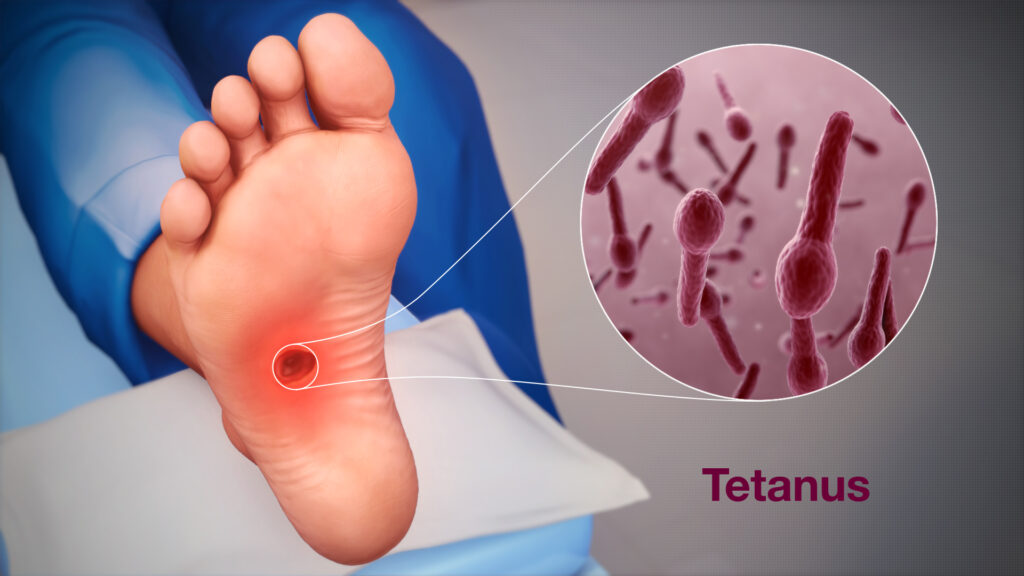
Tetanus symptoms typically include jaw stiffness, painful muscle tightening, difficulty swallowing, and sudden spasms. Symptoms may begin days or weeks after bacteria enter a wound, even when the injury looks small or has healed. Tetanus is a medical emergency because spasms can affect breathing, heart rate, and blood pressure.
Is lockjaw always the first tetanus symptom?
Jaw tightness, medically called trismus, is one of the most recognizable early signs and is often the first. A person may struggle to open the mouth, chew, or swallow. Neck stiffness, headache, sweating, fever, and abdominal muscle rigidity can follow.
Symptoms commonly appear between three and 21 days after exposure, with the CDC reporting an average of about eight days. The timing depends partly on the wound and how close it is to the nervous system.
After any injury, safer home maintenance habits can reduce further hazards. Still, cleaning a wound does not replace checking whether a tetanus vaccine or other preventive care is needed.
What do tetanus spasms feel like?
Tetanus toxins interfere with normal control of the muscles. This can produce painful, involuntary contractions in the jaw, neck, back, abdomen, arms, or legs. Bright light, touch, noise, or another small stimulus may trigger a powerful spasm.
| Symptom | Possible presentation | Concern |
| Lockjaw | Mouth difficult to open | Early classic sign |
| Rigidity | Constant muscle tightness | May spread downward |
| Spasms | Sudden painful contractions | Can affect breathing |
| Autonomic changes | Sweating, unstable pulse | Requires hospital care |
Severe contractions may arch the back, cause fractures, or obstruct the airway. Changes in blood pressure and heart rate can occur because the toxin also disrupts autonomic nervous-system control.
Simple family health reminders can help keep vaccination dates available. A written record is more dependable than trying to remember the year of the last booster during an emergency.
Which wounds can create a tetanus risk?
Tetanus spores live in the environment and can enter through cuts, punctures, burns, crush injuries, contaminated wounds, or damaged tissue. Deep punctures and wounds containing dirt or dead tissue can create conditions in which the bacteria grow.
A rusty object is not dangerous because rust itself causes tetanus. The concern is that a dirty, penetrating object can carry environmental spores deep into tissue. Clean-looking injuries can also require assessment.
Tetanus does not spread from one person to another. Having had tetanus previously does not provide dependable immunity, so vaccination remains necessary afterward.
What should you do after a concerning wound?
Wash the injury, remove visible dirt when it can be done safely, and seek medical advice based on the wound and vaccination history. Healthcare professionals may recommend a tetanus-containing vaccine and, for certain high-risk wounds in people without adequate immunity, tetanus immune globulin.
The CDC tetanus wound guidance describes professional wound assessment and prevention. Antibiotics are not used simply as a substitute for tetanus vaccination or immune globulin.
Organizing medical expense preparation may make follow-up easier, but don’t postpone wound care because the injury seems minor or inconvenient.
Mistakes that leave people unprotected
The “rusty nail only” myth causes people to ignore burns, animal bites, injection injuries, and contaminated cuts. Another mistake is assuming that wound cleaning alone neutralizes toxin already being produced.
People may also believe a childhood vaccine protects them forever. Protection requires an appropriate primary series and boosters according to current recommendations and individual circumstances.
And once spasms or lockjaw begin, this is no longer a routine vaccine question. The person needs emergency hospital evaluation, airway monitoring, toxin-neutralizing treatment, wound care, and control of muscle spasms.
Red flags: when to seek emergency help
Call emergency services for lockjaw, difficulty swallowing, breathing problems, painful generalized stiffness, repeated spasms, seizures, back arching, unstable heartbeat, extreme sweating, or symptoms triggered by light or touch. Tell clinicians about recent wounds and vaccination history. Do not force food or drinks into the mouth of someone having jaw or throat spasms.
Can a tiny puncture wound cause tetanus?
Yes. A small surface opening can hide a deeper injury where oxygen levels are low and bacteria can produce toxin.
Is tetanus contagious?
No. It does not spread from person to person; spores enter through damaged skin or wounds.
Can someone recover without hospital treatment?
Tetanus is potentially fatal and requires hospital treatment. Waiting for spasms to settle at home can lead to airway loss or severe complications.
Check wounds and vaccination history promptly
Clean the injury and confirm when the last tetanus-containing vaccine was received. Seek professional advice when the wound is deep, dirty, crushed, burned, or contaminated. If stiffness or spasms have started, treat the situation as an emergency.
This information is educational and does not replace wound assessment, vaccination advice, or emergency treatment from a qualified healthcare professional.