
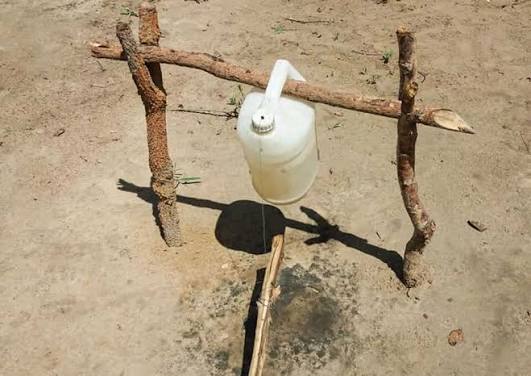
Modern life often encourages people to look for something new whenever they face a problem. A new device promises greater convenience, another subscription offers better organization, and a new purchase appears to provide an easier solution. Yet many useful resources are already within reach. They may be sitting at home, available within the local community, accessible online, or hidden within skills and relationships that have developed over time.
Learning to recognize and use these existing resources can reduce unnecessary spending, simplify daily routines, and encourage a more thoughtful approach to everyday life. It is less about avoiding new things and more about understanding the value of what is already available.
Start by Looking at What You Already Have
One of the simplest ways to make better use of resources is to take stock of what you own. Cupboards, garages, storage areas, digital folders, and even kitchen shelves often contain useful items that have been forgotten.
Before buying something, consider whether an existing item could serve the same purpose. Furniture can sometimes be rearranged instead of replaced. Storage containers can be reused in different rooms. Clothes that are rarely worn can be altered, combined differently, or passed on to someone who will use them.
The same principle applies to information. People looking for household ideas, parenting suggestions, or everyday inspiration may discover useful perspectives through a family blog Australia rather than purchasing another book, app, or subscription. Using accessible information effectively can be just as valuable as owning more physical products.
Treat Information as a Practical Resource
The internet has created access to an enormous amount of information, but having access is not the same as using it effectively. Saving hundreds of articles without reading them or bookmarking resources without applying their advice does little to improve daily life.
A more practical approach is to identify a small number of useful information sources and return to them when needed. A resource such as Vizz Blog, for example, may form part of a broader collection of online reading used to discover ideas, perspectives, or practical information.
The goal should be purposeful consumption. Instead of endlessly collecting information, choose what is relevant, evaluate it carefully, and apply useful ideas. This can reduce information overload while helping digital resources become genuinely valuable.
Make Your Home Work Harder
Homes contain opportunities for better resource use beyond simply reusing possessions. Space itself is a resource. A rarely used corner might become a reading area, compact workspace, or storage zone. An underused spare room may serve several purposes rather than remaining dedicated to occasional guests.
Even small adjustments can make existing spaces more functional. Shelving can make better use of vertical areas, furniture with storage can reduce clutter, and reorganizing frequently used items can save time every day.
Maintenance also matters. Looking after appliances, furniture, fixtures, and tools can extend their useful life. Regular cleaning and minor repairs may prevent the need for premature replacement. This approach can save money while reducing unnecessary waste.
Explore What Your Community Already Provides
Some of the most valuable resources available to people do not belong to them personally. Libraries, parks, recreation centers, community groups, local events, markets, and public facilities can provide entertainment, education, exercise, and social opportunities.
Libraries are a particularly good example. Many now provide more than physical books, with services that may include digital materials, learning resources, public computers, workshops, and community activities.
Local information sources can also help people discover what is available nearby. Following Melbourne news and lifestyle content, for instance, can help readers learn about events, changing neighborhoods, cultural activities, transport developments, and other aspects of city life that they might otherwise overlook.
Exploring the community can reveal that many useful experiences do not require expensive memberships or long journeys.
Use Transportation More Strategically
Transportation is another area where existing resources can often be used more effectively. People sometimes default to the same travel method without considering whether another available option would be more practical for a particular journey.
Walking may work for short trips, cycling may be suitable in some areas, and public transportation can reduce the need to drive into congested locations. Combining different transportation options can also make certain journeys easier.
A reliable metro travel guide can help people understand routes, connections, stations, and potential ways to plan trips more efficiently. Better knowledge of a transport network can make an existing public resource significantly more useful.
Planning several errands within the same journey can also reduce unnecessary travel. Small changes in how trips are organized may save both time and transportation costs.
Recognize Skills as Resources
Resources are not limited to objects, places, or services. Skills are among the most valuable resources people possess.
Cooking, basic repairs, budgeting, gardening, organizing, sewing, communication, and technology skills can all reduce dependence on outside services for simple tasks. This does not mean attempting specialized work that requires professional training. Rather, it means recognizing tasks that can reasonably and safely be handled using existing knowledge.
Skills can also be shared. One person might help a friend with computer basics while receiving gardening advice in return. Families and communities have always benefited from exchanging knowledge, and digital communication has made such exchanges easier to organize.
Make Better Use of Time
Time is perhaps the resource people most frequently feel they lack. Yet improving how existing time is used can sometimes be more effective than trying to fit additional activities into an already busy schedule.
Small pockets of time can be used intentionally. A commute might provide an opportunity to listen to an educational podcast. Meal preparation can be simplified by preparing ingredients for several meals at once. Household errands can be grouped geographically instead of being completed through separate trips.
At the same time, productive use of time does not mean filling every minute. Rest, conversation, hobbies, and unstructured time are valuable too. Good resource management should make life more manageable, not turn every moment into another task.
Share, Borrow, Repair, and Repurpose
Not everything needs to be individually owned. Items used only occasionally may be borrowed from friends, relatives, neighbors, or community services where appropriate. Tools, books, recreational equipment, and specialty kitchen items are examples of things that may spend most of their lives sitting unused.
Repairing can also be worthwhile. A damaged chair, loose cabinet handle, torn piece of clothing, or malfunctioning household item may need only a relatively small fix.
Repurposing adds another possibility. Containers can become organizers, old furniture can serve a new function, and unused materials from one project may be suitable for another.
A More Resourceful Approach to Everyday Life
Making better use of existing resources begins with awareness. Before buying, replacing, subscribing, or traveling elsewhere, it can be useful to ask what is already available.
The answer might be an overlooked item at home, a skill you already possess, a public facility nearby, a useful source of information, or help from someone within your community. Over time, this mindset can reduce waste, control unnecessary expenses, and make daily routines more efficient.
Resourcefulness is not about doing without. It is about recognizing value that is easy to overlook. By using possessions, information, community services, transportation, skills, and time more thoughtfully, people can often accomplish more without continually adding more.