
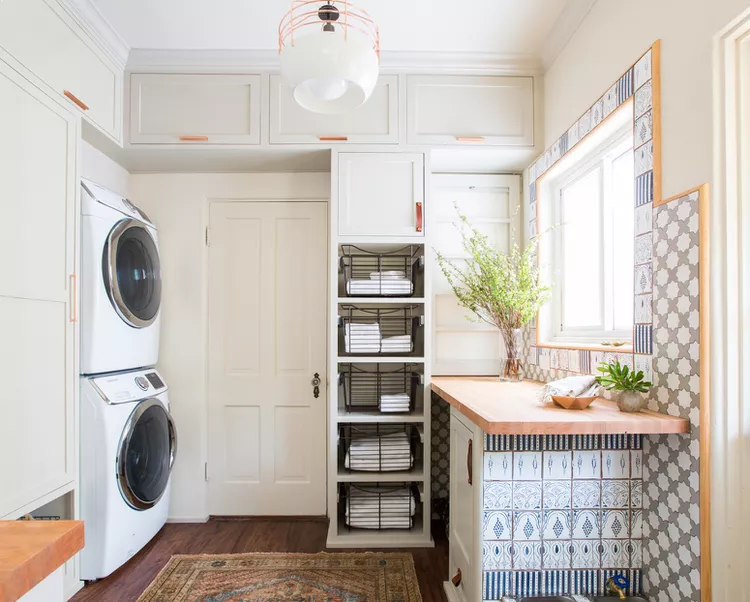
Laundry turns into a family problem long before the hampers overflow. It starts with one missing soccer sock, one wet towel left too long, one school shirt needed before 7 a.m., and a room that works against you instead of with you. Functional laundry room ideas matter because busy homes need systems, not prettier chaos with better baskets.
A hard-working laundry space does not need to look like a showroom. It needs to catch mess before it spreads, move clothes through faster, and give every person in the house fewer excuses. For families trying to keep the whole home running smoother, practical home organization choices often matter more than expensive finishes, and that is why resources like smart household planning fit naturally into the way modern American families think about daily routines.
The best laundry room is not the biggest one. It is the one that knows your life. A narrow hallway closet in a Chicago apartment can outperform a large suburban laundry room if the setup fits how the family actually uses it. That is the honest starting point: design for the laundry you have, not the fantasy version you wish your family created.
Build the Room Around Real Family Traffic
A laundry room fails when it ignores the movement of the house. Clothes do not appear in neat piles by magic. They come from bedrooms, bathrooms, backpacks, gym bags, kitchen towels, muddy uniforms, and the occasional mystery item nobody claims. The room has to receive all of that without becoming a dead end.
Create Drop Zones That Stop Piles Before They Spread
A family laundry room needs landing spots before it needs decoration. One basket by the washer is not enough when four people are changing clothes at different times. A better setup gives each type of laundry a place to land before anyone touches the machine.
A simple row of labeled hampers can change the rhythm of the house. Whites, darks, towels, school clothes, and sports gear each need their own zone. This keeps a parent from sorting through cold piles on the floor at night after work.
The counterintuitive part is that more baskets can create less mess. One giant hamper hides the problem until it becomes a mountain. Smaller drop zones show what needs attention before the room turns into a weekend punishment.
Keep the Main Path Clear for Fast Family Movement
A laundry room should never force people to step over clothes to reach the washer. Busy homes need open floor space more than extra décor. Even a small clear lane from the door to the machines makes the room feel calmer and easier to use.
In many American homes, the laundry room sits near the garage, kitchen, or mudroom. That means it often handles backpacks, shoes, jackets, dog towels, and grocery overflow. When the walkway gets blocked, the whole household feels it.
Wall hooks, slim shelves, and vertical baskets help protect the path. The goal is not perfection. The goal is keeping motion possible when the morning rush hits and everyone moves like the house is on fire.
Laundry Room Ideas That Make Sorting Easier
Sorting is where most laundry systems break. People delay it because it feels like a small chore attached to a bigger chore. Good design removes that hesitation by making the next step obvious before anyone has time to ignore it.
Use Family Labels That Everyone Understands
Labels should be written for the people using the room, not for a design magazine. “Cold wash,” “hot towels,” “sports,” and “delicates” work better than vague labels that look nice but do not guide behavior. Children can help sooner when the words match what they know.
Color labels can help younger kids or rushed adults. A blue tag for jeans, a white tag for towels, and a red tag for uniforms can make sorting almost automatic. This works well in homes where parents want kids to build responsibility without turning laundry into a lecture.
The small win matters. When every person can place clothes in the right spot, the person running the machine stops being the family’s sorting department.
Separate Urgent Loads From Regular Loads
Every family has “must-wash-now” items. It might be a baseball uniform before Saturday morning, a work shirt for a shift, or a preschool blanket that cannot miss nap time. These items should not disappear inside the normal laundry flow.
A small urgent bin solves that problem. It tells the household, “This needs attention first.” Without that bin, the loudest person gets their clothes washed, not the most important load.
This system also cuts down on last-minute panic. A parent can check one urgent spot at night instead of digging through hampers across three bedrooms. That single habit saves more stress than any fancy cabinet ever will.
Design Storage for Supplies, Linens, and Hidden Mess
Storage in a laundry room has to work harder than storage in most spaces. It holds detergent, stain spray, dryer sheets, cleaning cloths, batteries, pet supplies, paper towels, extra light bulbs, and sometimes half the things nobody knows where to put. Without limits, it becomes a junk drawer with appliances.
Give Daily Supplies the Best Real Estate
The items used every week should sit where hands naturally reach. Detergent, stain remover, dryer balls, lint rollers, and a small trash container belong close to the machines. Anything used less often can move higher, lower, or farther away.
Open shelves work well when the family can keep them tidy. Closed cabinets work better when the room collects visual noise fast. Neither choice is morally better. The better choice is the one your household can maintain on a normal Tuesday.
A Dallas family with three kids in sports may need stain tools at eye level. A couple in a small Boston condo may need a single shelf with refill containers. Good storage respects the load of the home instead of copying someone else’s setup.
Hide the Odd Items Without Losing Them
Laundry rooms often become the holding place for things that do not belong anywhere else. That is not always bad. The trouble starts when random items share space with laundry tools and slow everything down.
Use one contained basket for odd household extras. Batteries, spare hooks, lint shavers, small sewing items, and missing buttons can live there. The rule is simple: once the basket fills, something leaves.
This keeps the room honest. A laundry room can support family life without becoming the basement of forgotten objects. Boundaries make the difference.
Make Folding, Hanging, and Finishing Less Annoying
Washing clothes is not the part that breaks most families. Finishing the laundry does. Clean clothes sit in baskets because folding, hanging, and putting away require space, timing, and patience. The room has to make those final steps easier or the job never truly ends.
Add a Folding Surface That Matches Your Space
A folding counter does not need to be huge. It needs to stay clear enough to use. A shelf over front-load machines, a narrow wall-mounted table, or a small rolling cart can create the surface that keeps clean clothes from landing on the floor.
Top-load washers need a different plan. A fold-down wall table can work better than a fixed counter. In a tight laundry closet, a nearby dining table may become the folding station, but the laundry room still needs a clean basket system to move clothes there.
The unexpected truth is that folding space often matters more than cabinet space. Cabinets store things. A folding surface finishes the job.
Use Hanging Space Before Wrinkles Win
Hanging space saves time when clothes come out of the dryer warm. A simple rod, wall hook rail, or retractable drying rack can protect shirts, dresses, school uniforms, and work clothes before wrinkles settle in. It also gives delicate items a place to dry without taking over bathroom doors.
Families with limited space can mount a short rod between cabinets or use a ceiling rack in a mudroom-style laundry area. The point is not to hang every item. The point is to catch the clothes that cause the biggest headache later.
This is where functional laundry room ideas earn their keep. A room that helps finish the work prevents clean laundry from becoming another form of clutter.
Frequently Asked Questions
What are the best small laundry room ideas for families?
Use vertical storage, slim hampers, wall hooks, and a fold-down surface. Small rooms work best when the floor stays open and every item has a clear home. Avoid bulky cabinets if they make movement harder.
How can I organize a laundry room for kids?
Create low, labeled hampers and simple sorting categories children can understand. Use picture labels for younger kids. Keep unsafe products high and locked away, but make basic tasks like dropping clothes or matching socks easy.
What should every family laundry room include?
Every family laundry room needs sorting bins, reachable detergent storage, a stain station, a trash bin, hanging space, and a folding surface. These basics matter more than decorative extras because they support the full laundry cycle.
How do I keep laundry from piling up?
Use smaller sorted hampers, run loads before bins overflow, and create a clear urgent-load system. Clean clothes also need a finishing plan, because piles often grow after washing rather than before it.
Are open shelves good in a laundry room?
Open shelves work well for tidy families who use attractive containers and keep supplies limited. Closed storage works better when the room holds mixed household items. Choose the option that matches your real habits.
How can I make a laundry room look cleaner?
Clear the floor first, then reduce visual clutter. Matching bins, closed cabinets, labeled containers, and a simple color scheme help. A clean-looking laundry room starts with fewer loose items, not with more decoration.
Where should laundry hampers go in a busy home?
Place hampers where clothes naturally come off: bedrooms, bathrooms, mudrooms, and the laundry room. The laundry room should have sorted bins, while bedrooms can use basic collection hampers to keep clothes off the floor.
What is the easiest laundry system for a large family?
The easiest system separates clothes before wash day. Give each family member or laundry type a clear bin, keep urgent items separate, and fold clothes as soon as possible. Simple routines beat complicated schedules every time.