
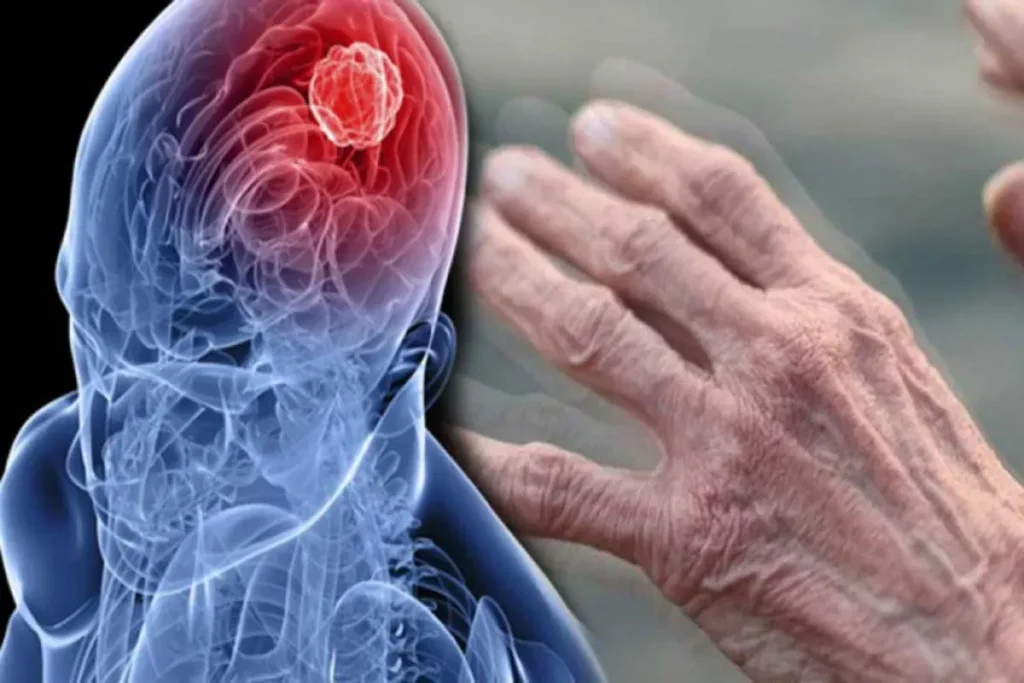
Parkinson’s disease symptoms commonly include slowness of movement, muscle stiffness, resting tremor, and changes in walking or balance. A tremor is recognizable, but it is not always the first or most disabling sign. Smaller handwriting, reduced arm swing, softer speech, sleep changes, and constipation may also become noticeable.
Which Movement Changes Suggest Parkinson’s Disease?
Bradykinesia means slowness of movement and is a central feature of Parkinson’s disease. Everyday actions may require more effort, and movements can become smaller. A person may take longer to stand, button clothing, turn in bed, or begin walking.
Muscle rigidity can create stiffness in the arms, legs, neck, or trunk. Walking may involve shorter steps, reduced arm swing, or difficulty turning. A movement pattern log can reveal changes that become invisible when they develop gradually.
Parkinsonian movement signs often begin more noticeably on one side. However, strokes, medication effects, essential tremor, and other neurological conditions can produce overlapping symptoms, so examination is necessary.
What Does a Parkinson’s Tremor Look Like?
The classic Parkinson’s tremor is often most visible when the affected hand is resting. It may lessen during purposeful movement and can begin in a hand, foot, or jaw. Not everyone with Parkinson’s develops a prominent tremor.
Record handwriting change notes or save dated writing samples. Progressively smaller handwriting can provide a concrete example of reduced movement size, although handwriting changes alone cannot diagnose Parkinson’s.
Essential tremor usually behaves differently and is often more noticeable during action. Yet these patterns can overlap, which is why judging the condition from a short video or written description can be misleading.
| Change | Possible Example | Useful Observation |
| Bradykinesia | Slower dressing or walking | Time and side affected |
| Resting tremor | Hand shakes while relaxed | Rest versus action |
| Rigidity | Stiff arm or reduced swing | Pain and movement range |
| Postural change | Stooped stance or instability | Falls and turning difficulty |
Which Non-Movement Symptoms May Appear?
Parkinson’s disease can involve more than movement. Sleep disruption, constipation, reduced sense of smell, mood changes, fatigue, and cognitive difficulties may occur, although each also has numerous other causes.
Medication timing can influence how diagnosed patients move during the day. A medication timing record can help a treating clinician understand when symptoms improve, return, or fluctuate. Never change the dose or schedule without medical guidance.
Speech may become quieter, facial expression may appear reduced, and swallowing can become harder as the condition progresses. Speech-language and physical assessments may therefore be part of care rather than optional extras.
Where People Commonly Misread the Signs
Not every hand tremor is Parkinson’s disease. Caffeine, anxiety, certain medications, thyroid disorders, essential tremor, and other conditions can cause shaking. A tremor that appears only during movement may point toward a different pattern, though exceptions occur.
Another mistake is waiting for tremor before mentioning slowness or stiffness. Parkinson’s can occur without an obvious tremor, and reduced arm swing or difficulty starting movements may be more noticeable.
Don’t perform risky walking “tests” at home. Turning quickly, walking backward, or standing with the eyes closed can cause a fall. Neurological balance testing belongs in a controlled clinical setting.
Red Flags: When to Get Medical Help
Call emergency services for sudden weakness, facial drooping, speech problems, severe confusion, or an abrupt inability to walk. Parkinson’s usually develops progressively, so a sudden major change may indicate stroke, infection, medication toxicity, or another emergency.
Prompt assessment is also needed for repeated falls, choking, breathing difficulty, hallucinations with unsafe behavior, fainting, or a rapid decline. A person with known Parkinson’s who suddenly becomes much more confused or immobile may have an unrelated acute illness requiring urgent care.
Frequently Asked Questions
Does Parkinson’s disease always cause shaking?
No. Some people have little or no noticeable tremor. Slowness, rigidity, walking changes, and non-movement symptoms may be more prominent.
Can Parkinson’s symptoms begin on one side?
Yes. Early movement symptoms are often more noticeable on one side, although both sides may become affected as the disease progresses.
Is Parkinson’s diagnosed with a single scan?
Diagnosis is primarily clinical and depends on history and neurological examination. Imaging or other tests may help exclude alternative explanations, but no routine scan independently confirms every case.
Ask About Small but Persistent Movement Changes
A single shaky day is not enough to identify Parkinson’s disease. Persistent slowness, stiffness, reduced movement size, resting tremor, or walking changes deserve a neurological assessment. The NINDS Parkinson’s disease resource provides a trustworthy starting point for understanding recognized symptoms.
This information is educational and does not replace diagnosis or treatment from a qualified healthcare professional.