
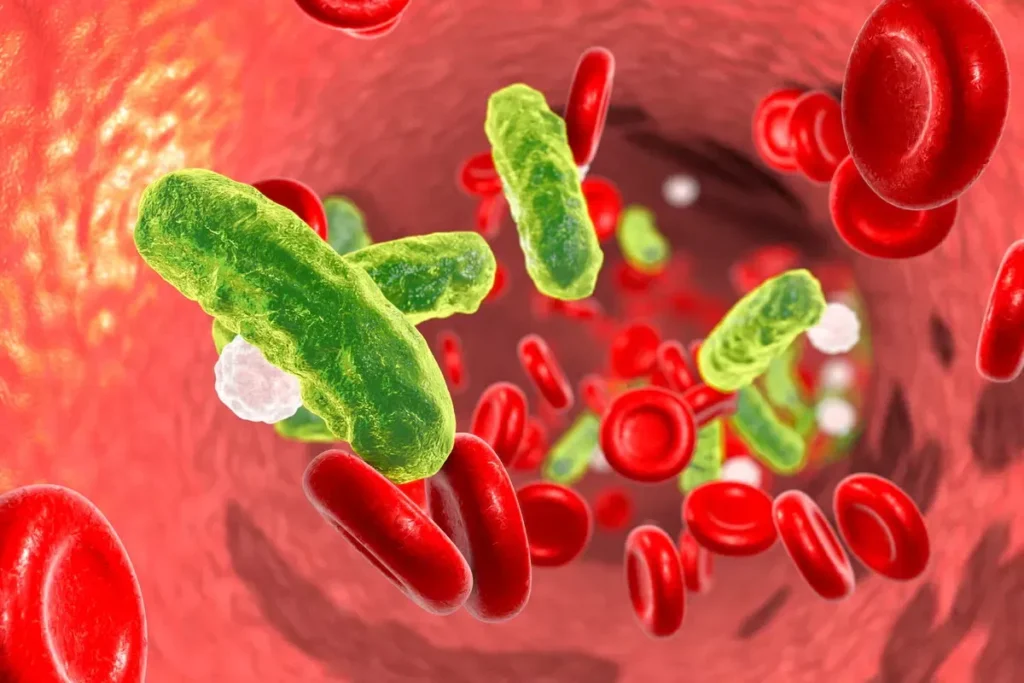
Sepsis symptoms can include confusion, clammy skin, shortness of breath, severe discomfort, fever or chills, and a fast heart rate or weak pulse. It occurs when the body has an extreme response to an infection and begins damaging its own tissues and organs. Sepsis is a life-threatening medical emergency.
What can sepsis look like in its early stages?
Sepsis often appears as an infection that is worsening instead of improving. The person may feel intensely unwell, become confused, breathe faster, shiver, sweat, or complain of unusual pain. Their skin may feel cold, moist, or clammy.
A patient recovering from a urinary infection, for example, might suddenly become disoriented and breathless. Writing down changes in an infection progress log can support communication, but possible sepsis should trigger immediate medical care.
Infections leading to sepsis commonly begin in areas such as the lungs, urinary tract, gastrointestinal tract, or skin. Almost any infection can potentially lead to it, and the original infection may not yet have a confirmed diagnosis.
Does sepsis always cause a high fever?
No. A person may have fever and shivering, but they can also feel unusually cold. Temperature alone cannot rule sepsis in or out. The overall pattern—especially rapid deterioration, confusion, breathing changes, and circulation problems—is more important.
Older adults, babies, people with weakened immune systems, and patients with serious chronic conditions may show less typical signs. A relative may first notice sleepiness, reduced interaction, poor feeding, or a sudden inability to perform normal activities.
Keep medication names, allergies, diagnoses, recent procedures, and infection details within your personal record keeping. Emergency teams need that information quickly, particularly when the patient cannot answer clearly.
How do possible warning patterns compare?
| Possible change | Why it matters | Response |
|---|---|---|
| Confusion or disorientation | Possible organ or circulation problem | Seek emergency care |
| Fast breathing or breathlessness | Possible respiratory stress | Seek emergency care |
| Clammy skin or weak pulse | Possible poor circulation | Seek emergency care |
| Worsening infection with extreme pain | Possible systemic response | Seek emergency care |
Septic shock is a severe progression involving dangerously impaired circulation and low blood pressure. Without rapid treatment, sepsis can cause tissue damage, organ failure, and death.
Review the CDC’s official sepsis information for recognized warning signs and prevention guidance.
What should you say when requesting help?
State clearly that the person has an infection or suspected infection and is rapidly getting worse. Describe confusion, breathing difficulty, severe pain, abnormal temperature, reduced urination, skin changes, or weakness. Ask whether the symptoms could represent sepsis.
Prepare the approximate symptom start time, recent treatment, medication list, allergies, procedures, and relevant health conditions. Basic urgent care preparation can reduce delays when another person must provide the history.
Do not wait for a routine appointment when the patient is deteriorating quickly. And do not let temporary improvement after fever medicine create false reassurance if confusion, breathlessness, weakness, or clammy skin remains.
Which mistakes make sepsis easier to miss?
One mistake is assuming sepsis requires a visible wound or confirmed bacterial infection. Pneumonia, urinary infections, abdominal infections, skin infections, and other illnesses may be involved.
Another is blaming new confusion on age, tiredness, or medication without urgent assessment. A sudden mental decline during an infection is a serious warning sign. Finally, don’t wait for every symptom on a checklist. A patient may show only a few signs before becoming critically ill.
RED FLAGS: When to get emergency help
Call 911 in the United States or your local emergency number when an infection is accompanied by confusion, severe breathlessness, fainting, blue or mottled skin, a weak pulse, extreme pain, inability to stay awake, or rapid deterioration.
Immediate assessment is also needed when a baby, older adult, recently hospitalized patient, or immunocompromised person becomes unusually sleepy, poorly responsive, or unable to drink. CDC guidance says to act fast when an infection is not improving or is getting worse.
Frequently Asked Questions
Can sepsis develop from a minor infection?
Yes. Sepsis can follow many kinds of infection, including infections that initially seem manageable. Risk depends on the organism, infection location, patient health, immune response, and how quickly effective care begins.
Is sepsis the same as blood poisoning?
“Blood poisoning” is an older informal term often associated with sepsis, but sepsis is a broader harmful response to infection. The infection does not always begin in the bloodstream.
Can someone have sepsis while already taking antibiotics?
Yes. The germ may not respond to that antibiotic, the infection may require drainage or another procedure, or severe inflammation may continue. Worsening symptoms during treatment need urgent reassessment.
Say the Word and Act Fast
When someone with a possible infection becomes confused, breathless, clammy, severely weak, or dramatically worse, seek emergency care and ask, “Could this be sepsis?” That direct question can focus attention on a rapidly developing medical emergency.
This information is educational and does not replace diagnosis or treatment from a qualified healthcare professional.