
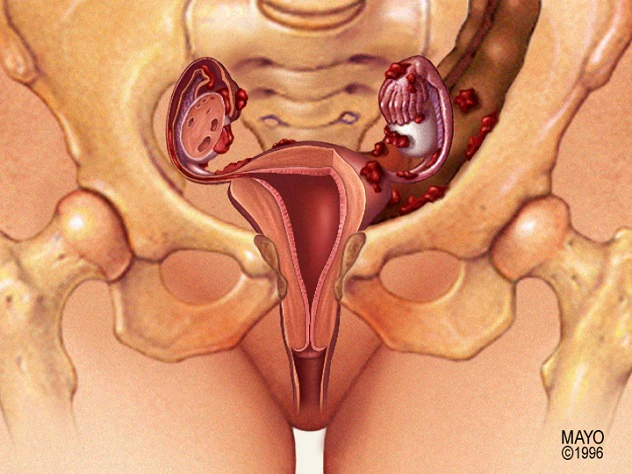
Endometriosis symptoms may include severe menstrual cramps, chronic pelvic or lower-back pain, pain during or after sex, painful bowel movements, painful urination during periods, heavy bleeding, and difficulty becoming pregnant. Symptoms vary widely, and pain intensity doesn’t reliably show how much endometriosis is present. Persistent cycle-related pain deserves proper evaluation.
Which Endometriosis Symptoms Are Most Common?
Pain is the best-known symptom, but its timing and location can differ. Some people hurt mainly during menstruation, while others experience discomfort throughout the month.
Common patterns include:
- Menstrual cramps that disrupt normal activities
- Chronic pelvic or lower-back pain
- Deep pain during or after sex
- Painful bowel movements during periods
- Pain when urinating during menstruation
- Heavy bleeding or bleeding between periods
- Bloating, nausea, constipation, or diarrhea around menstruation
- Difficulty becoming pregnant
The Office on Women’s Health lists severe menstrual cramps, chronic pelvic pain, pain during or after sex, intestinal pain, and painful bowel movements or urination among recognized symptoms.
A written pelvic pain journal can show whether symptoms follow the menstrual cycle. Include pain location, bowel or bladder changes, bleeding, medication use, and activities you had to cancel.
How Much Period Pain Is Too Much?
The direct answer is that pain deserves evaluation when it repeatedly limits school, work, sleep, exercise, sex, or routine responsibilities. Fainting, vomiting, or being unable to function during menstruation shouldn’t be treated as an unavoidable rite of passage.
| Pain Pattern | Possible Endometriosis Clue | Other Conditions to Consider |
| Severe cramps | Worsening pain before or during periods | Adenomyosis, fibroids |
| Pain with sex | Deep pelvic discomfort | Pelvic floor problems, infection |
| Bowel pain | Worse during menstruation | IBS, inflammatory bowel disease |
| Bladder pain | Cyclical urinary discomfort | UTI, bladder pain syndrome |
Some people with extensive endometriosis report mild symptoms, while others with smaller areas of disease experience severe pain. This weak relationship between pain intensity and disease extent is one reason dismissing symptoms can be harmful.
Accurate pain pattern records help clinicians understand what “bad cramps” actually means in daily life. Specific examples carry more weight than a number on a pain scale alone.
Why Is Endometriosis Sometimes Missed?
Symptoms overlap with irritable bowel syndrome, bladder disorders, pelvic floor dysfunction, fibroids, adenomyosis, ovarian cysts, and other causes of pelvic pain. A normal basic examination also doesn’t automatically rule it out.
Ultrasound can identify some endometriomas and other pelvic problems, but normal imaging doesn’t exclude every form of endometriosis. Diagnosis may involve history, examination, imaging, response to treatment, and in selected cases, surgery.
Careful care appointment preparation can prevent key details from being lost. Bring cycle dates, previous scans, medications tried, family history, and a short description of how symptoms affect daily functioning.
What Symptoms Can Affect the Bowel or Bladder?
Some people experience constipation, diarrhea, bloating, painful bowel movements, or rectal pressure that becomes worse near menstruation. These symptoms may resemble a digestive disorder.
Urinary urgency, bladder discomfort, or painful urination can also follow a cyclical pattern. Blood in urine is not something to ignore and needs medical evaluation.
It is possible to have both endometriosis and another condition, such as IBS or pelvic floor dysfunction. Receiving one diagnosis doesn’t mean every remaining symptom has been explained.
Where Evaluation Commonly Goes Wrong
A major mistake is assuming that painful periods are harmless because other relatives experienced the same thing. Family patterns can normalize symptoms that still require care.
Another problem is judging severity by outward appearance. Someone may look calm while managing severe pain, fatigue, nausea, or bleeding.
And pregnancy should not be presented as a guaranteed treatment. Symptoms can change during and after pregnancy, but pregnancy isn’t a cure and shouldn’t replace an individualized care plan.
Red Flags and When to Get Help
Seek urgent care for sudden severe pelvic pain, fainting, shoulder pain, fever, repeated vomiting, a rigid or swollen abdomen, or heavy bleeding causing weakness or dizziness. Severe one-sided pain may reflect an ovarian emergency or another acute condition. Possible pregnancy combined with pelvic pain or bleeding requires prompt assessment because ectopic pregnancy can be life-threatening. New blood in urine or stool, unexplained weight loss, or rapidly worsening symptoms also deserves timely medical attention.
Frequently Asked Questions
Can endometriosis cause pain between periods?
Yes. Some people experience chronic pelvic, back, bowel, bladder, or sexual pain throughout the month. Others notice symptoms mainly around ovulation or menstruation.
Does a normal ultrasound rule out endometriosis?
No. Imaging can detect certain ovarian cysts and deeper disease, but some endometriosis may not be visible on a routine scan. Clinical evaluation remains important when symptoms persist.
Can teenagers have endometriosis?
Yes. Symptoms can begin during adolescence. Period pain that repeatedly causes missed school, vomiting, fainting, or failure of ordinary pain relief deserves assessment rather than dismissal.
Ask for a Symptom-Based Evaluation
Bring a concise pain and bleeding record to a clinician who takes pelvic symptoms seriously. Explain what the pain stops you from doing, not only where it hurts. Clear documentation can guide appropriate investigation and help distinguish endometriosis from other treatable causes.
This information is educational and does not replace diagnosis or treatment from a qualified healthcare professional.