
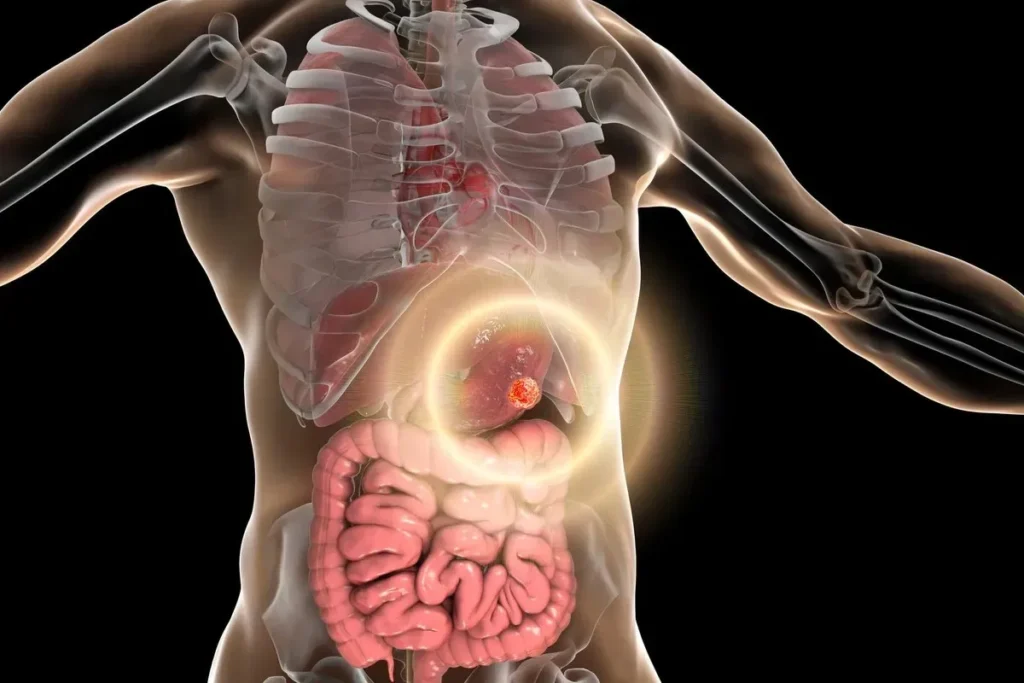
Stomach cancer symptoms may include persistent indigestion, upper abdominal discomfort, bloating after eating, mild nausea, appetite loss, heartburn, early fullness, vomiting, trouble swallowing, or unexplained weight loss. Most digestive symptoms aren’t cancer, but a progressive or unexplained pattern shouldn’t be managed indefinitely with antacids alone.
Which Early Stomach Cancer Symptoms Resemble Gastritis?
Early symptoms can be vague and familiar.
Indigestion, heartburn, nausea, reduced appetite, and a bloated feeling after meals commonly occur with reflux, gastritis, ulcers, medication effects, and dietary triggers. Stomach cancer may produce the same complaints, so the symptom label alone cannot separate the causes.
A more concerning pattern is one that is new, persists despite reasonable treatment, steadily worsens, or occurs with early fullness and unexplained weight change. The National Cancer Institute lists indigestion, stomach discomfort, post-meal bloating, mild nausea, appetite loss, and heartburn among possible early symptoms.
What Changes Suggest More Than Routine Indigestion?
Progression is the key warning.
Trouble swallowing, repeated vomiting, visible or hidden gastrointestinal bleeding, persistent stomach pain, jaundice, abdominal fluid buildup, and unexplained weight loss may appear with more advanced disease. Dark or black stool can reflect upper digestive bleeding, although medications and foods may also change stool color.
Pay attention when meals become difficult. Someone may start selecting smaller portions, loosening a belt, or switching to roomier clothing choices because fullness develops unusually quickly. That change is worth reporting when it continues.
How Can You Describe the Digestive Pattern Clearly?
Avoid the broad phrase “my stomach feels bad.”
| Symptom | Helpful description | Details to mention |
| Indigestion | Burning, pressure, or discomfort | Relation to meals and medication |
| Early fullness | Amount eaten before feeling full | Appetite and weight changes |
| Pain | Upper, central, or diffuse | Constant, intermittent, or meal-related |
| Vomiting or stool change | Frequency and appearance | Blood, black stool, weakness, dizziness |
Include alcohol use, smoking, anti-inflammatory medicines, previous ulcers, reflux treatment, anemia, family history, and any known Helicobacter pylori infection. Don’t stop prescribed medication without advice.
Familiar simple accessories may help maintain a normal routine during a stressful evaluation. Keep the clinical notes separate and specific.
How Is Stomach Cancer Checked?
Upper endoscopy allows direct examination and biopsy.
During upper gastrointestinal endoscopy, a thin lighted instrument passes through the mouth into the esophagus, stomach, and first part of the small intestine. The clinician can inspect abnormal areas and collect tissue samples.
A biopsy is examined by a pathologist to determine whether cancer cells are present. Imaging and laboratory tests may then help evaluate the extent of disease if cancer is found. Symptoms and scans alone generally don’t replace tissue confirmation.
Endoscopy days may involve fasting instructions and transport arrangements. Wear stable everyday shoes and follow the facility’s guidance, especially when sedation is planned.
Common Mistakes That Keep Symptoms Unexplained
Long-term self-treatment is the biggest problem.
Antacids may reduce acid-related discomfort without explaining why symptoms keep returning. Elimination diets can also blur the picture when several foods are removed at once. A response to medication doesn’t prove that a serious cause is absent.
Another mistake is waiting for severe pain. Some stomach cancers cause mild or nonspecific symptoms initially. Conversely, severe indigestion still doesn’t prove cancer. The useful question is whether a new or changing pattern has been properly assessed.
Red Flags: When to Get Medical Help
Seek prompt medical assessment for persistent indigestion, early fullness, unexplained appetite loss, progressive swallowing trouble, recurring vomiting, weight loss, anemia, or upper abdominal pain. Obtain urgent care for vomiting blood, black tar-like stool, fainting, severe weakness, sudden intense abdominal pain, repeated vomiting with dehydration, jaundice, confusion, or breathing difficulty. Digestive bleeding and obstruction can become emergencies regardless of their underlying cause.
Frequently Asked Questions
Can stomach cancer feel exactly like gastritis?
Yes, the symptoms may overlap. Both can cause indigestion, nausea, discomfort, bloating, and appetite changes. Persistence, progression, risk factors, examination, and testing help distinguish them.
Does stomach cancer always cause weight loss?
No. Weight loss may occur later or may not be obvious. Earlier complaints can include indigestion, reduced appetite, bloating after eating, or mild nausea.
Can a blood test diagnose stomach cancer?
Blood tests can identify anemia or other abnormalities, but they generally don’t confirm stomach cancer. Upper endoscopy with biopsy is a central diagnostic procedure.
Stop Repeating the Same Remedy
When indigestion keeps returning, changes character, or comes with early fullness, swallowing difficulty, bleeding, or weight loss, move beyond another round of self-treatment. Record the pattern and ask whether upper digestive evaluation is appropriate. The next step should explain the symptom, not merely suppress it.
This article provides general education and is not a diagnosis or substitute for medical care.