
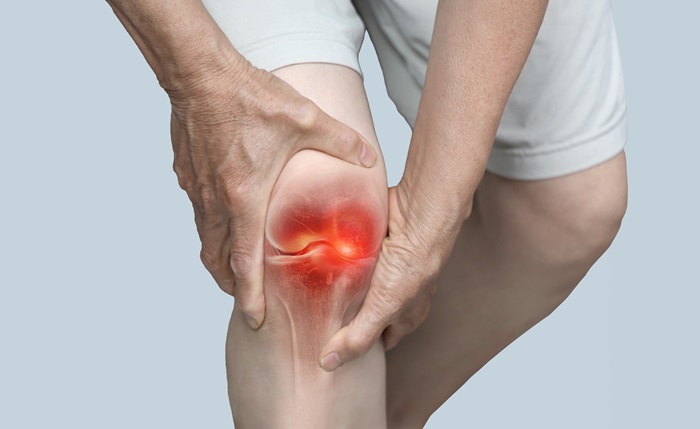
Tendinitis symptoms usually include pain and tenderness along a tendon near a joint. The discomfort often worsens with repeated movement, lifting, gripping, running, or reaching. Morning stiffness, nighttime pain, mild swelling, and reduced comfortable movement may also occur.
What Does Tendinitis Feel Like?
Tendons connect muscles to bones and transfer force during movement. When a tendon becomes irritated, pain is commonly felt near the joint rather than deep inside it.
The area may ache at rest and become sharper when the related muscle works. Shoulder pain may increase while reaching overhead. Elbow pain may appear during gripping. Achilles tendon pain may worsen while walking, running, or rising onto the toes.
MedlinePlus lists pain and tenderness along a tendon, pain at night, symptoms worsened by movement, and morning stiffness among common features.
| Location | Often aggravated by | Possible clue |
| Shoulder | Reaching or lifting | Painful overhead arc |
| Elbow | Gripping or twisting | Local outer or inner pain |
| Knee | Jumping or stairs | Pain near tendon attachment |
| Achilles | Running or toe rise | Morning heel stiffness |
Why Does Repetition Trigger Tendon Pain?
Tendons respond to workload, but rapid increases can exceed their current capacity. Starting a new sport, adding heavy sets, changing running distance, or repeating a work task for hours can trigger symptoms.
Overuse isn’t always about doing “too much” in total. Sometimes the hidden issue is too much too soon after a period of low activity. Changes in training routine adjustments should therefore be gradual rather than based on pain tolerance alone.
Technique, equipment, recovery time, muscle capacity, and previous injury may also influence tendon load. The exact contribution of each factor is uncertain without examining the specific person and activity.
How Is Tendinitis Different From Joint Arthritis?
Tendon pain is often concentrated along a tendon or where it attaches near bone. Arthritis more directly involves structures within a joint and may produce broader stiffness, swelling, or reduced movement.
The two can coexist. Bursitis, muscle injury, nerve irritation, ligament sprain, and tendon tears can also resemble tendinitis.
The MedlinePlus tendinitis overview explains that repeated injury can cause pain and soreness around joints such as the wrist or ankle.
What Information Helps During an Evaluation?
Write down the activity that started the problem, how quickly the workload changed, and which exact movement causes pain. Include swelling, weakness, morning stiffness, and any sudden popping sensation.
Use written recovery notes to compare how the tendon feels during activity, later that evening, and the following morning. Delayed worsening may reveal that a session exceeded the tendon’s current tolerance.
Keep stored care instructions from previous injuries so advice isn’t accidentally mixed between the shoulder, knee, elbow, or heel. Tendons in different locations may require different loading plans.
Where Tendon Recovery Commonly Goes Wrong
Complete rest for too long may reduce capacity without correcting the reason the tendon became overloaded. Yet pushing through sharp, escalating pain can prolong irritation. Both extremes miss the point.
Another mistake is stretching aggressively because the tendon “feels tight.” Forceful stretching can compress or irritate certain tendons depending on the location.
Pain relief also shouldn’t be treated as proof that the tendon is ready for full-speed sport. Strength, control, and tolerance to repeated loading need to return gradually.
Red Flags: When to Get Medical Help
Seek prompt care after a sudden pop followed by marked weakness, deformity, bruising, or inability to use the limb normally. These signs may indicate a significant tendon tear rather than routine overuse irritation.
Medical assessment is also appropriate for a hot, red, rapidly swelling area; fever; unexplained numbness; severe pain after injury; or inability to bear weight. Arrange an evaluation when symptoms persist, repeatedly return, or interfere with work, sleep, or ordinary movement.
Frequently Asked Questions
Can tendinitis hurt even when you’re resting?
Yes. Some people experience aching at rest or nighttime pain, particularly when the irritated area is compressed or symptoms have become more persistent.
Should you completely stop exercising with tendinitis?
Not always. Activity often needs modification, but the appropriate amount depends on the tendon, severity, possible tear, and functional demands. A clinician or physical therapist can guide progressive loading.
Is tendinitis the same as a torn tendon?
No. Tendinitis describes tendon irritation, while a tear involves disruption of tendon fibers. Sudden weakness, a pop, bruising, or loss of function requires prompt assessment.
Reduce Load Without Abandoning Movement
Identify the movement that repeatedly provokes pain and temporarily reduce its volume, speed, or resistance. Don’t keep retesting the tendon with maximal effort. Arrange an assessment when symptoms persist, and seek prompt care after a pop, major weakness, or sudden loss of function.
This article provides general education and is not a diagnosis or substitute for care from a qualified healthcare professional.