
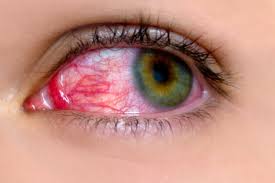
Conjunctivitis symptoms can include redness, itching, tearing, discharge, eyelid swelling, and a gritty feeling in one or both eyes. The cause may be viral, bacterial, allergic, or irritant-related. Because severe eye disorders can initially resemble pink eye, significant pain, light sensitivity, or lasting blurred vision shouldn’t be treated as routine conjunctivitis.
What Are the Main Symptoms of Conjunctivitis?
The white part of the eye may look pink or red as inflamed blood vessels become more visible. Eyelids can feel swollen or sticky, and discharge may collect along the lashes. Some people describe the sensation as sand trapped beneath the eyelid.
The CDC’s pink eye guidance lists redness, swelling, tearing, discharge, itching, and discomfort among common symptoms. The exact combination depends partly on the cause.
| Possible cause | Typical clues | Contagious? |
| Viral | Watery discharge, recent cold | Often |
| Bacterial | Thicker discharge, stuck lashes | Often |
| Allergic | Strong itching, both eyes | No |
| Irritant | Burning after exposure | No |
Is It Viral, Bacterial, or Allergic?
Viral conjunctivitis often produces watery eyes and may occur with a respiratory infection. It can begin in one eye and spread to the other. Bacterial cases may create thicker discharge that causes the eyelids to stick together, especially after sleep.
Allergic conjunctivitis usually causes pronounced itching and affects both eyes. Sneezing, nasal congestion, or seasonal exposure may occur at the same time. Reviewing healthy office practices may reveal exposure to shared surfaces, dust, ventilation irritants, or contagious coworkers, but those clues can’t confirm the cause.
Symptoms overlap considerably. Even clinicians may need the history and eye examination rather than discharge color alone to distinguish one form from another.
How Can Pink Eye Spread?
Viral and bacterial conjunctivitis may spread through hands, eye secretions, towels, pillowcases, cosmetics, contact-lens supplies, and frequently touched objects. Avoid rubbing the eyes, and wash your hands before and after applying any permitted eye treatment.
Don’t share makeup, washcloths, drops, or contact-lens equipment. During seasonal lifestyle updates, replace eye cosmetics that may have been contaminated and clean reusable items as directed. Allergic conjunctivitis, however, doesn’t pass from one person to another.
People shouldn’t use another person’s prescription eye drops. The wrong medicine may fail to treat the cause, introduce contamination, or create avoidable side effects.
What Can You Safely Do at Home?
A clean, cool compress may soothe irritation. Artificial tears may help rinse allergens or relieve dryness, provided the product is appropriate for you. Stop wearing contact lenses until symptoms resolve and an eye professional says they’re safe to resume.
Viral pink eye often improves without antibiotics. Antibiotics don’t treat viral or allergic causes. Decisions about appointments and medication can affect family expense planning, but delaying an examination based only on cost can be risky when vision changes or pain are present.
Follow professional instructions for bacterial cases and use any prescribed drops for the full directed period. Never touch the bottle tip to the eye, lashes, fingers, or countertop.
Common Errors That Irritate Eyes Further
Using “redness relief” drops repeatedly may mask redness without addressing the cause. Wearing contact lenses through active symptoms can increase irritation and may raise the risk of a more serious corneal problem.
Another mistake is assuming thick discharge proves that leftover antibiotic drops are appropriate. Eye medicines can expire or become contaminated. Warm compresses may help crusting, but a shared cloth can spread infection. Use a clean cloth each time and keep personal linens separate.
Red Flags: When to Get Medical Help
Seek urgent eye care for moderate or severe eye pain, marked light sensitivity, intense redness, injury, chemical exposure, or blurred vision that remains after discharge is wiped away. Contact-lens wearers with a painful red eye should be assessed promptly because corneal infection is possible.
Medical care is also appropriate when symptoms worsen, don’t improve, or occur in someone with a weakened immune system. A newborn with redness, swelling, or eye discharge requires immediate professional evaluation.
Frequently Asked Questions
Can conjunctivitis begin in only one eye?
Yes. Infectious conjunctivitis may start in one eye and later reach the other through hand contact or contaminated items.
Does yellow discharge always mean antibiotics are needed?
No. Discharge appearance alone can’t reliably determine the cause. An examination may be needed, especially when symptoms are severe or persistent.
When can contact lenses be worn again?
Wait until symptoms have cleared and follow guidance from an eye professional. Contaminated lenses, cases, or solutions may also need replacement.
Protect the Eye, Not Only Its Appearance
A mildly irritated eye may settle with careful hygiene and supportive care, but pain or vision changes alter the situation. Remove contact lenses, prevent cross-contamination, and arrange an examination when symptoms don’t fit simple pink eye. Sight deserves more caution than a wait-and-see guess.
This information is educational and does not replace diagnosis or treatment from a qualified healthcare professional.