
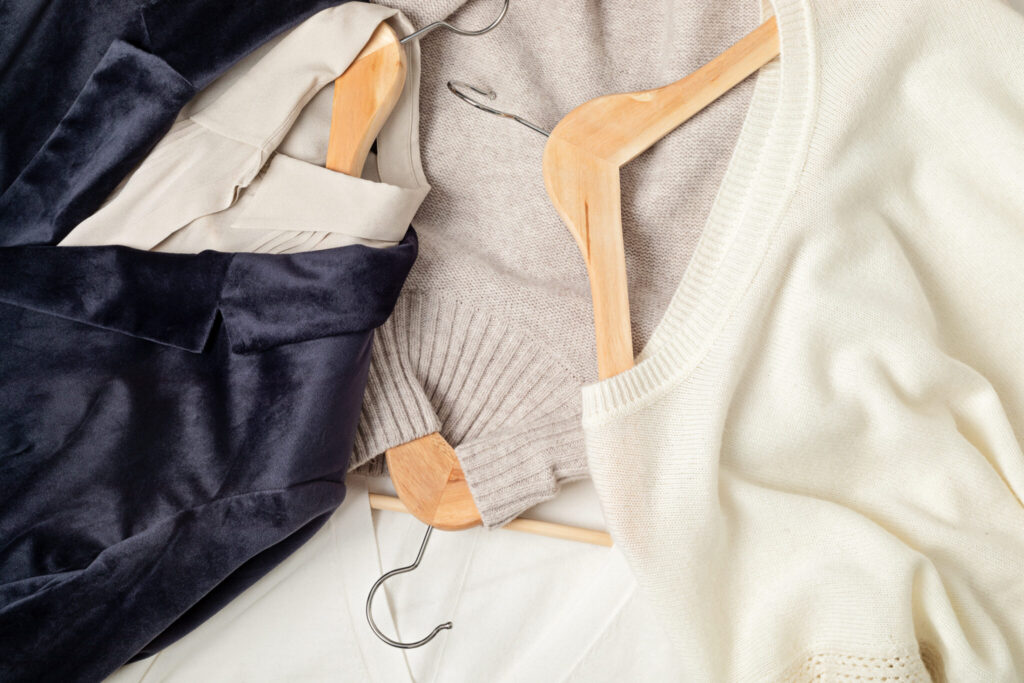
Most closets are not short on clothing; they are short on decisions that make sense at 7:18 on a busy Tuesday morning. That is why wardrobe basics matter so much for Americans trying to look pulled together without treating every outfit like a project. A clean closet is not about owning less for the sake of less. It is about owning the right pieces, in the right condition, with enough range to carry workdays, errands, dinners, travel days, and weekends without constant second-guessing.
The best everyday wardrobe does not scream for attention. It earns trust quietly. A white tee that sits right at the shoulder, denim that does not sag by lunch, a jacket that sharpens plain pants, shoes that do not fight the rest of the outfit — these are the pieces that save you from looking unfinished. For readers building a stronger personal style foundation, modern style guidance can help connect small wardrobe choices with a cleaner public image.
Clean outfits are not boring when the fit, fabric, and balance are right. They look calm because every piece has a reason to be there.
Start With the Pieces You Actually Reach For
A refined closet begins with honesty, not fantasy. Many people shop for the life they imagine while ignoring the one they live every week. A working parent in Ohio, a remote employee in Austin, and a teacher in New Jersey may all need wardrobe essentials, but not the same version of them. The smart move is to build around repeated situations first, then polish from there.
Why Your Real Week Should Decide Your Closet
Your calendar tells the truth faster than any style board. If you spend four days a week in casual office settings, your clean outfits need sharp jeans, easy trousers, breathable tops, and layers that do not wrinkle after one commute. If your week includes school runs, grocery stops, and client calls from home, your clothes need movement and structure at the same time.
A common mistake is buying too many “maybe” pieces. Maybe there will be a dinner. Maybe there will be a trip. Maybe the bold jacket will become your new thing. Sometimes it does. Often, it sits there while the same five items carry the week again.
A better test is simple. Ask whether a piece can serve at least three real moments in your month. A cotton button-down might work for casual Friday, a weekend lunch, and a flight. A shiny party top may only work once, then demand effort every time you look at it.
The Quiet Power of Repeatable Outfit Formulas
A repeatable formula is not a uniform. It is a reliable rhythm. Straight jeans, a fitted tee, loafers, and a soft blazer can shift from coffee meeting to dinner with one jewelry change. Wide-leg trousers, a fine knit, and clean sneakers can handle a casual office day without looking lazy.
Simple style works best when the formula leaves room for mood. You can change texture, color, shoes, or accessories while keeping the bones familiar. That is how people with great everyday wardrobe habits avoid decision fatigue without looking copied and pasted.
The counterintuitive truth is that repeating a strong outfit shape often makes you look more stylish, not less. People remember polish more than novelty. They notice when your clothes suit you, sit well, and make the day look easier than it was.
Fit and Fabric Matter More Than Quantity
Once the useful pieces are clear, quality control begins. A closet can be full and still fail if the fabric collapses, the shoulder seams drift, or the pants fight your body when you sit. American shoppers often chase more options because prices look friendly, but ten weak pieces rarely beat three that hold their shape.
How Fit Turns Plain Pieces Into Clean Outfits
Fit is the reason a basic black tee can look intentional instead of careless. The shoulder seam should land where your shoulder ends. The sleeve should not pull across the arm. The body should skim without clinging or hanging like a rectangle. These small details decide whether a simple piece reads as neat or neglected.
Pants deserve the same attention. A clean hem, a waistband that stays put, and enough room through the seat can change the whole mood of an outfit. A $40 pair of trousers with tailoring can look better than an expensive pair that bunches at the ankle.
One real-world example shows up in many U.S. offices with relaxed dress codes. Two people wear dark denim and a plain sweater. One looks ready for a meeting because the denim is hemmed and the sweater sits flat. The other looks rushed because the jeans puddle over sneakers and the sweater twists at the neckline.
Why Fabric Behavior Matters After the First Wear
Fabric has a memory. Some cotton tees twist after one wash. Some knits pill before the season ends. Some polyester blouses trap heat so badly that you stop wearing them by noon. The tag does not tell the whole story, but the hand feel, weight, stretch recovery, and wash behavior tell plenty.
Wardrobe essentials should survive normal life. They should handle car seats, office chairs, school pickup, weekend errands, and the occasional coffee splash without looking defeated. A piece that needs constant steaming, special storage, or emotional courage is not basic. It is a guest star.
The unexpected insight is that a slightly heavier fabric can feel easier than a thinner one. Light fabric sounds comfortable, but it often shows every line, wrinkle, and tug. A midweight tee, denim shirt, or cotton knit can create cleaner lines with less effort.
Build a Color Base That Makes Matching Easier
Clean dressing becomes easier when the closet speaks one color language. That does not mean beige everything. It means your base colors support each other so getting dressed feels natural. Navy, charcoal, white, cream, olive, camel, black, denim blue, and soft gray can all work, but not every closet needs all of them.
Pick Neutrals That Work With Your Life
Your best neutrals should match your climate, routine, and tolerance for maintenance. Someone in Phoenix may want lighter cotton, cream denim, tan sandals, and breathable shirts. Someone in Chicago may lean on charcoal coats, dark jeans, black boots, and thicker knits for months. Both can build clean outfits, but the palette should respect the place.
White can look sharp, but it is not always practical. Cream, oatmeal, stone, and soft gray often do the same work with less stress. Black can be powerful, but too much black in hot weather can feel harsh and heavy. Navy or deep brown may look calmer on some people.
Simple style improves when colors repeat across categories. A tan belt, camel jacket, beige sneaker sole, and cream shirt can make separate pieces feel related. The outfit looks planned even when it took five minutes.
Add Accent Colors Without Losing the Clean Look
Accent colors should act like seasoning, not the whole meal. A blue Oxford shirt, burgundy flats, forest green cardigan, or soft red scarf can give an everyday wardrobe some life without breaking its calm structure. The goal is not to avoid color. The goal is to control where it lands.
One strong method is to keep color near the face or in one smaller piece. A striped tee under a denim jacket feels easy. A bright bag with otherwise quiet clothes feels intentional. A loud top, loud shoe, loud bag, and loud jacket all at once can turn a clean outfit into visual noise.
A surprising benefit of a tighter color base is that shopping gets faster. You stop asking whether an item is cute in isolation and start asking whether it belongs with what you already own. That question saves money, space, and plenty of regret.
Finish With Layers, Shoes, and Small Details
The final step is where a basic outfit becomes a finished one. Layers, shoes, belts, bags, jewelry, and grooming details do not need to be fancy. They need to agree with the outfit. A clean look can fall apart when the shoes are tired, the bag is too casual, or the jacket belongs to another style story.
Why Layers Give Basic Outfits Shape
Layers create structure when the base is simple. A denim jacket sharpens a white tee. A trench coat gives jeans a cleaner line. A cardigan softens trousers without making them feel stiff. A blazer can lift a plain tank and straight pants into something dinner-ready.
The trick is choosing layers that match your daily pressure points. A commuter in Boston may need a coat that looks good over work clothes and weekend denim. A Florida homeowner may need light overshirts and linen layers that add polish without heat. Climate is not a side note. It decides whether the layer earns its space.
Wardrobe basics become more useful when every layer has a clear job. One jacket adds polish. One sweater adds warmth. One overshirt adds casual shape. When layers overlap too much, the closet starts feeling crowded again.
Shoes and Accessories Decide the Final Message
Shoes tell the truth about an outfit. Clean sneakers make a casual look feel current. Loafers sharpen denim. Ankle boots bring weight to fall outfits. Simple sandals can keep summer clothes calm without looking unfinished. Worn-out shoes, though, can drag down even the best-fitting clothes.
Accessories work the same way. A belt should look like it belongs with the shoes or bag, even if it does not match exactly. Jewelry should support the outfit’s mood. A plain watch, small hoops, a clean tote, or a leather crossbody can make everyday clothing feel more settled.
The counterintuitive move is to buy fewer accessories, but better aligned ones. A single neat black belt, one warm brown belt, one everyday bag, and two shoe styles can do more than a drawer packed with pieces that only work once in a while.
Conclusion
A clean closet is built through choices that respect your real life. The goal is not to strip away personality or dress like everyone else. The goal is to remove the friction that keeps you from looking like yourself on a normal day. Clothes should support your schedule, your body, your climate, and your confidence without demanding constant attention.
The strongest wardrobes are not built in one shopping trip. They are edited over time. You notice which jeans you reach for twice a week. You admit which tops never feel right. You replace the weak pieces slowly and stop rewarding clothes that only look good on hangers. That is where wardrobe basics become personal instead of generic.
Start with one section of your closet this week. Pull out what fits, what works, and what keeps earning its place. Then build from there with patience, standards, and a clear eye. A refined outfit begins long before you get dressed.
Frequently Asked Questions
What are the best wardrobe essentials for clean everyday outfits?
Start with pieces you can wear often without feeling underdressed: quality tees, straight-leg jeans, tailored trousers, a button-down shirt, a light sweater, clean sneakers, loafers, and one polished jacket. Fit matters more than owning every classic item on someone else’s checklist.
How many basic clothing pieces should a simple closet have?
Most people can build a strong daily closet with 25 to 40 well-chosen pieces, not counting workout clothes, formalwear, or weather gear. The right number depends on laundry habits, work setting, climate, and how much outfit variety you enjoy.
What colors make everyday outfits look cleaner?
Neutrals such as white, cream, navy, gray, black, camel, olive, and denim blue usually create the cleanest base. Choose three or four that flatter you and repeat them across tops, bottoms, shoes, and layers so outfits connect with less effort.
How can I look polished in casual clothes?
Focus on fit, fabric, shoes, and condition. A casual outfit looks polished when the tee is not stretched, the jeans sit cleanly, the shoes are fresh, and one layer adds shape. Small upgrades often matter more than dressier clothing.
What should I remove from my closet first?
Remove pieces that do not fit, feel uncomfortable, show damage, or only work with one hard-to-style item. Also set aside clothes tied to guilt, such as expensive purchases you never wear. A cleaner closet starts by making weak options less available.
Are neutral outfits boring for daily wear?
Neutral outfits become boring when texture, shape, and fit are ignored. A cream knit, dark denim, leather belt, and suede loafer can look rich without bright color. Interest comes from balance, not from adding louder pieces every time.
How do I build a refined wardrobe on a budget?
Buy slowly and upgrade the pieces you wear most. Start with better tees, denim, shoes, and one strong layer before spending on trend pieces. Tailoring, shoe care, and smarter color choices can also make affordable clothing look more expensive.
What is the easiest outfit formula for busy mornings?
A reliable formula is straight jeans or trousers, a clean tee or knit top, one structured layer, and polished shoes. Keep accessories simple and consistent. When the base pieces fit well, the outfit feels intentional without needing extra planning.